Our Range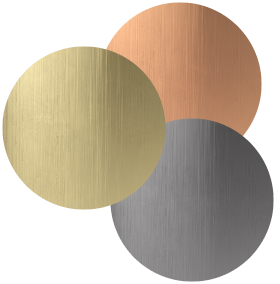







What Is PVD Coating, And Why Does It Matter?
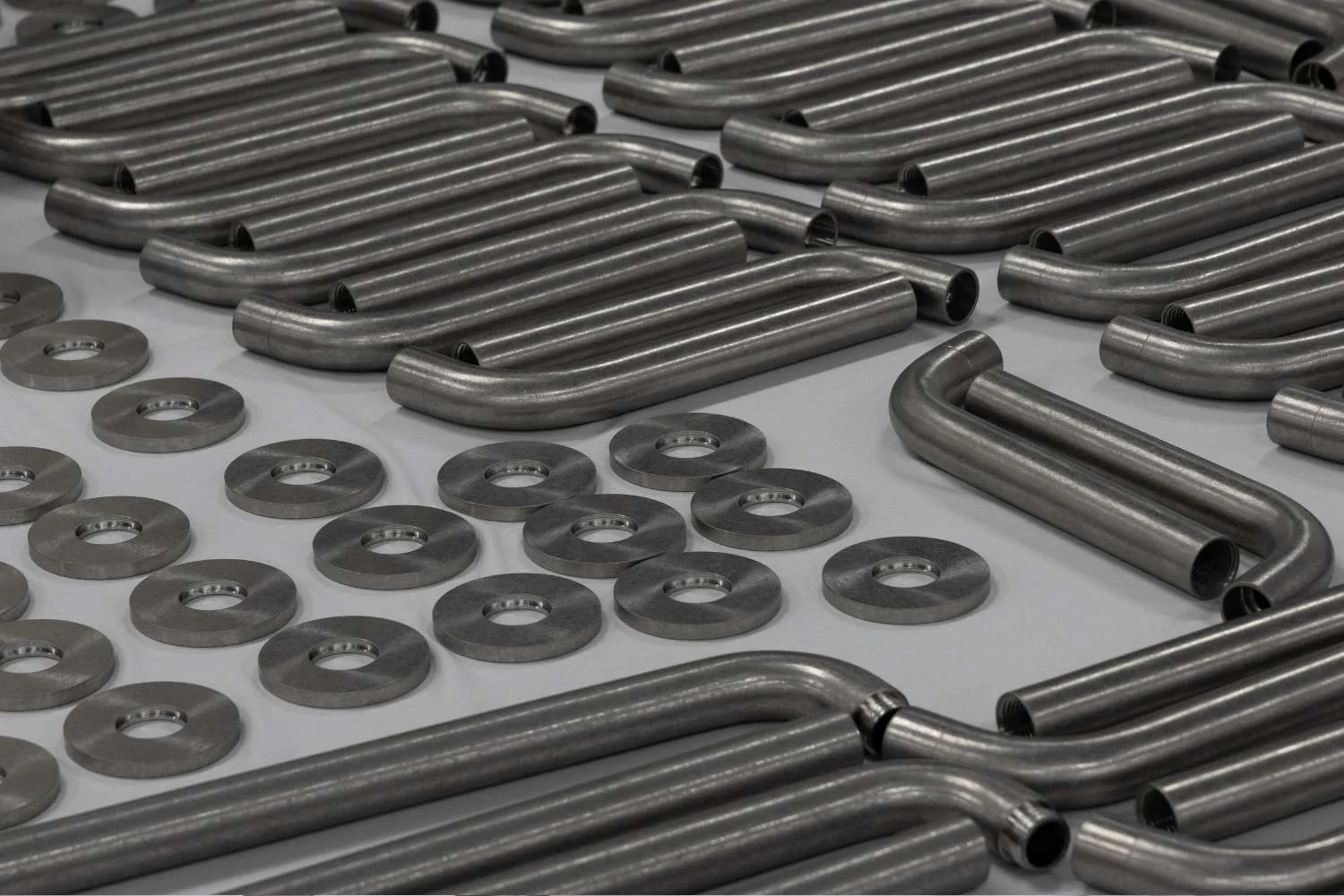
The choice of taps, showers, and cabinet handles often begins with finish. Colour shapes the mood of a space, and it’s where most of the attention naturally falls. What receives far less consideration is the technology behind the finish itself; how it’s applied, how it bonds to the surface, and how well it performs over years of daily use.
PVD coating has established itself as the technology of choice for premium taps, fittings, and hardware. It delivers a harder, more durable finish than conventional plating or coating methods, with greater colour consistency and a lower environmental impact.
We explore what PVD coating is, how it works, and why it matters when specifying fittings for your next renovation or project.
What Is PVD Coating?
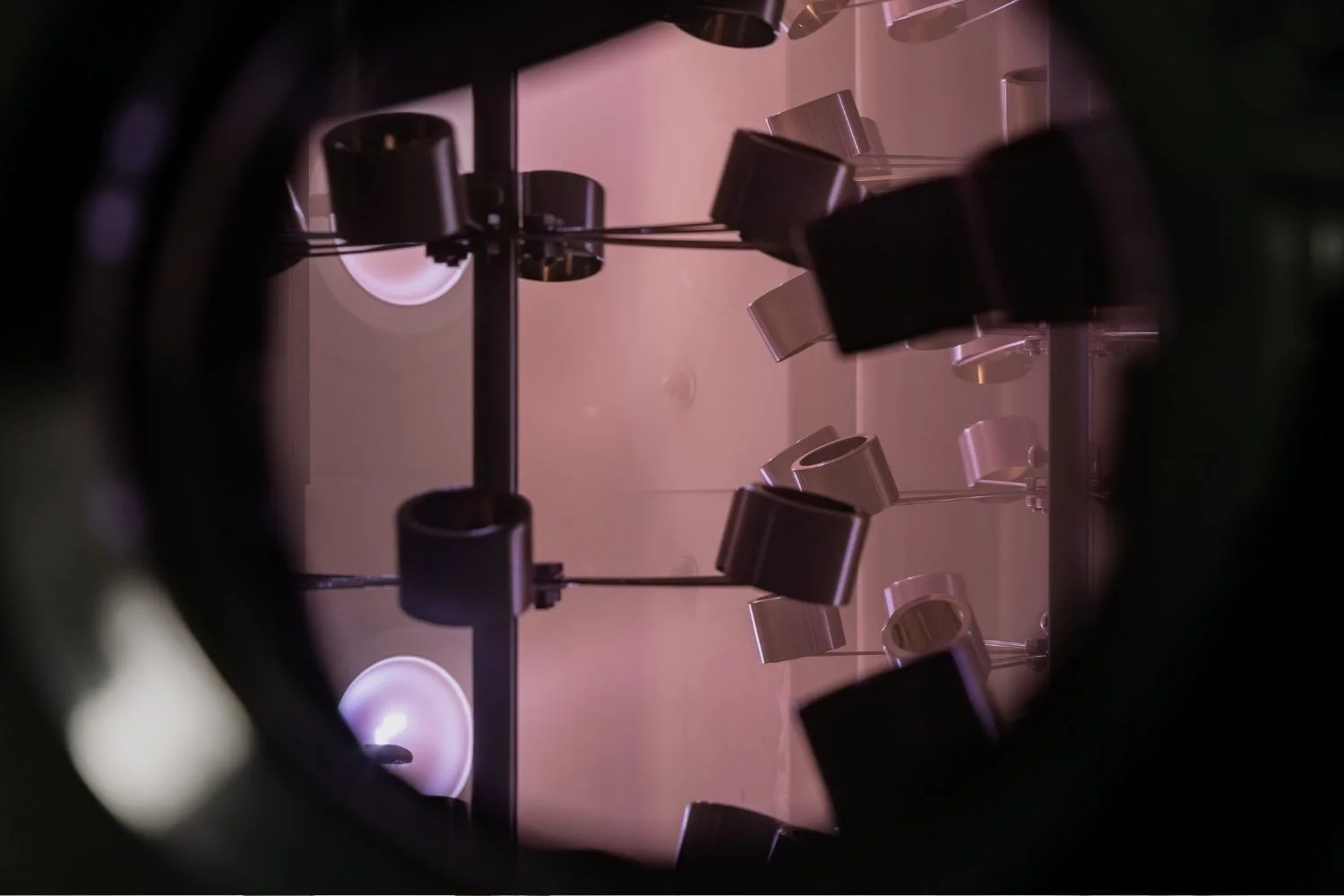
PVD stands for Physical Vapour Deposition. It's an advanced coating process in which a thin layer of metallic compounds, typically nitrides or carbides, is deposited directly onto a product's surface at a molecular level, bonding with it to create a finish that is harder and more resistant than a conventional paint or plating application.
The key distinction is the strength of the bond itself. Rather than sitting as a loose layer on the surface like traditional paint, the vaporised PVD coating material condenses directly onto the product in a controlled vacuum environment, forming an exceptionally thin, ultra-dense coating that integrates with the underlying base material, ensuring it won’t chip, peel, or flake off.
The result is a finish with improved surface hardness, greater resistance to scratching and corrosion, and colour consistency that holds over time. In kitchens, bathrooms, and outdoor spaces where fixtures are exposed to water and everyday wear, those qualities make a meaningful difference.
Why Is PVD Used In Premium Tapware and Hardware?
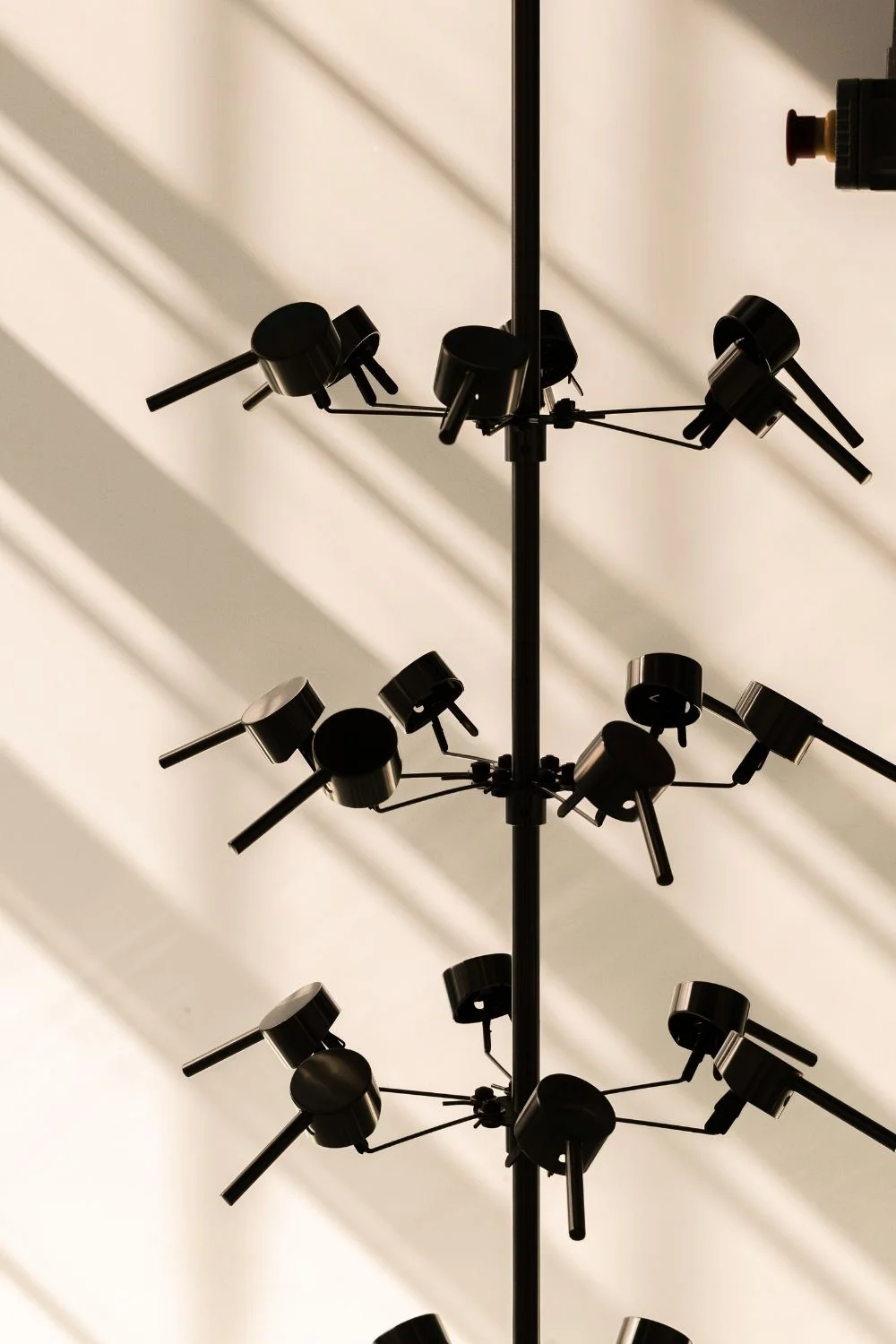
Taps and brassware are subject to some of the most demanding conditions in the home. Bathroom taps are constantly exposed to water, soap, and cleaning products. Utility and kitchen taps are touched dozens of times a day, often with wet or greasy hands, while cabinet handles and door hardware accumulate years of contact with skin, moisture, and cleaning cloths. In these conditions, a finish needs to do more than look good. It needs to maintain its appearance over time, resist tarnishing, retain its colour, and defend against the kind of surface degradation that causes cheaper finishes to discolour.
PVD coating is particularly well-suited to these conditions. Unlike paint or standard electroplating, which sit on the surface, the metallic layer fuses directly to the base material of the fitting. This makes it significantly more resistant to the kind of wear that high-touch surfaces accumulate over their lifespan. As a result, PVD finishes are used across bathroom taps, showers, cabinet handles, accessories, and outdoor taps, where the combination of aesthetic quality and long-term durability is a priority.
How Durable Is PVD Coating?
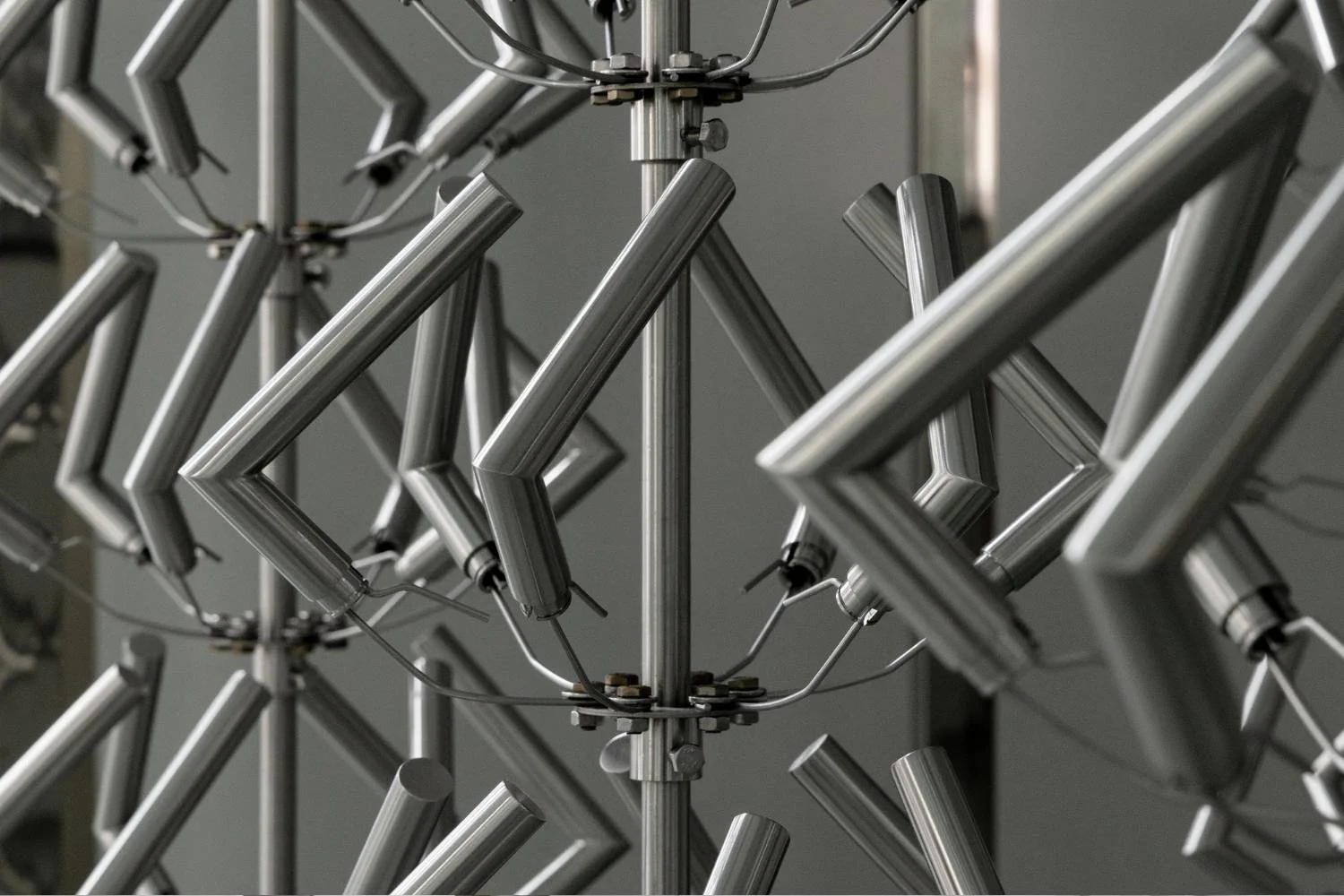
PVD-coated surfaces are significantly harder than most conventional finishing technologies. PVD is applied to both brass and stainless steel, depending on the product, and in both cases it substantially hardens the surface, with stainless steel offering an additional degree of inherent hardness and corrosion resistance.
No finish is entirely impervious to wear, but PVD offers considerably greater resistance than standard electroplated or painted alternatives, particularly in high-use areas where fittings are handled daily and exposed to water and cleaning products over time.
At ABI Interiors, durability is engineered into every product from the outset. Testing involves robotic arms simulating tens of thousands of usage cycles, along with abrasive testing to assess finish performance over time. The process works backwards from how a product will be used across its warranty period, then designs it to outlast that benchmark.
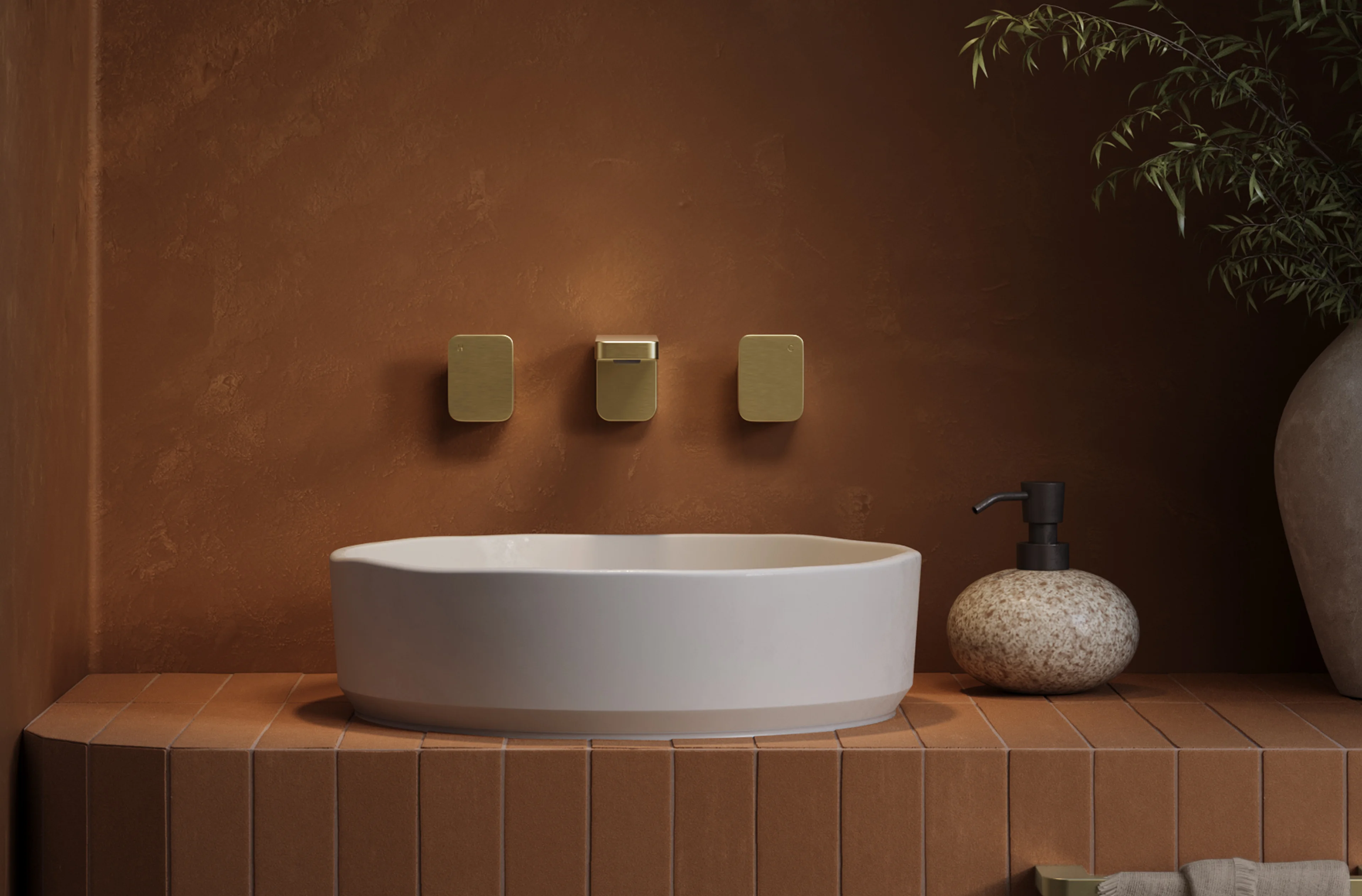
Two PVD finishes that demonstrate this are brushed nickel and brushed brass. Brushed nickel offers a cooler, softer tone suited to contemporary interiors, with a satin quality that sits comfortably alongside natural materials. Brushed brass delivers a warmer, more characterful look. Both are protected by the same underlying technology and benefit from its hardness.
Will PVD Coating Scratch or Tarnish Over Time?
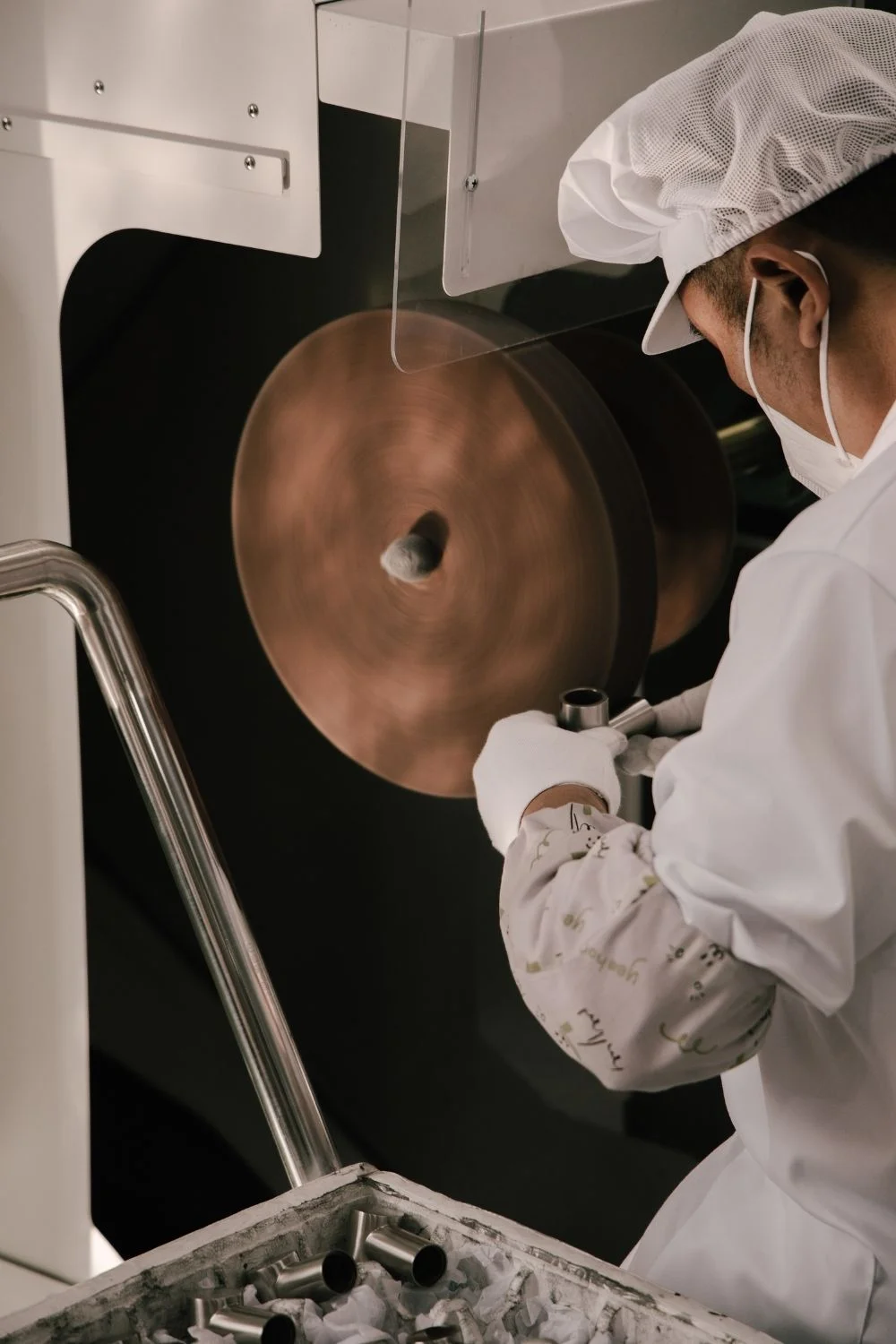
All finishes experience some degree of wear over time, and PVD is no exception. What sets it apart is the degree of resistance it offers compared to standard alternatives. PVD-coated products are considerably more resistant to both scratching and tarnishing than conventional electroplated finishes, which sit on the surface rather than bonding to it.
In everyday residential use, a well-maintained PVD-coated fixture should hold its appearance for many years without noticeable degradation. Proper care is straightforward: wipe with a soft cloth, use non-abrasive cleaners, and avoid harsh chemicals or abrasive materials that could compromise the surface over time.
How PVD Affects Colour and Finish
One of the qualities that sets PVD finishes apart visually is depth. This is because the metallic coating condenses directly onto the product in a controlled vacuum environment, producing a finish with a richness and consistency that's difficult to replicate with conventional methods. Colours appear more saturated. Metallic tones carry a softness and dimensional quality that is genuinely refined rather than artificially bright. This is especially apparent in warmer finishes, where PVD produces tones that feel composed rather than synthetic. A few examples across ABI's range:
Brushed Brass: warm and luminous without veering into overly shiny or decorative territory.
Antique Aurum: a warm, organic finish with a matte, aged quality and enduring elegance, achieved through ABI's three-step tumbling and PVD process. Available across antique brass tapware and antique brass door handles.
Antique Bronze: a rich, reddish-brown finish with warm undertones and subtle surface variations, achieved through a combination of tumbling and PVD coating. Available across antique bronze door hardware and antique bronze tapware.
Brushed Copper: radiant and earthy, with a vintage charm that brings lively character to bathrooms and kitchens. Available across brushed copper tapware and brushed copper door handles.
Brushed Gunmetal: a dark, metallic charcoal finish with fine directional brushing that feels precise and architectural, suited to contemporary and industrial interiors. Available across brushed gunmetal tapware and brushed gunmetal sinks.
How ABI Interiors Applies PVD Across Its Range
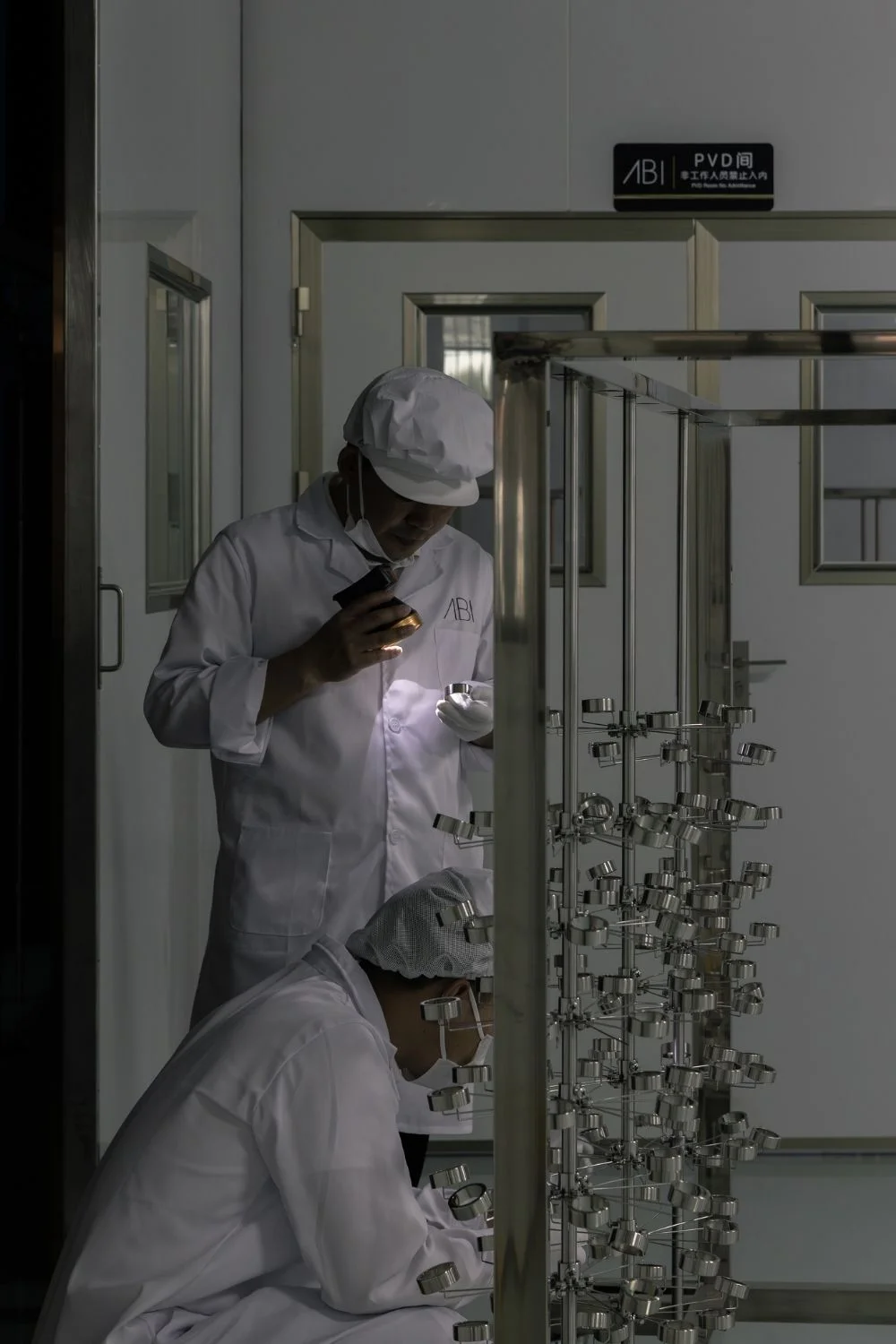
ABI Interiors made the decision to bring PVD processing in-house, giving greater control over every stage of the finishing process, from managing environmental factors such as dust and humidity to detailed quality monitoring throughout production. The result is finishes with greater consistency and a higher standard of quality assurance than is possible with outsourced processing.
This in-house capability has also opened up finish possibilities that weren't previously available, expanding what can be achieved across ABI Interiors' growing range. These finishes are created by first tumbling the base material to develop an aged, textured surface, then applying a PVD coating to protect and preserve that character. It's a finish that feels discovered rather than manufactured, representing one of the clearest examples of what becomes possible when finish technology and design intent are developed together.
How Does PVD Compare To Other Finish Technologies?
PVD is often compared to three conventional alternatives: electroplating application, powder coating, and painted finishes. Each has its place, but the differences in performance and longevity are meaningful.
Standard electroplating deposits a metallic layer onto a surface through an electrochemical process. It's widely used and capable of producing attractive finishes, but the bonding is less robust than PVD. This is because the coating sits on the surface rather than integrating with it, making it more susceptible to wear, chipping, and corrosion over time. PVD coating offers improved resistance across all of these dimensions.
Powder coating applies a dry powder electrostatically, then cures under heat, producing a thick, durable finish well-suited to outdoor furniture and architectural metalwork. In tapware and fixtures, however, the aesthetic range is more limited, and the finish quality doesn't approach what PVD can achieve in terms of metallic depth and refinement.
Painted finishes are generally the least durable of the three alternatives in high-use residential contexts. They can look excellent initially but are vulnerable to chipping, fading, and wear, particularly in wet environments.
It's also worth noting that PVD is more environmentally responsible than traditional electroplating. The process produces minimal waste and avoids the harsh chemical baths required by standard electroplating. This is a meaningful advantage, as manufacturers and consumers increasingly pay closer attention to the environmental footprint of the products they specify.
| Finish Technology | Durability | Scratch Resistance | Colour Longevity | Surface Appearance | Environmental Impact | Common Use Cases |
| PVD | Very high | Very high | Excellent | Rich, refined metallic depth | Lower-impact process with minimal waste | Premium tapware, hardware, showers, outdoor fixtures |
| Electroplating | Moderate | Moderate | Can fade or wear over time | Smooth metallic finish | Higher chemical usage during processing | Standard tapware and hardware |
| Powder Coating | High | Good | Good | Matte or solid-colour appearance | Generally efficient with low material waste | Outdoor furniture, architectural metalwork |
| Painted Finishes | Low to moderate | Lower resistance to chipping and wear | More prone to fading | Wide colour flexibility | Varies depending on paint system | Decorative fixtures and lower-use applications |
While each finish technology has its place, PVD stands apart in high-use residential environments where long-term durability, colour consistency, and resistance to wear are priorities. This is why it has become the preferred finish technology across premium tapware, hardware, and architectural fittings.
Is PVD Worth The Investment?
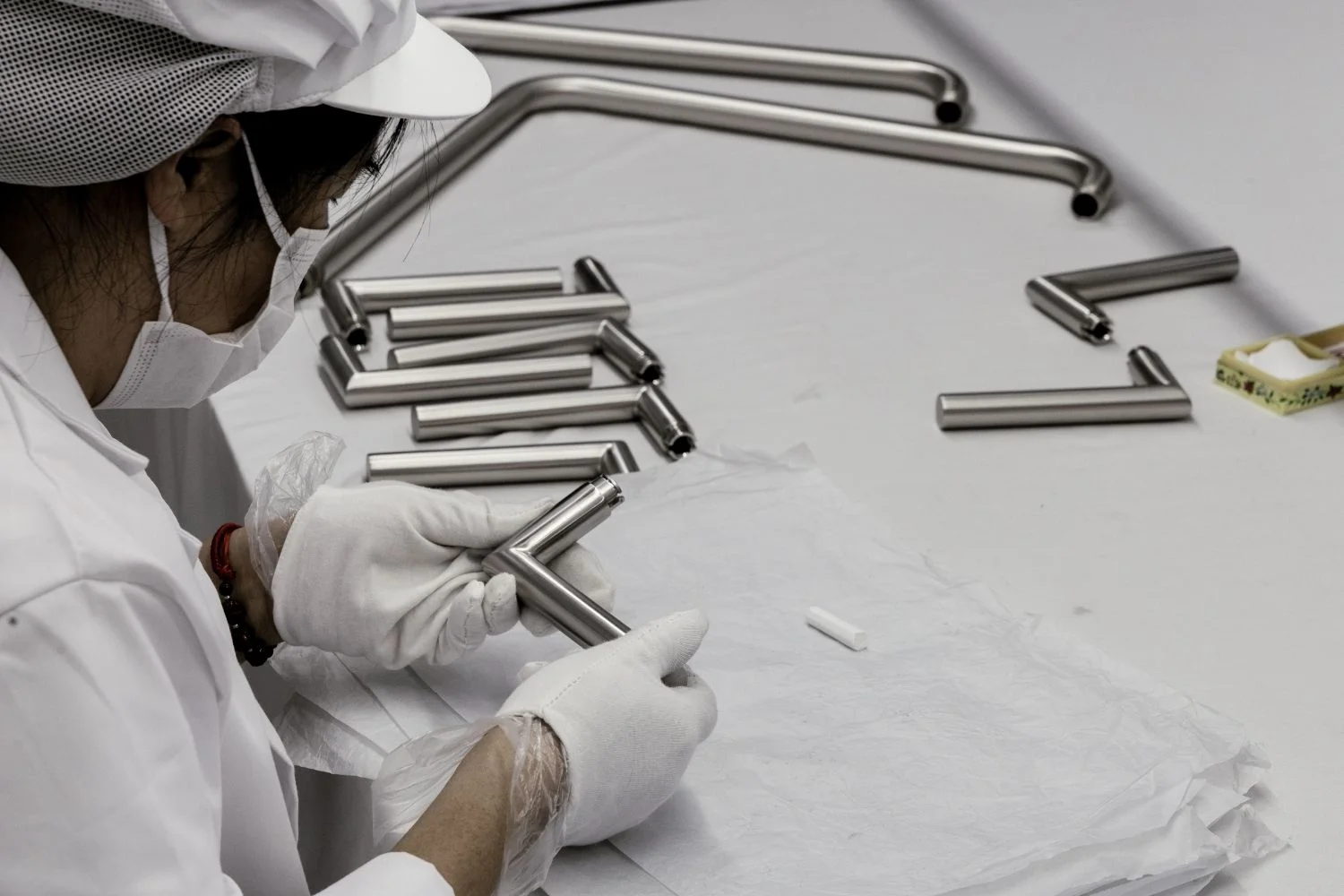
In areas that face the heaviest daily demands, such as kitchens, bathrooms, and outdoor areas, the benefits are evident. A finish that resists wear, maintains its appearance, and doesn't require early replacement pays for any premium over its lifespan.
The most sustainable tapware is one built to last. PVD is central to that philosophy: a finish technology chosen not just for how it looks but for how well it performs across years.
When specifying fittings for a renovation, finish technology is rarely top of mind, but it's often what determines whether the result holds up over time. PVD improves durability, longevity, and the overall depth and quality of the finish. Understanding it helps you make a more informed choice: one that looks right today and continues to perform for years to come.
For further inspiration, explore these blogs:
Gunmetal vs Brushed Nickel: Which Finish Is Best for Your Bathroom or Kitchen Fixtures?
A Guide to Choosing Coloured Tapware
Brass vs Stainless Steel Tapware: Which is the Best Choice for Your Home