Our Range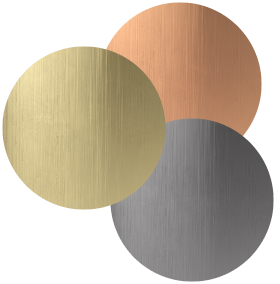








What Is Engineered Timber Flooring? Pros, Cons, and What to Know Before Choosing
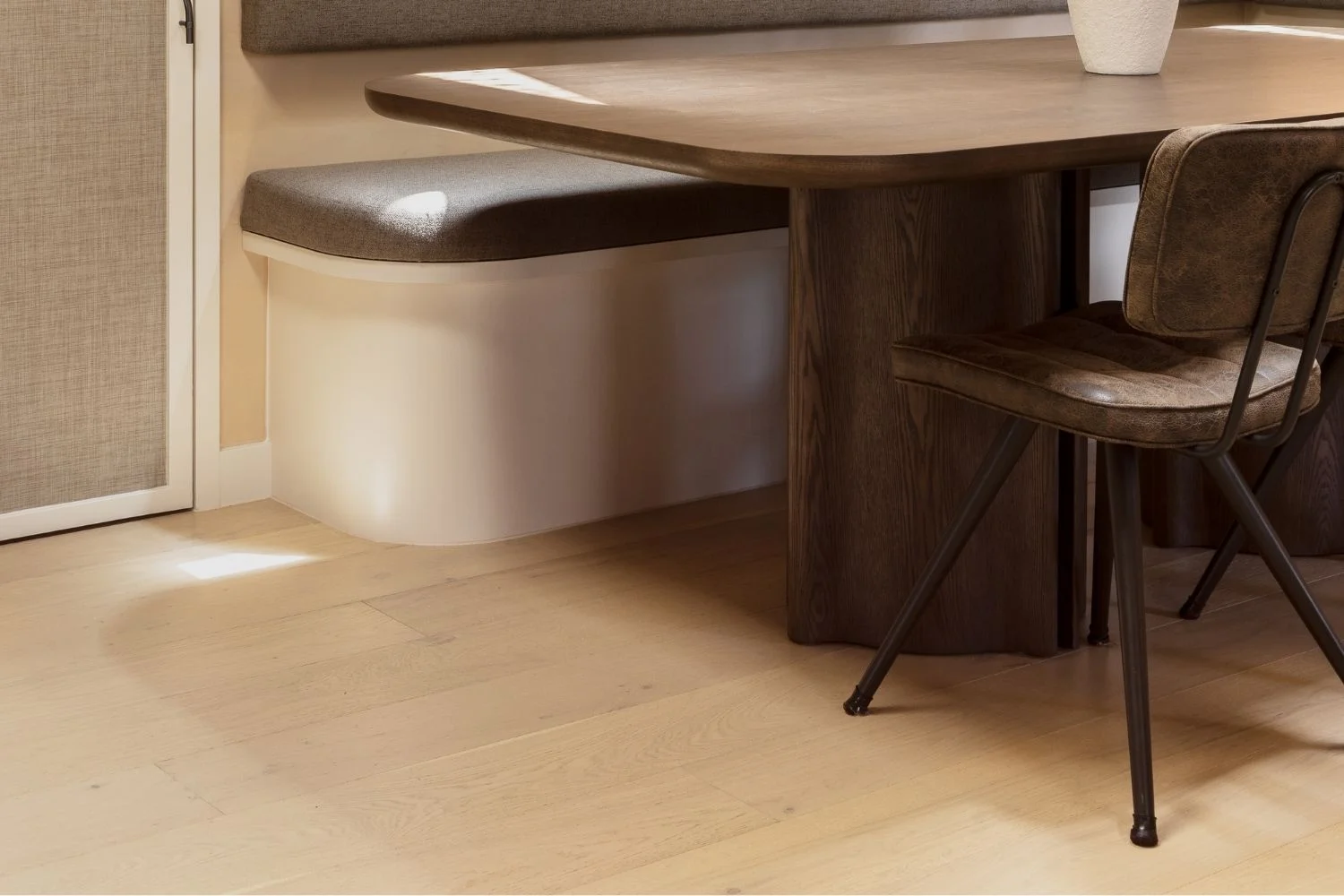
Engineered timber flooring combines the character and warmth of real wood with a construction designed for long-term stability. Constructed from a real timber veneer, it holds up well in varied conditions, including spaces where solid wood may be prone to movement or moisture.
With so many flooring types on the market, understanding what makes engineered timber different is key. This guide explains how it's constructed, considers the engineered timber flooring pros and cons, which rooms it suits best, and how to style it with complementary materials and finishes. Whether you're renovating or building new, this guide will help you make confident choices.
What is Engineered Timber Flooring?
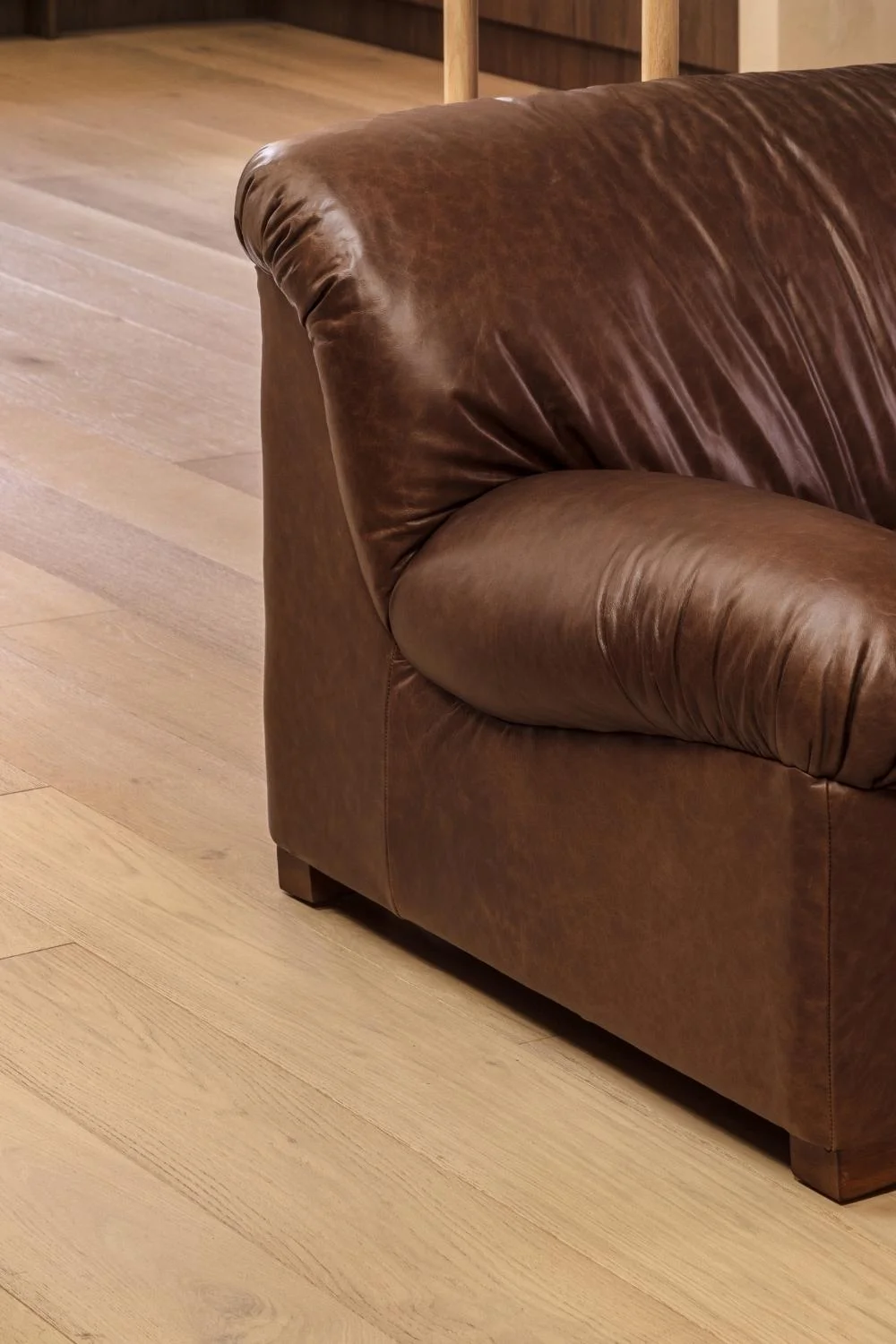
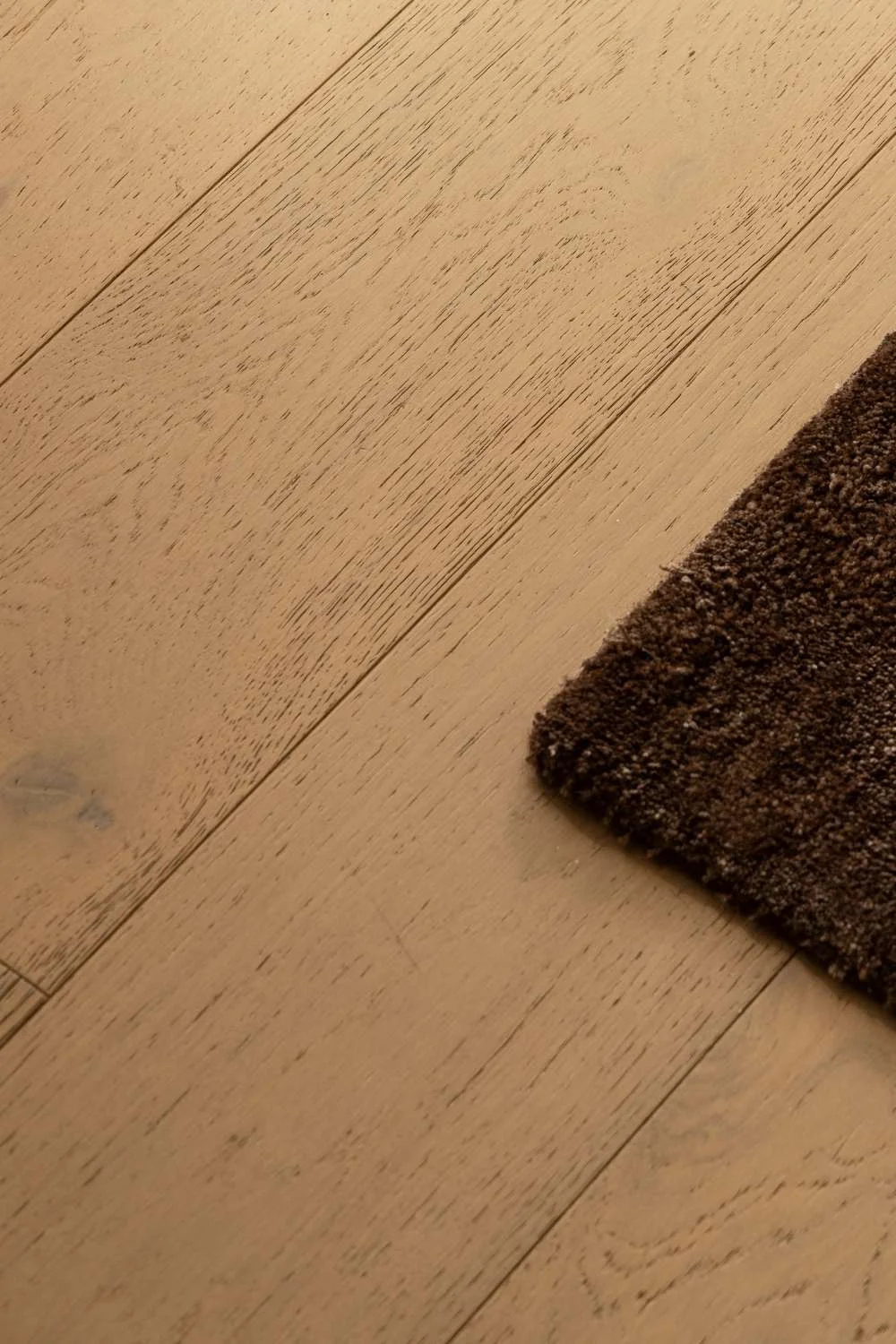
Engineered timber flooring is a real wood flooring solution that combines the natural beauty of solid timber with a construction engineered for greater stability. Rather than being hewn from a single piece of wood, it is built from multiple layers, significantly reducing the risk of warping and shifting that traditional hardwood floors can be prone to.
This makes it well-suited to settings with underfloor heating, concrete subfloors, or the seasonal humidity shifts common in UK homes. It can be floated, glued, or mechanically fixed depending on the subfloor type, offering flexibility across different room layouts and installation requirements.
How Engineered Timber Flooring Is Made
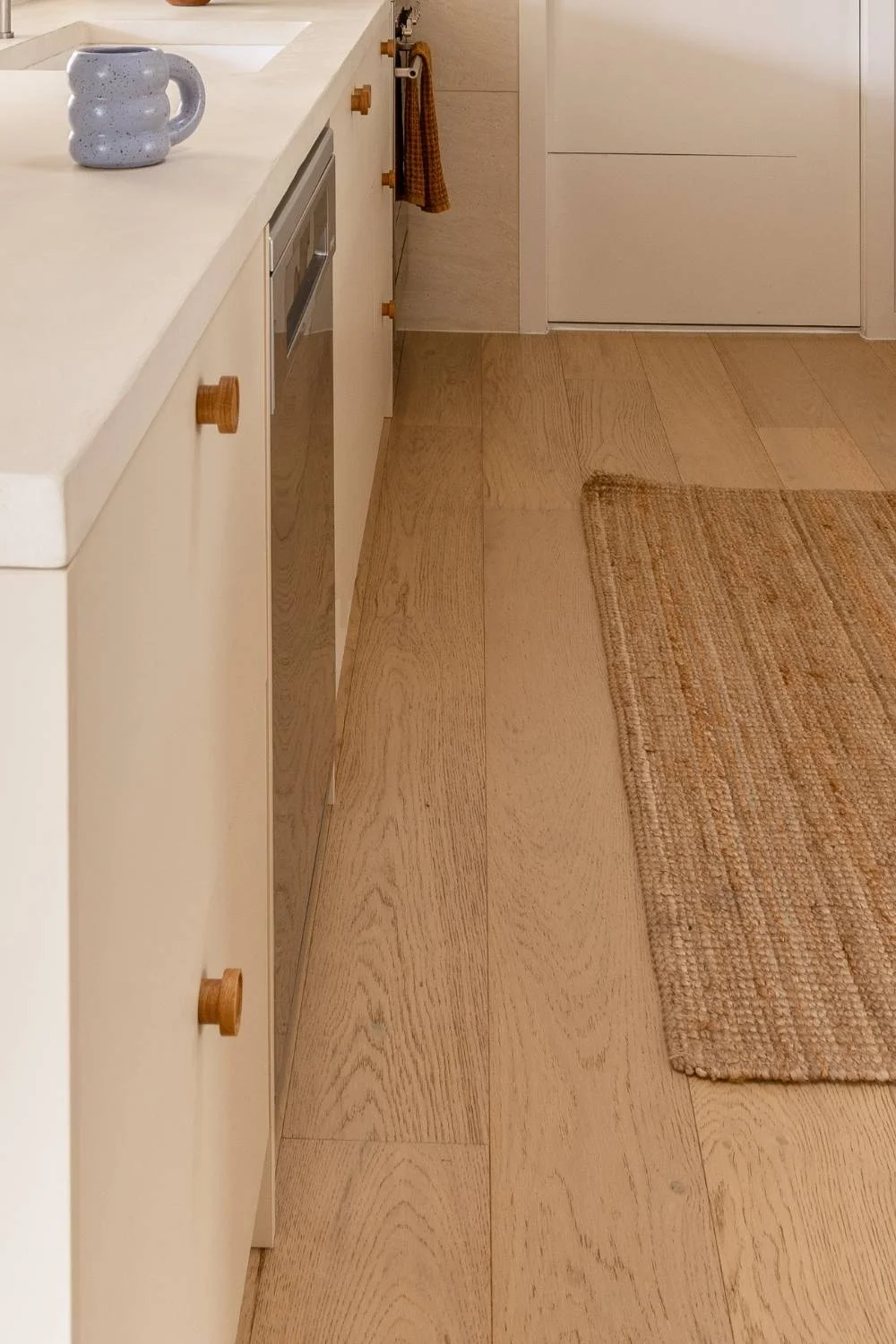
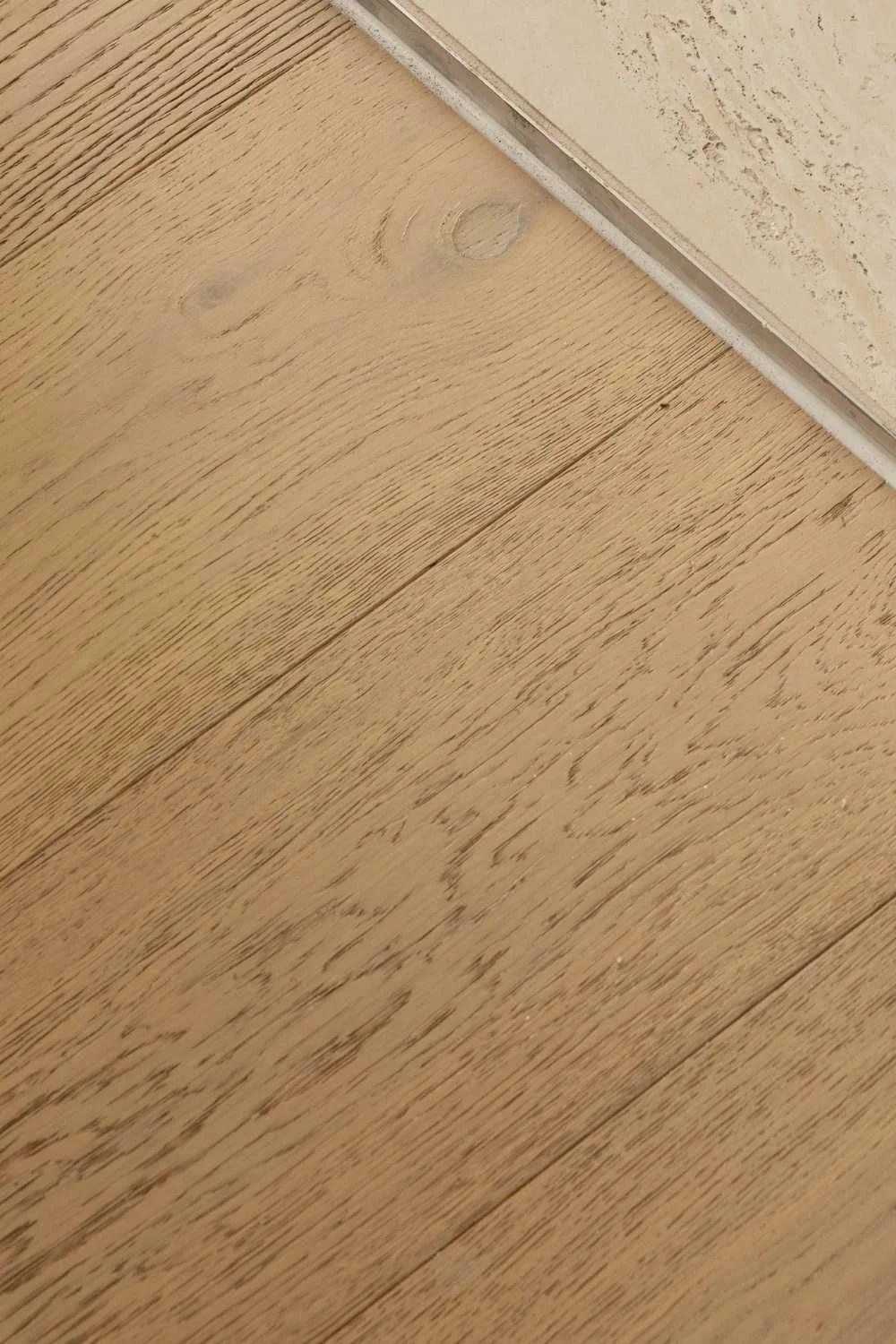
The construction of engineered timber flooring begins with a core of several layers of plywood or high-density boards, bonded together at alternating angles. This cross-layered structure provides strength and dimensional stability.
The surface layer is a veneer of genuine hardwood, typically 2mm to 6mm thick, providing the natural beauty, grain and texture of solid timber. A thicker veneer allows sanding and refinishing over time, while the engineered core ensures consistent performance across underfloor heating systems, concrete subfloors and varying humidity levels.
Oak is the most popular choice for this veneer, and engineered oak timber flooring is widely favoured across UK homes for its warm tones, distinctive grain and adaptability to both contemporary and traditional interiors.
Engineered Timber Flooring vs Solid Timber
Choosing between engineered and solid timber flooring often comes down to stability versus longevity. Here are the key factors to consider.
| Engineered Timber | Solid Timber |
| More stable | Can expand/contract |
| Easier installation | More complex install |
| Cost-effective | Premium cost |
| Limited refinishing | Can be refinished multiple times |
Engineered Timber Flooring Pros and Cons
Like any flooring option, engineered timber has its own strengths and drawbacks. Here's what to consider before making your decision.
Pros
Greater stability
Engineered timber's cross-layered construction significantly reduces the risk of warping and movement, making it far more stable than solid hardwood in homes with seasonal humidity shifts.
Suitable for more environments
Unlike solid timber, engineered flooring performs well over concrete subfloors and with underfloor heating systems, broadening where it can be installed throughout the home.
Easier installation
Engineered timber can be floated, glued or nailed down, offering more flexibility during installation and often reducing both time and labour costs.
More cost-effective than solid timber
While it delivers a comparable look and feel, engineered timber typically costs less than solid hardwood without compromising on quality or appearance.
Cons
Limited sanding and refinishing
Engineered timber can be sanded and refinished, but the number of times depends on the thickness of the veneer layer. Thinner veneers may only withstand one or two refinishes over their lifespan.
Quality varies by manufacturer
Not all engineered flooring is created equal. The quality of the core layers, surface veneer and bonding can vary widely, so sourcing from a reputable manufacturer makes a real difference.
Can be more expensive than laminate
Engineered timber sits at a higher price point than laminate or hybrid flooring, though it remains more affordable than solid hardwood.
Requires proper installation
For engineered timber to perform as intended, correct installation is essential. This includes thorough subfloor preparation, accurate moisture assessment and adequate expansion gaps. Poor installation can lead to lasting issues.
Best Engineered Timber Flooring for Different Spaces
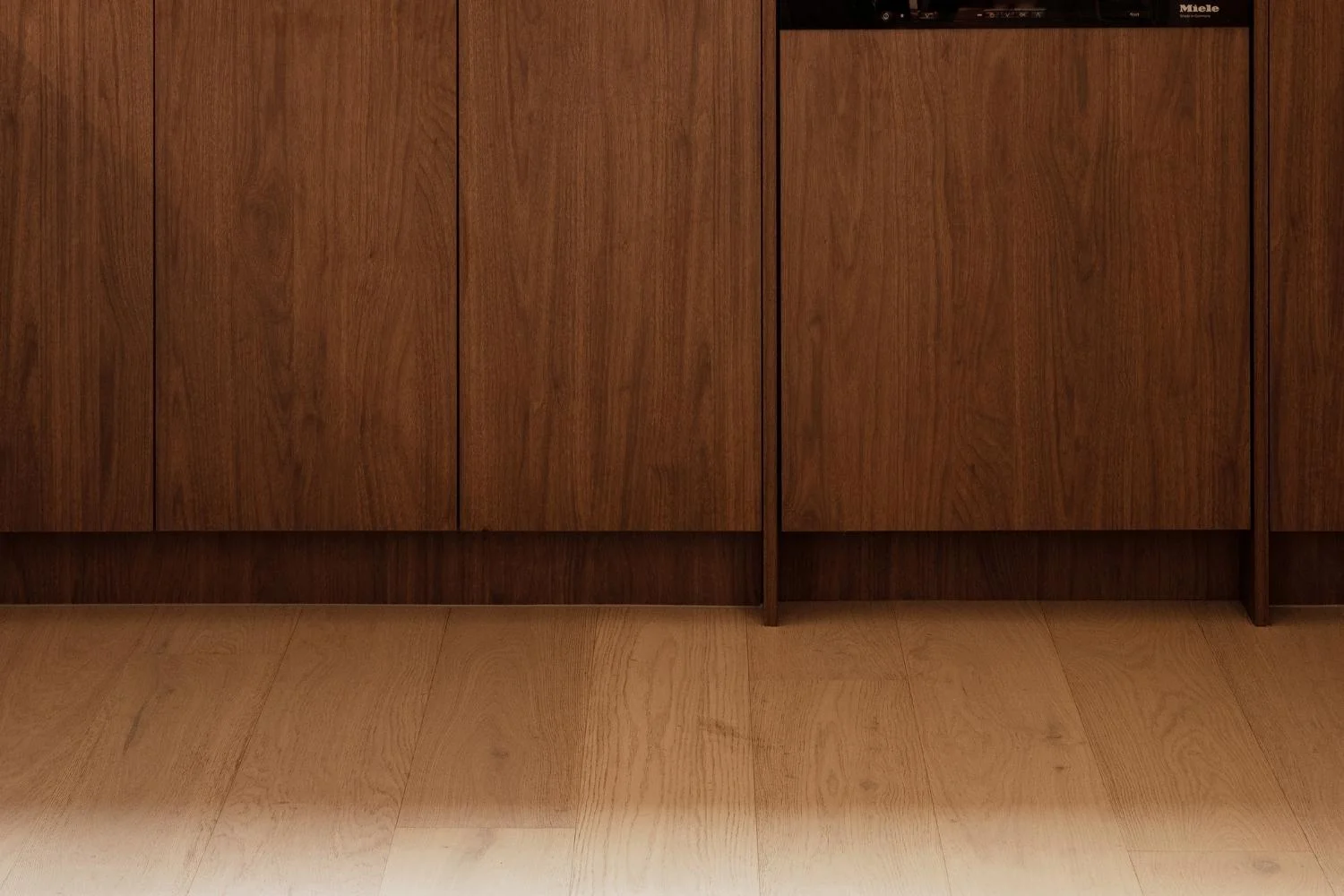
Selecting the best engineered timber flooring means considering how each room in your home will be used day to day. Here’s how it performs across key spaces.
Living Areas
Engineered timber is well-suited to living rooms, delivering the warmth and character of real hardwood while resisting everyday foot traffic.
Kitchens
Engineered timber can be used in kitchens, but moisture management is an important consideration. A lacquered or sealed finish, along with prompt cleanup of any spills, will help preserve the surface over time.
Bedrooms
Softer and warmer underfoot than tiles or stone, engineered timber brings a sense of comfort and calm to bedrooms, making it a popular choice for private, restful spaces.
Ways to Style Engineered Timber Flooring
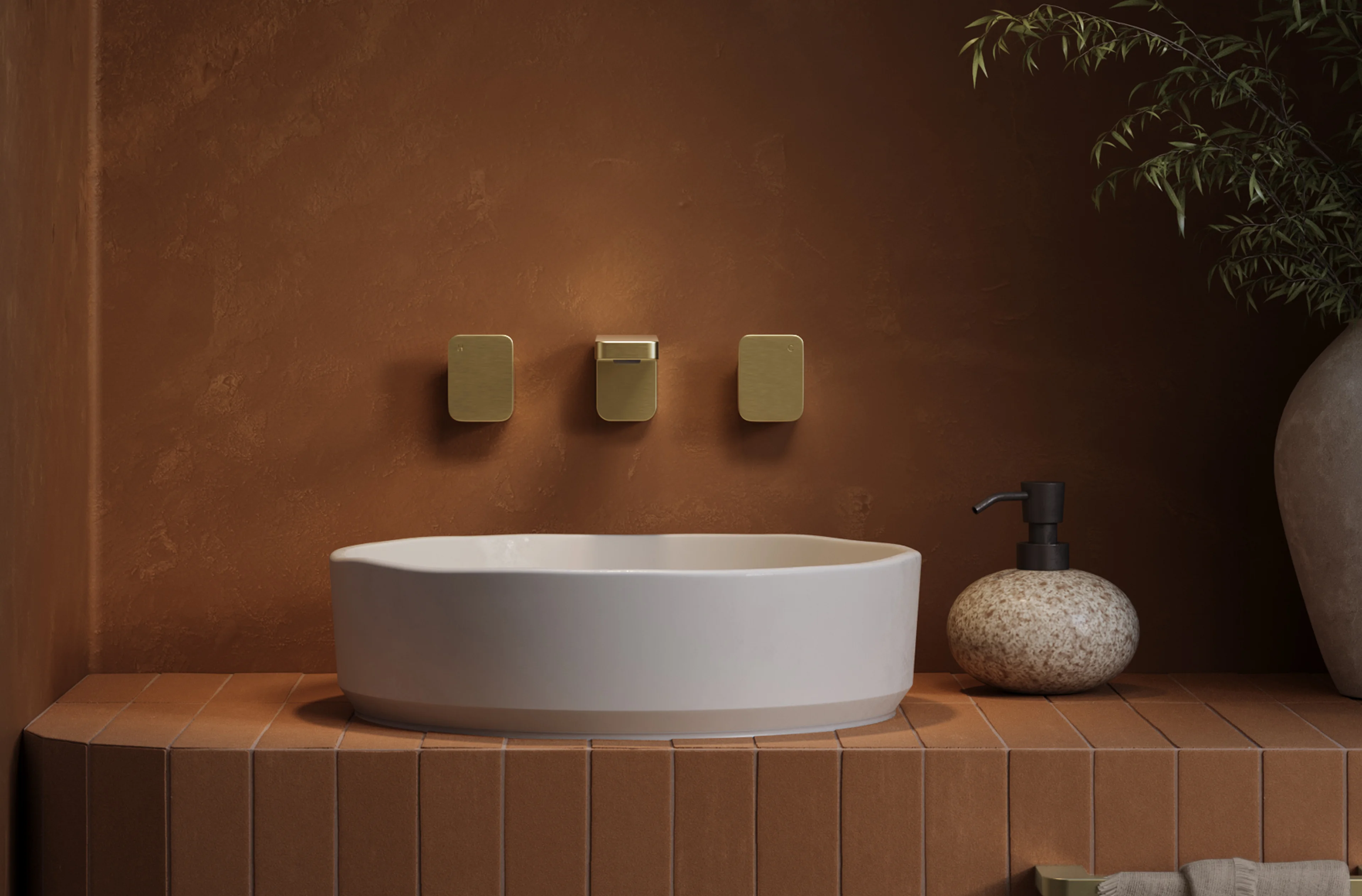
Engineered timber flooring serves as a warm, versatile base that pairs well with a wide range of materials. Natural stone, whether as a benchtop or feature tiling, introduces a cooler, tactile contrast against the timber grain. Warm metallic finishes for your fixtures, like brushed copper, complement the timber beautifully, while darker options like brushed gunmetal offer a bolder, more contemporary edge.
In the kitchen, coordinating your flooring with complementary taps creates a polished, intentional look. ABI Interiors' kitchen tap range, featuring finishes such as antique brass and brushed copper, adds warmth and character to the home's busiest room.
Final Thoughts: Choosing the Right Flooring
Selecting the right flooring means finding an option that balances aesthetics with long-term practicality. For modern homes and open-plan living spaces, engineered timber flooring delivers both, combining the warmth and character of real wood with the structural stability to perform reliably across different rooms and settings.
When paired with complementary materials and finishes, it creates a grounded, cohesive interior that feels both refined and functional, a considered, enduring choice that works as hard as it looks.
Inspired by this blog? Find more inspiration here:
Tiles vs Floorboards: Which is Best for Your Home?
Tile Texture: Choosing the Right Finish for Every Space
The Art of Achieving a Luxury Modern Kitchen Design