Our Range








Tile Texture: Choosing the Right Finish for Every Space
We often notice colour, pattern, or material first — but tile texture is one of the most transformative elements in interior design.
Whether you’re renovating a bathroom, updating a kitchen, or adding a statement wall, how a tile interacts with light, touch, and space can completely redefine a room’s character.
Have you ever stepped into a bathroom that feels instantly serene or a seemingly plain hallway that feels refined and sophisticated? Much of that effect comes down to texture. In this guide, we explore the nuances of tile texture, the different finishes available, and how to select the perfect tiles to complement both your vision and everyday living.
What is Tile Texture?
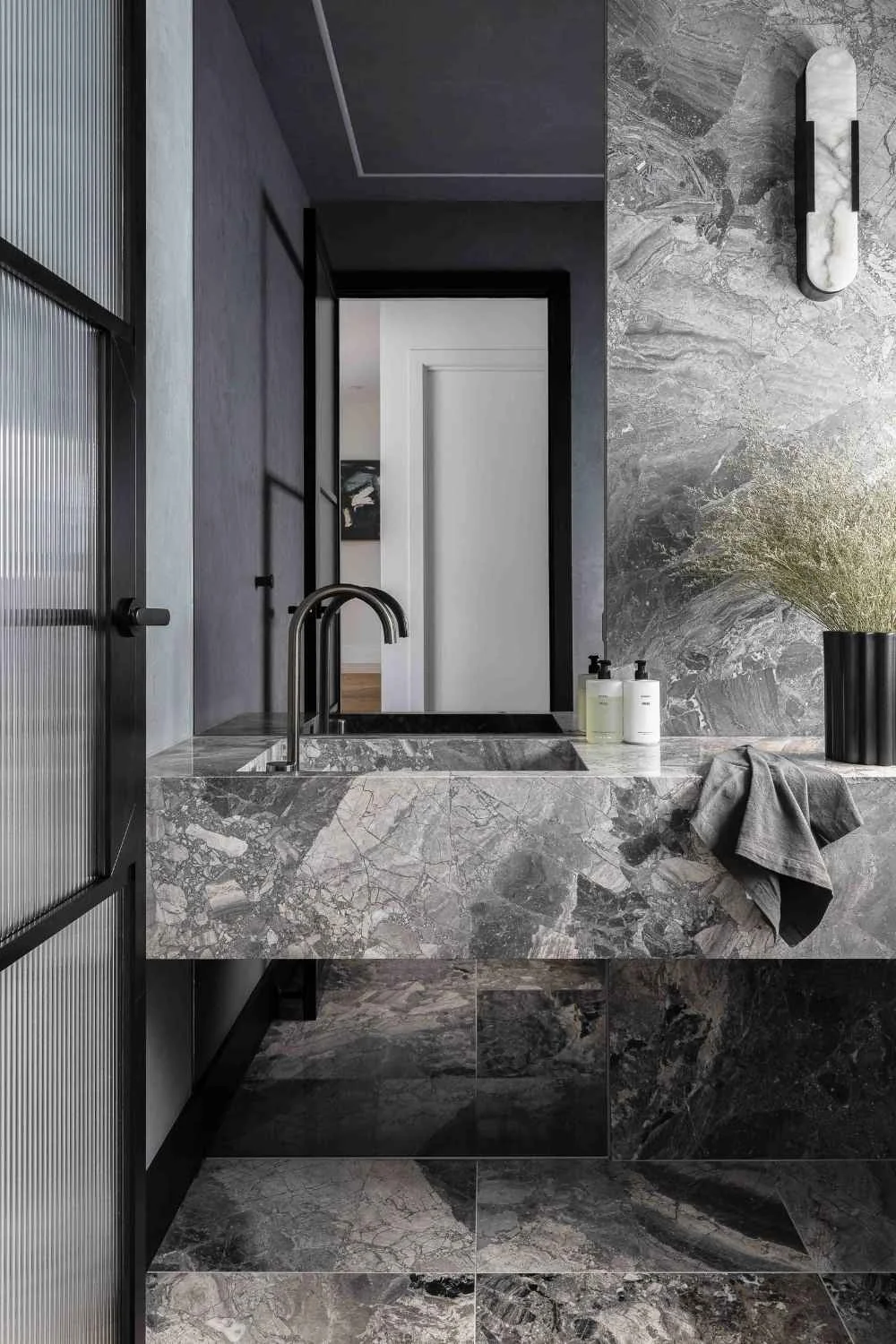
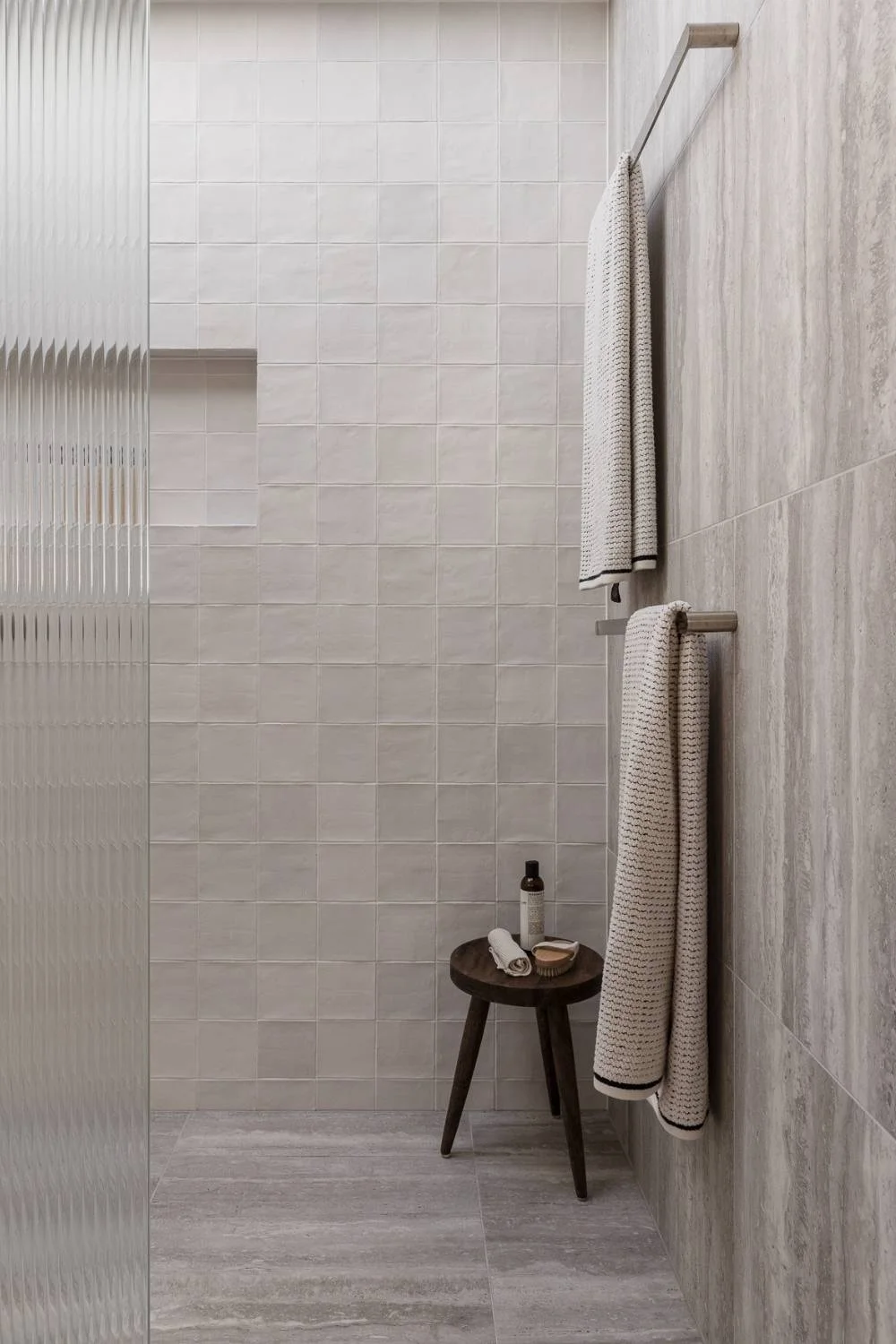
The term tile texture refers to the quality of a tile’s surface — its touch, its reflection of light, and how it relates to neighbouring materials. Beyond aesthetics, texture introduces dimension, tactility, and utility, helping to create interiors that are as functional as they are visually compelling.
But tile texture isn’t just about aesthetics — it also plays a crucial role in safety, durability, and maintenance. Matte or lightly textured surfaces can provide slip resistance and a subtle, understated elegance, while smooth or glossy finishes reflect light to make smaller spaces feel brighter and more expansive.
By choosing the right texture for each area, you can ensure your tiles not only look beautiful but also perform beautifully in daily life.
Types of Tile Texture
Textured Finishes
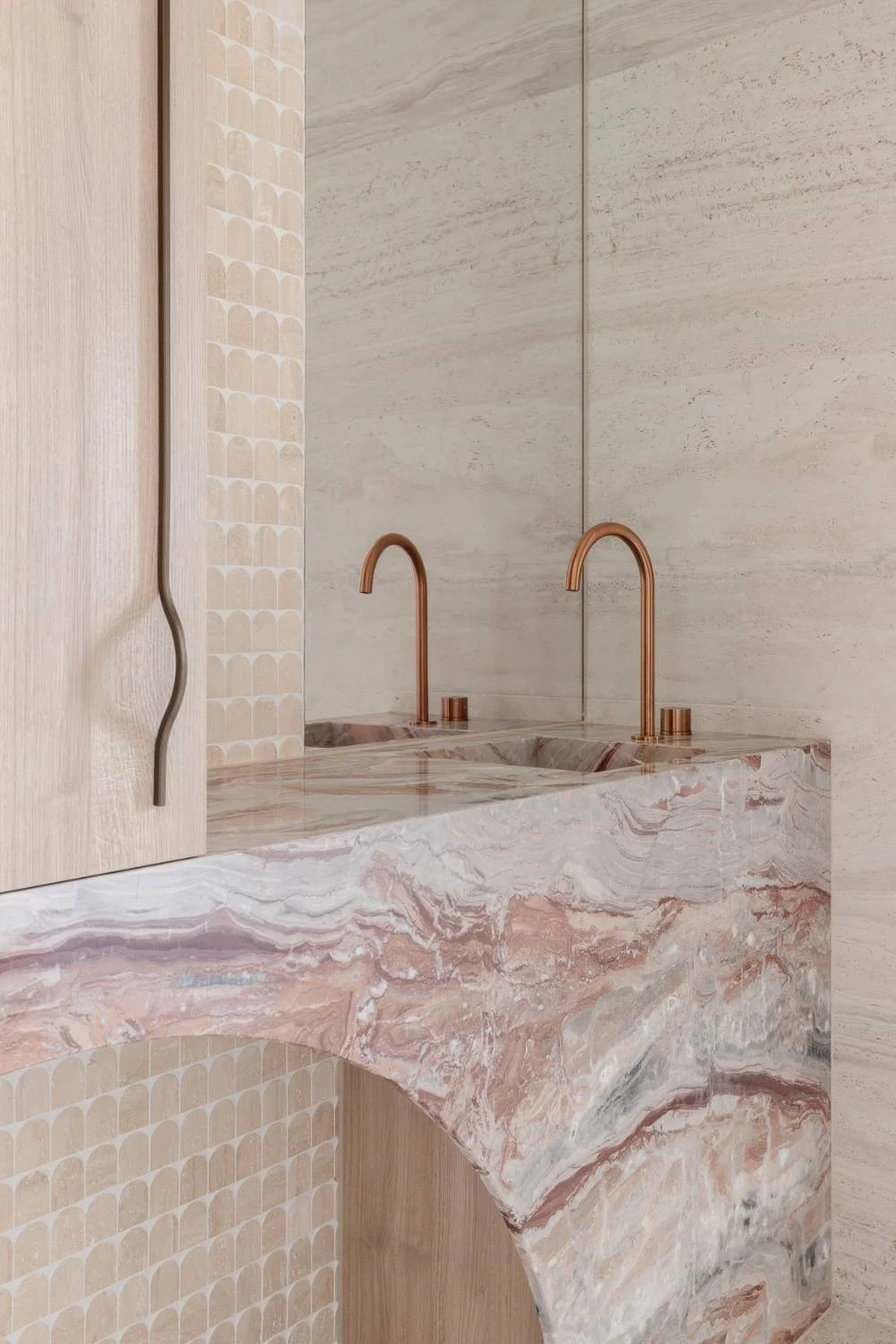
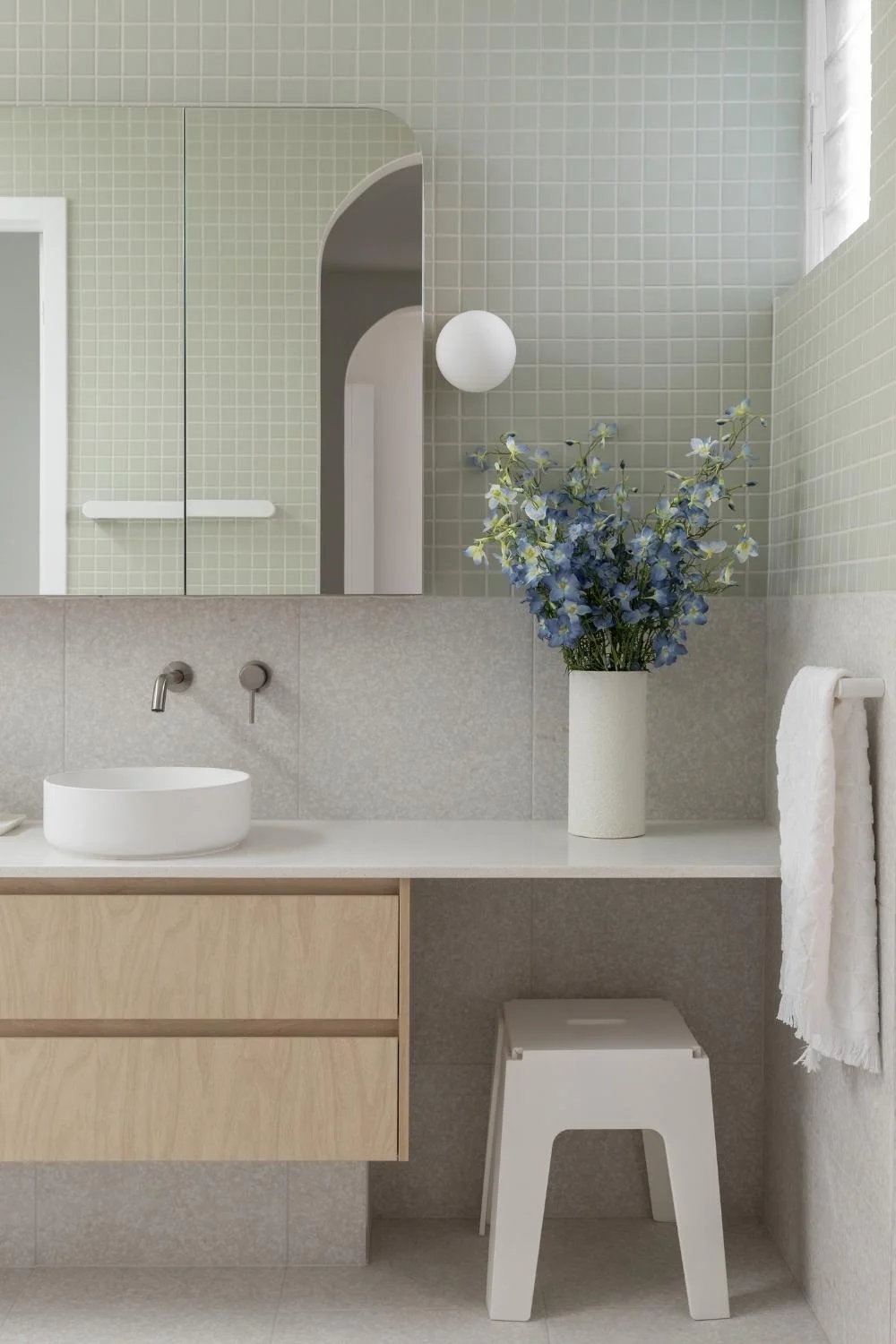
Every surface tells a story through its tile texture — the way it reflects light, feels underfoot, and stands up to daily use. From sleek gloss to tactile finishes, these details transform both the style and performance of a space.
Smooth: Sleek and minimalist, smooth tiles create a clean, contemporary look. They are easy to clean and maintain, making them a popular choice for walls, countertops, and low-traffic floors.
Matte: A non-reflective finish with a soft, velvety surface, matte tiles offer understated elegance. Their subtle texture diffuses light, adds depth, and provides extra slip resistance — perfect for bathrooms and high-traffic areas.
Glossy: Glossy tiles feature a reflective, high-shine surface achieved through glazing. For example, glossy white tiles amplify light, making rooms feel brighter and more expansive, and are ideal for splashbacks or accent walls where a luminous effect is desired.
Polished: Achieved through mechanical grinding and buffing, polished tiles offer a mirror-like surface. Unlike glossy glazes, the shine comes from the tile itself, delivering a luxurious aesthetic suitable for statement floors or feature walls.
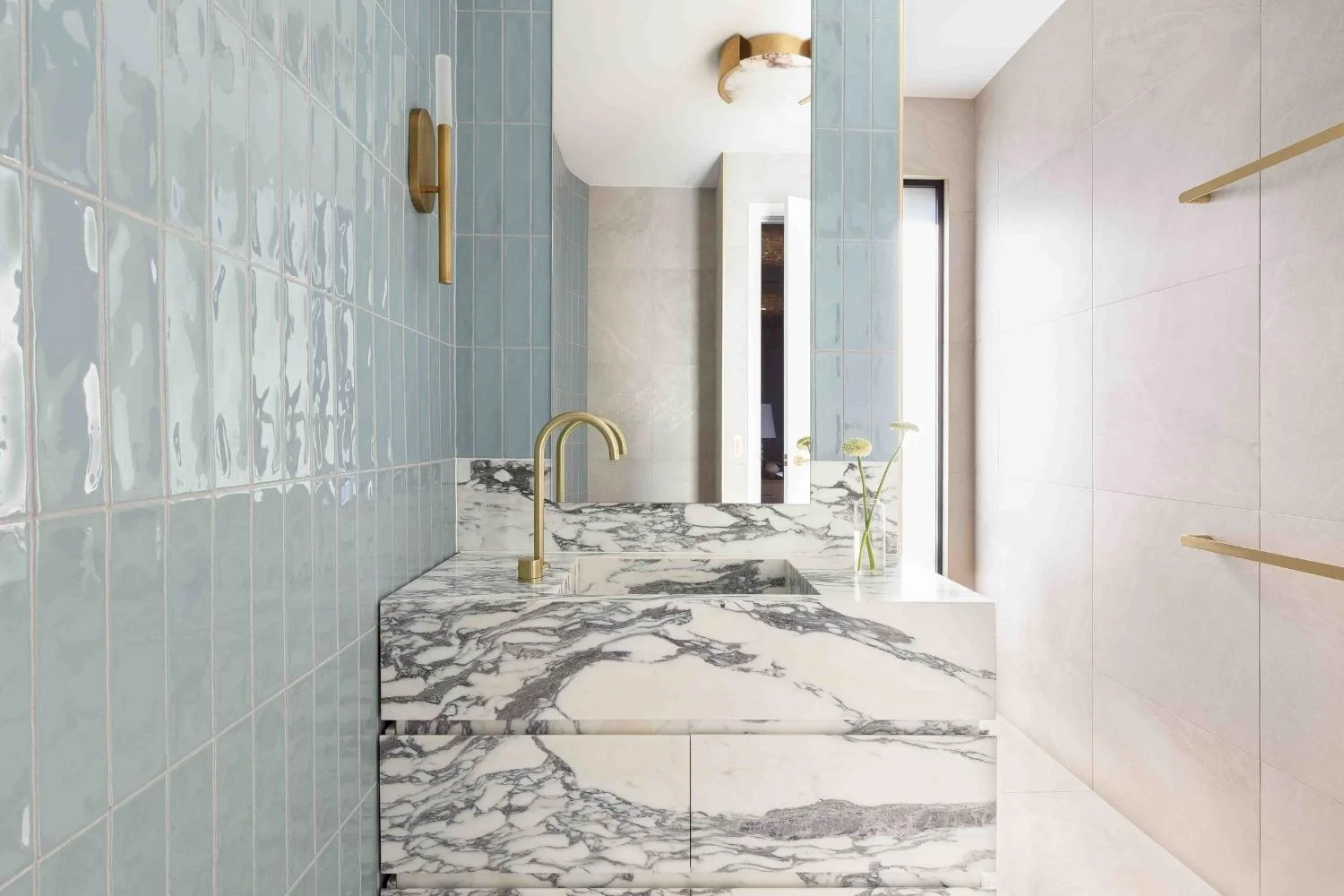
Honed: Smooth and satin-like with a soft sheen, honed tiles strike a balance between polished luxury and matte subtlety. They create a natural, refined look that works well in both modern and classic interiors.
Semi-Polished: A hybrid finish blending matte softness with gentle gloss, semi-polished tiles provide depth, dimension, and improved slip resistance, making them versatile for both walls and floors.
Textured: Textured tiles feature raised, tactile surfaces that add visual interest while enhancing grip. Ideal for floors or accent walls, they combine practicality with character.
Glazed: Glazed tiles are coated with a liquid-glass finish that intensifies colour, protects against stains, and enhances durability. They are functional and visually striking, offering endless design possibilities.
Nature-Inspired Textures
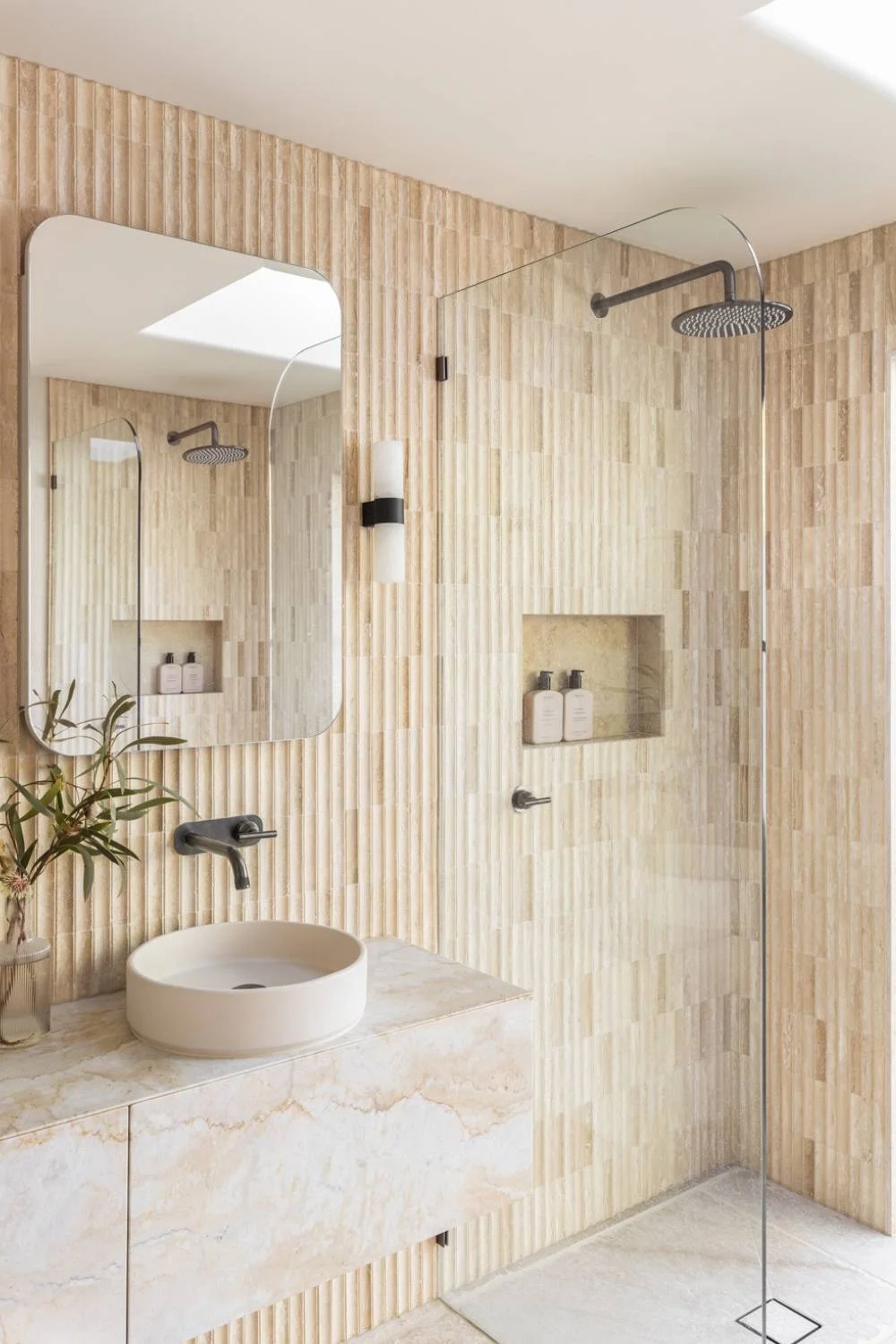
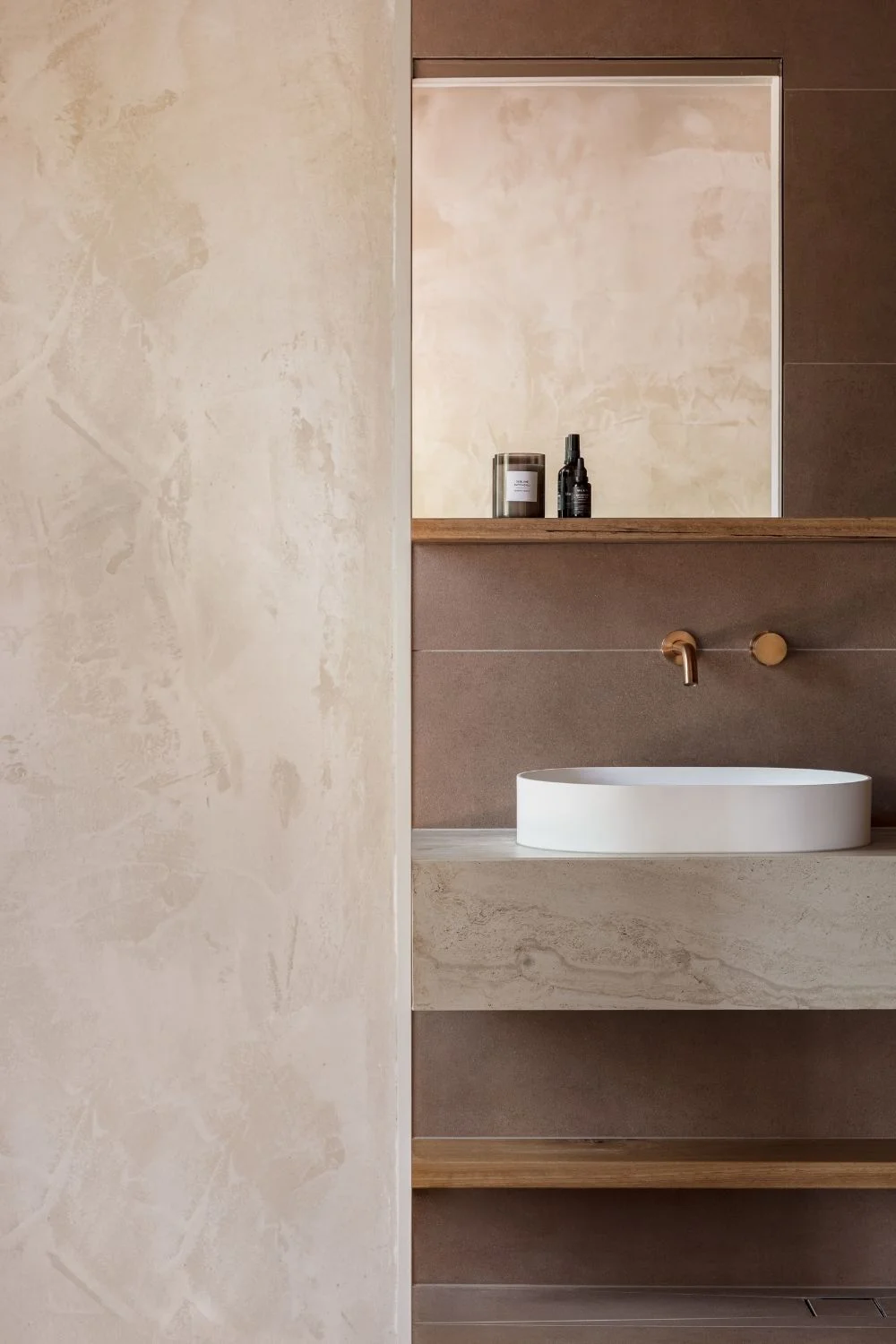
A nature-inspired tile texture brings the essence of stone, wood, and concrete into a space, creating a tactile and visual connection to the natural world. They provide both an authentic, grounded aesthetic and the resilience required for everyday living.
Natural Stone: From travertine to limestone, natural stone tiles bring depth, richness, and individuality to a project. Each piece carries unique variations in tone and veining, creating a surface that feels timeless and connected to nature.
Stone Look: For those seeking the aesthetic of marble, travertine, or slate without the maintenance demands, stone-look tiles deliver a highly realistic finish. They provide the elegance of natural stone with the added durability and consistency of porcelain tiles.
Wood Look: Designed to replicate the warmth and texture of timber, wood-look tiles offer an authentic grain detail with the resilience of ceramic or porcelain. They bring natural charm to interiors while resisting moisture, scratches, and fading — ideal for high-use spaces.
Concrete Look: Inspired by urban and industrial design, concrete look tiles introduce a raw, architectural edge. Their smooth yet subtly textured surfaces make them versatile for both minimalist settings and contemporary, loft-style spaces.
Terracotta: Earthy and tactile, terracotta tiles channel rustic Mediterranean charm. Their rich, warm tones and natural porosity create a lived-in feel that only improves with age, adding character and warmth to kitchens, patios, and feature walls.
Terrazzo: Once a traditional flooring technique, terrazzo has evolved into a contemporary design statement. Combining marble, quartz, or stone chips set into cement or resin, terrazzo tiles offer a smooth, polished surface that balances durability with a distinctive, playful pattern.
Decorative & Sculptural Textures
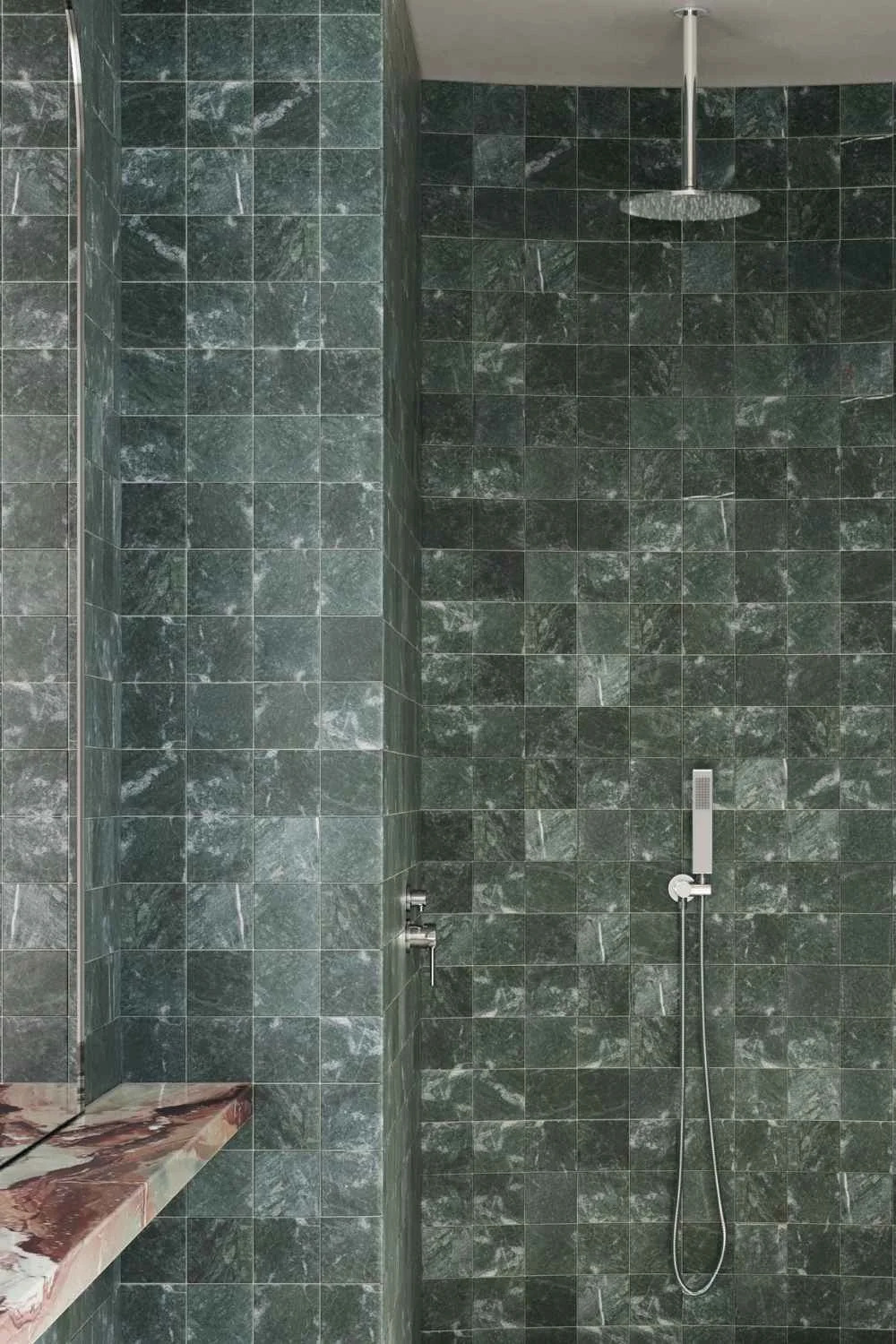
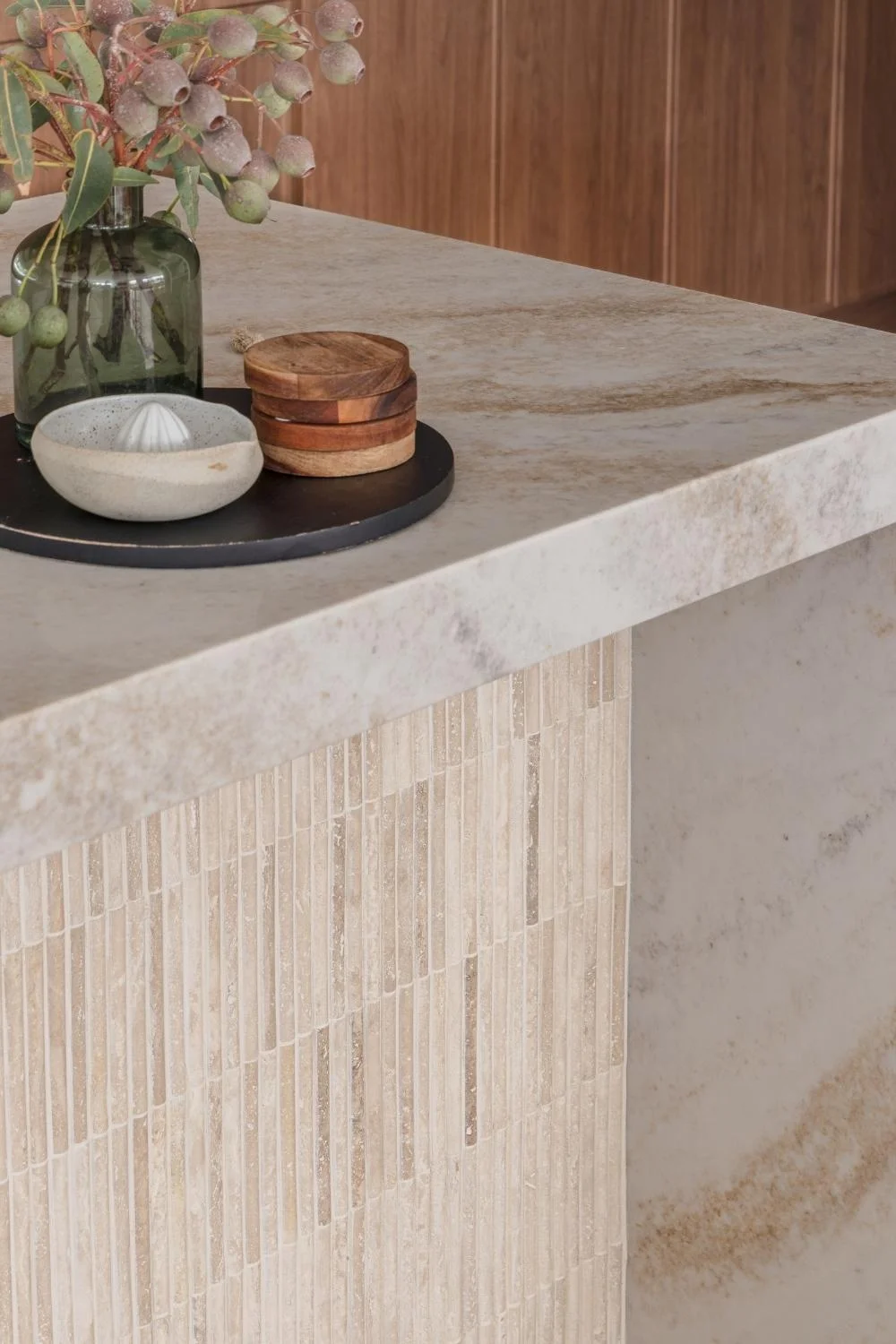
Decorative tile texture elevates design beyond mere function. Intricate mosaics, embossed patterns, and 3D surfaces bring artistry, tactile interest, and striking visual impact to a space.
Mosaic: Mosaic tiles combine small pieces of stone, glass, or ceramic to create detailed patterns and surfaces. Ideal for splashbacks, feature walls, or accent floors, mosaics add rhythm, texture, and a crafted feel to any space.
3D & Embossed: Sculptural tiles feature raised patterns, carved reliefs, or dimensional surfaces, transforming walls into architectural focal points. These tiles provide drama, depth, and artistic expression in contemporary and traditional interiors.
Glazed: Decorative glazed tiles add colour, pattern, and protection in one. Their liquid-glass finish intensifies hues, resists stains, and ensures longevity, making them a versatile choice for bold walls or functional splashbacks.
How to Choose the Right Tile Texture for Each Space
Tile texture can dramatically influence both the look and functionality of a room. More than a visual choice, the right surface enhances safety, longevity, and everyday comfort. Here’s a guide to selecting the ideal texture for each space in your home.
Bathrooms
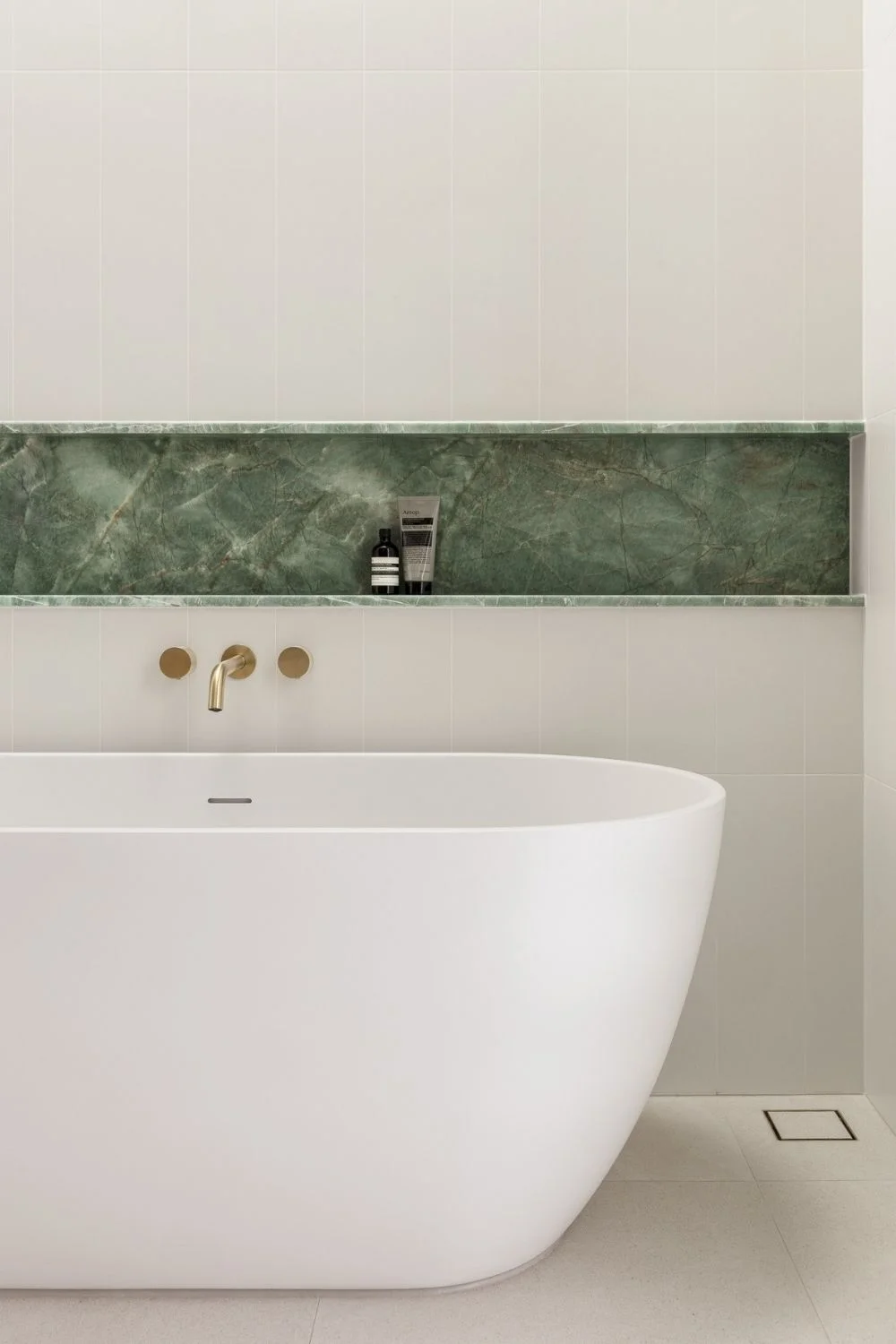
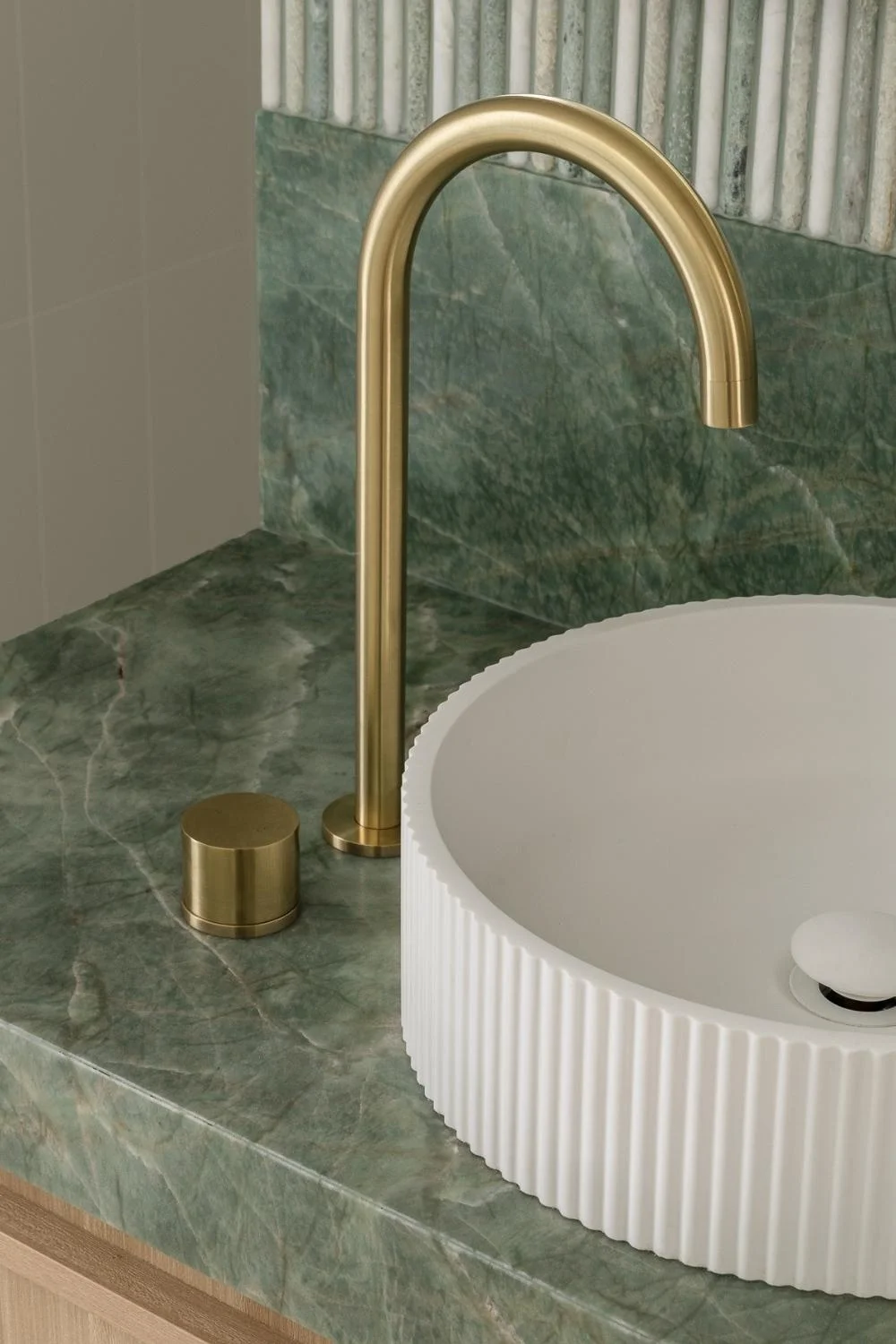
In bathrooms, practicality is paramount. Bathroom tiles should balance style with safety, particularly in wet zones around showers and baths.
Non-slip tiles or lightly textured matte finishes are ideal for floors, helping to reduce slips while still maintaining a refined look. For walls, smooth or glossy finishes can add brightness and are easy to clean, creating a polished, spa-like atmosphere.
Kitchens
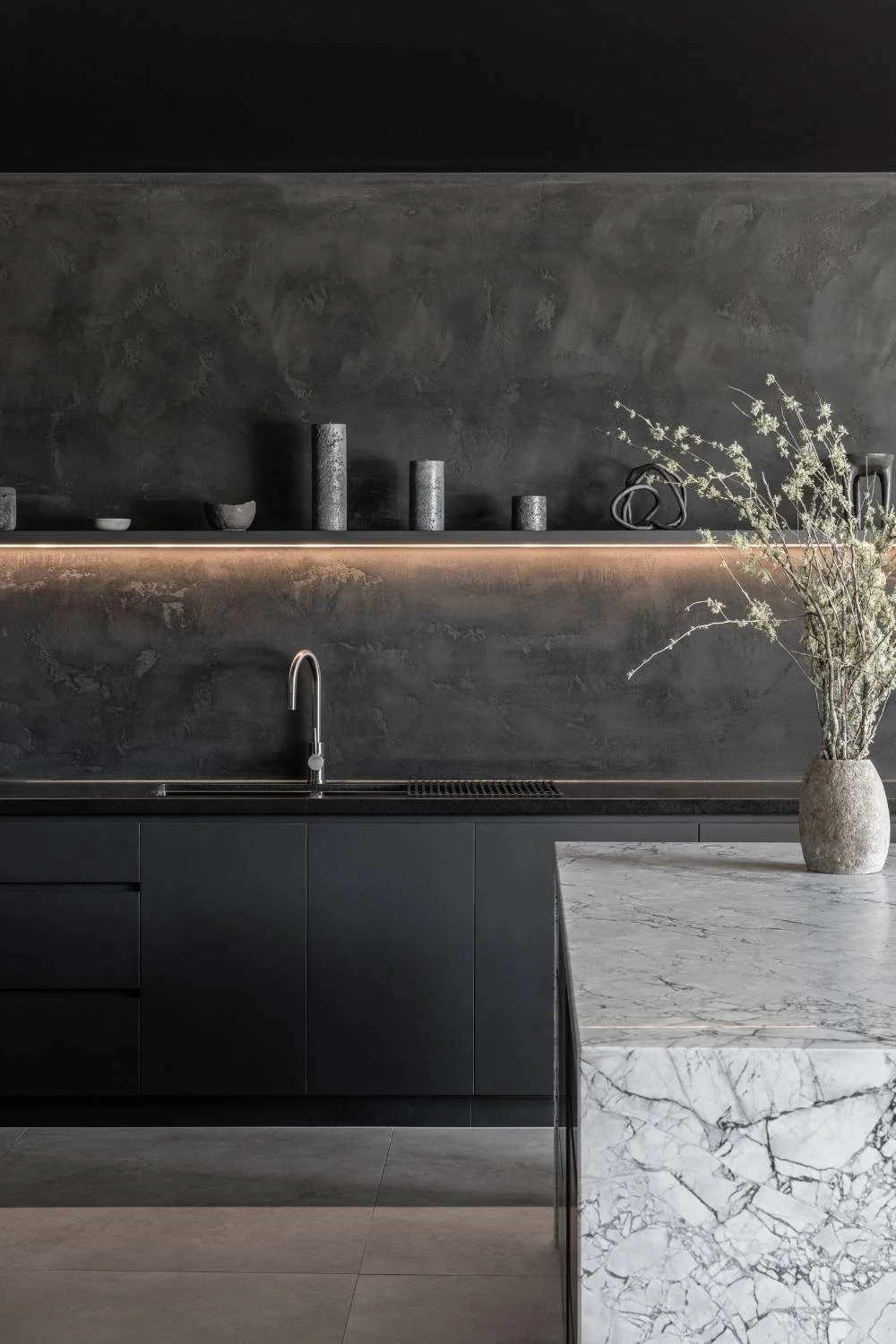
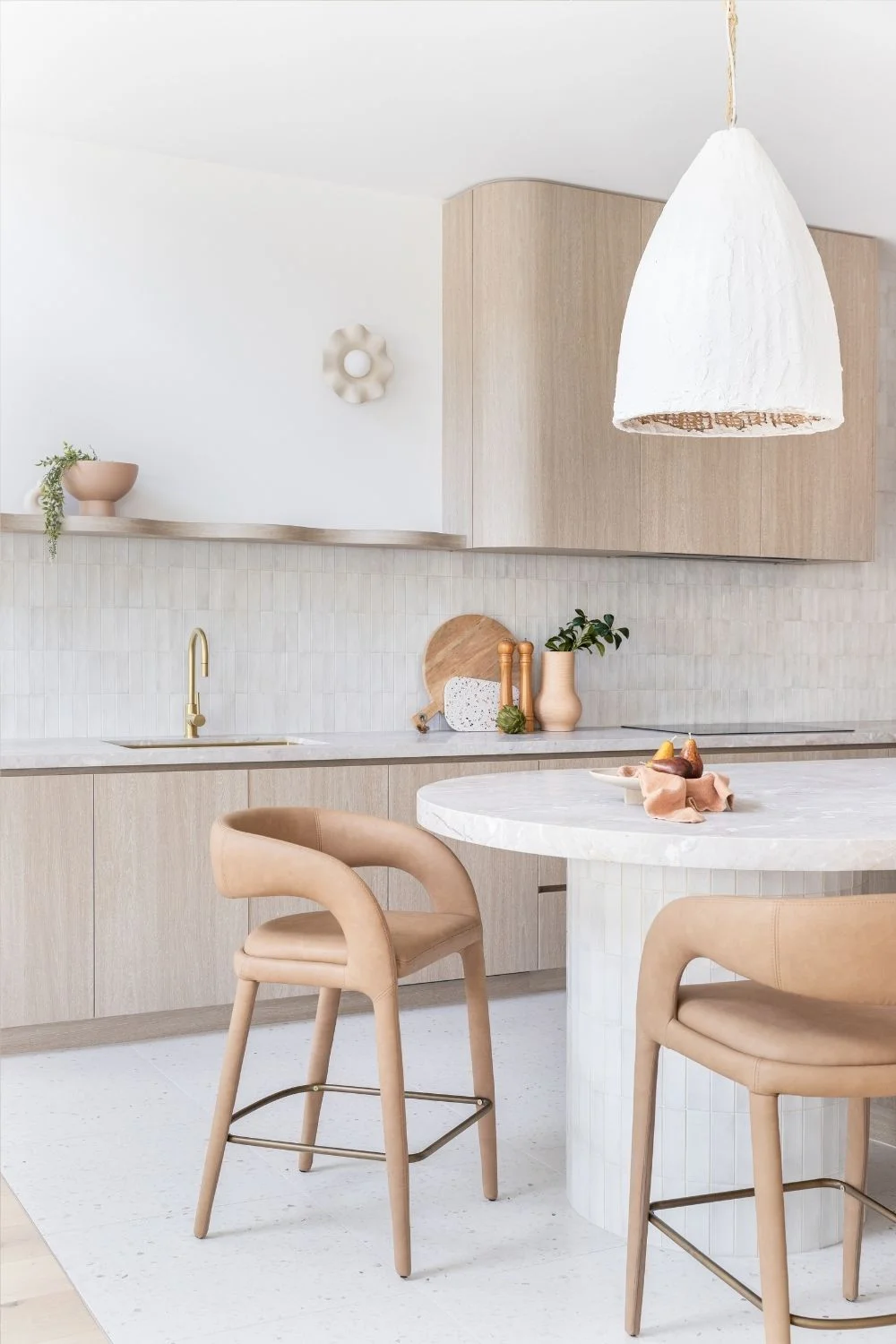
Kitchen tiles should be durable, hygienic, and easy to maintain. Opt for textured or matte floor tiles that offer slip resistance and hide wear from heavy foot traffic. On splashbacks, a glossy or glazed tile finish not only reflects light to open up the space but also makes cleaning simple, as stains and spills can be wiped away with ease.
A mix of finishes, like large-format matte tiles on the floor and glossy, textured subway tiles on the wall, often delivers the perfect balance of function and style.
Living Areas & Hallways
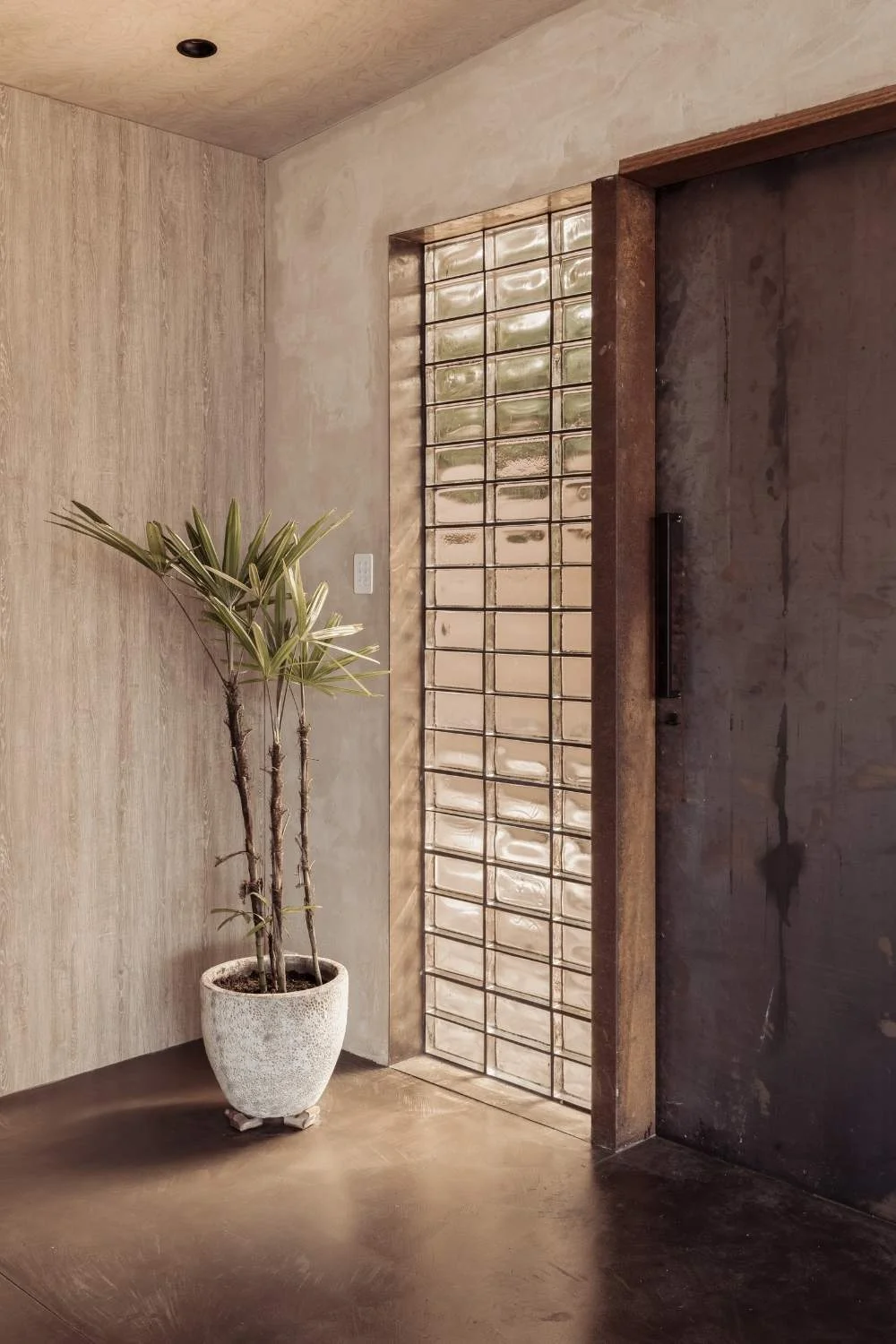
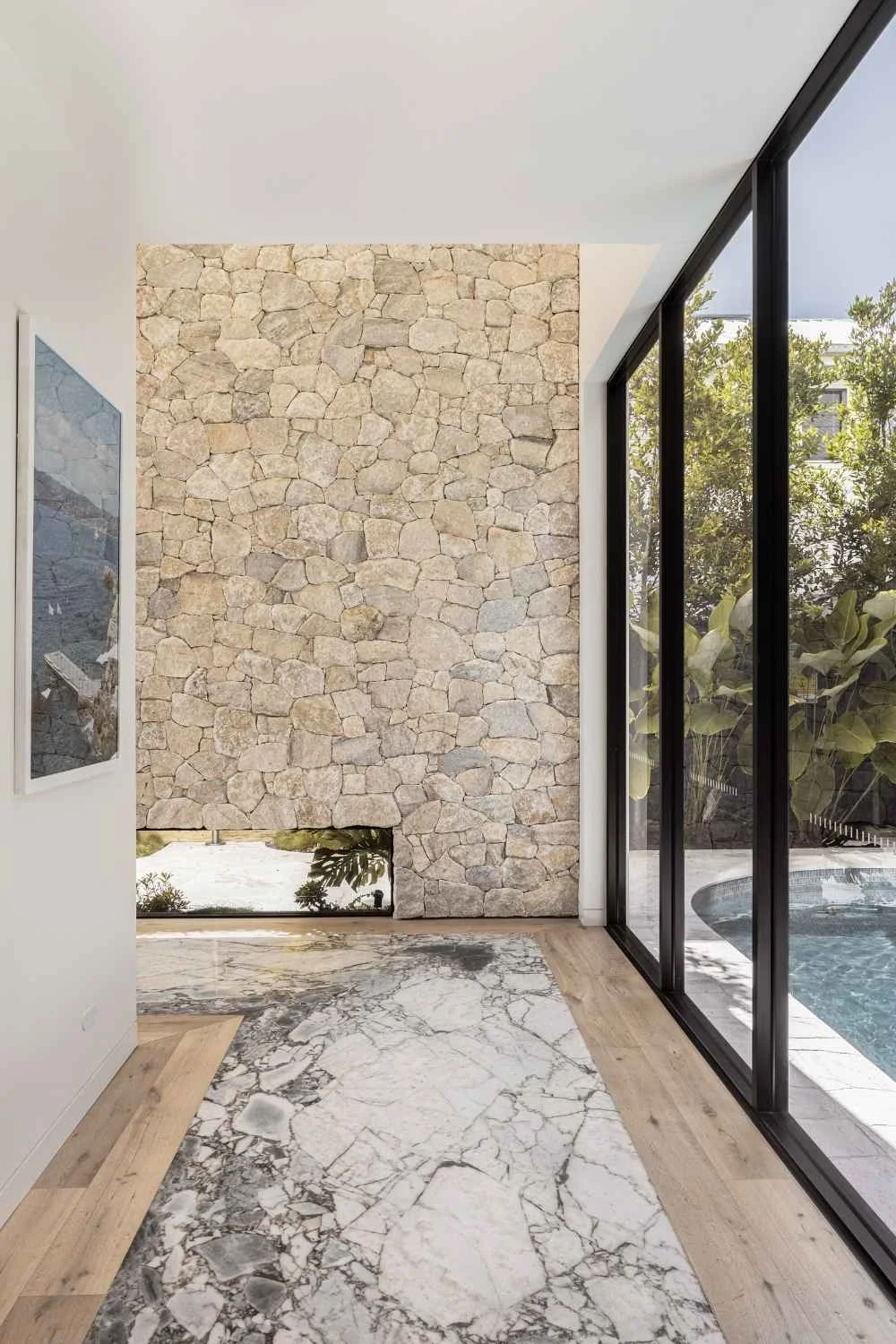
These high-traffic zones benefit from tiles that combine visual impact with resilience. Textured floor tiles add grip and durability, making them practical for busy households, while also introducing depth and interest underfoot.
In hallways or large open-plan living spaces, consider matte or honed finishes for a softer, more natural aesthetic, or polished tiles for a bold, reflective statement. The right tile texture depends on the mood you want to create — calm and grounded, or sleek and dramatic.
Utility Room
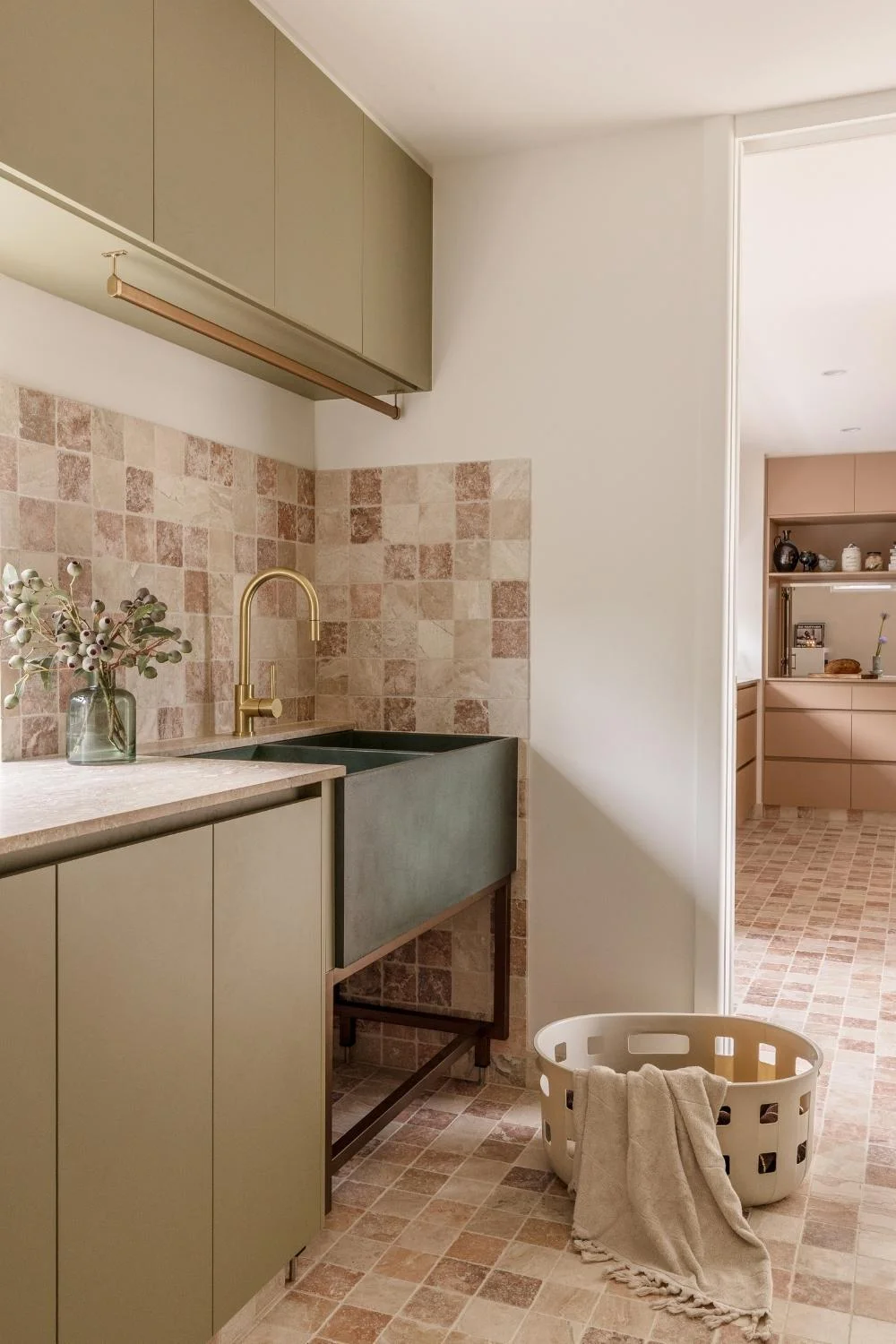
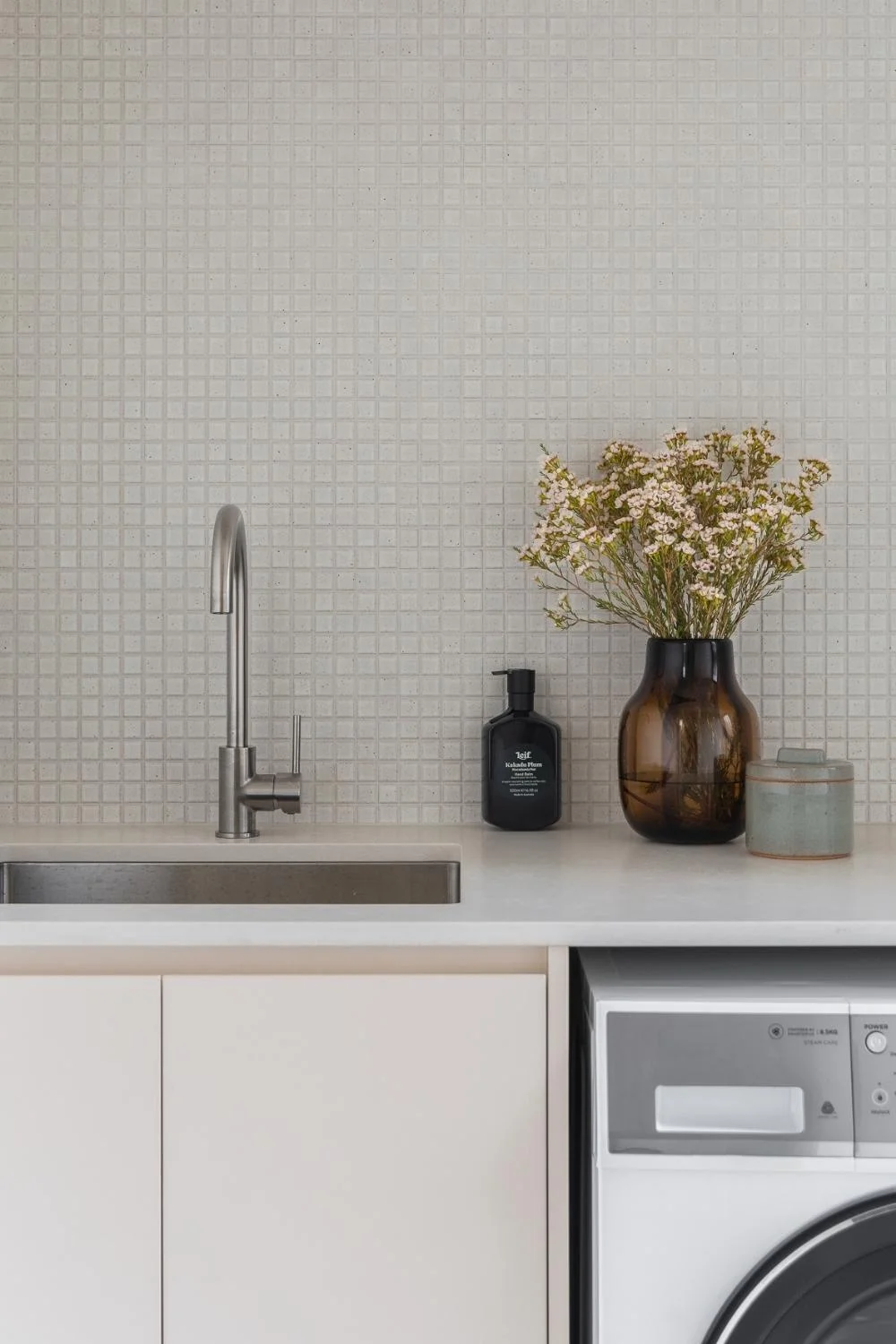
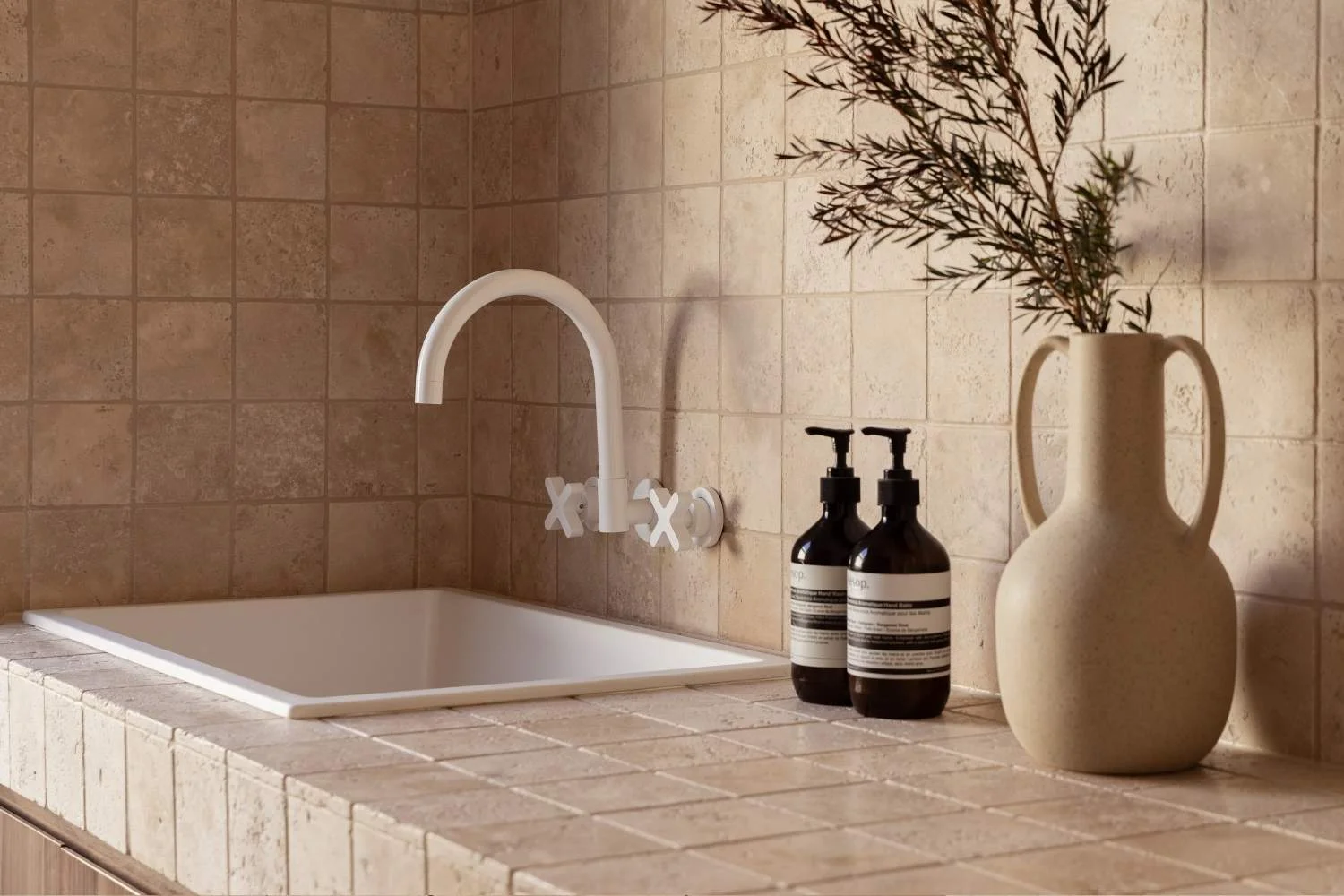
The utility room is a hard-working space where tile texture enhances both safety and convenience. Floors should prioritise slip-resistant finishes to handle splashes and spills, while still being easy to clean. Matte or lightly textured surfaces work particularly well here.
For your splashback, glazed or glossy wall tiles will protect against moisture and detergent splashes, adding a polished finish without compromising functionality. Subtle decorative textures can also help elevate the space, turning it from purely practical into a more inviting zone.
Outdoors
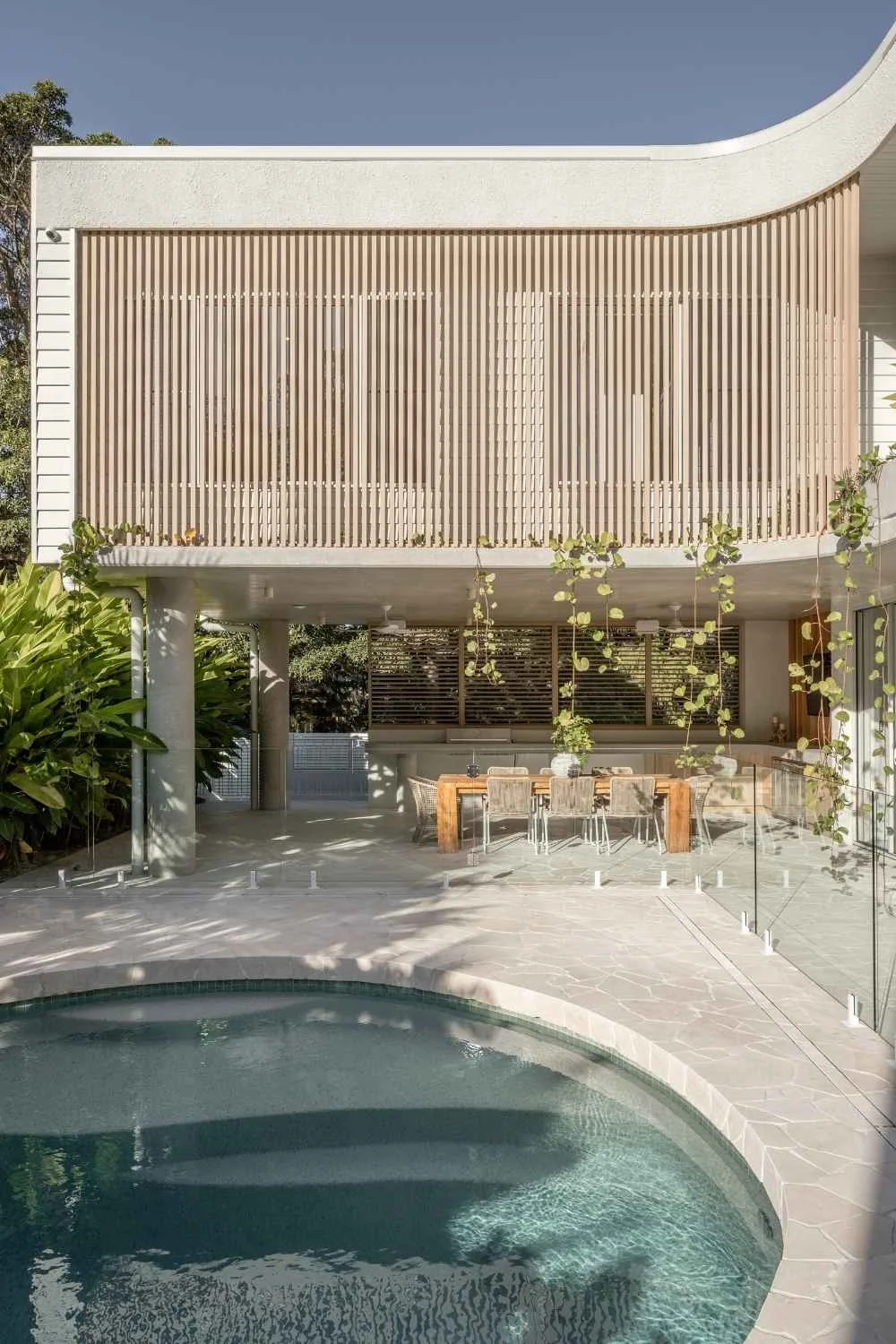
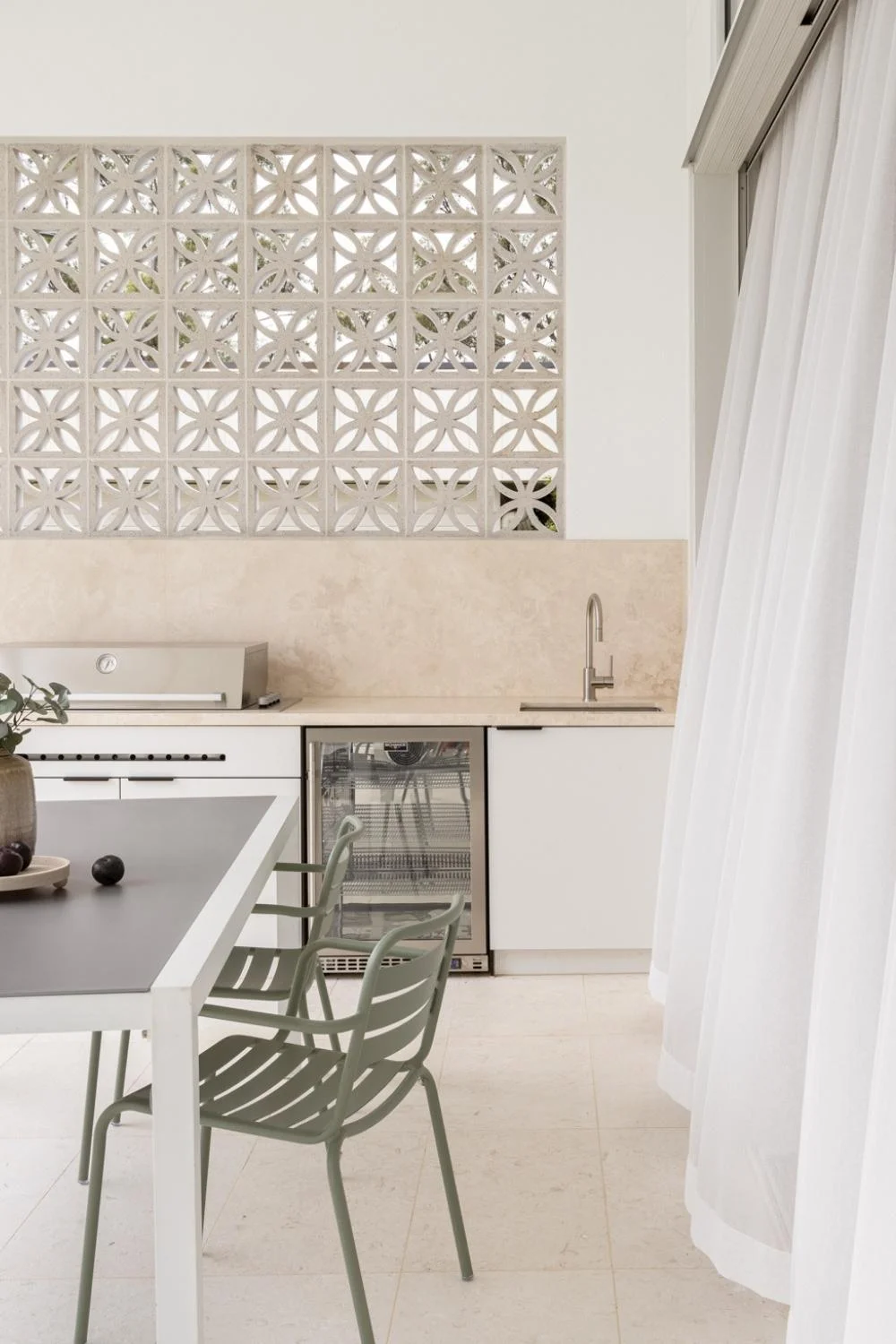
Outdoor areas require tiles that are both durable and safe underfoot. Textured or slip-resistant surfaces are essential for patios, pool surrounds, and walkways. Stone-look, concrete-look, or natural stone outdoor tiles not only withstand weathering and heavy use but also integrate seamlessly with garden and landscape design. By selecting a tile texture suited to outdoor conditions, you ensure your exterior spaces are as beautiful as they are practical.
Feeling inspired? Read more blogs like this:
Ceramic vs Porcelain Tile: Which Is Right for You?