Our Range








Redefining Open-Plan Living: The Return of Dedicated Zones
Open-plan living has held its place at the heart of modern home design for more than two decades, admired for its openness, light, and understated simplicity. It has redefined how we inhabit our homes, fostering a sense of spaciousness and effortless daily life.
While open-plan layouts once defined contemporary design, their limitations are becoming increasingly apparent. These layouts can lack the sense of intimacy and quiet essential to everyday rituals.
We explore how to zone open-plan living, where this renewed focus extends beyond a stylistic shift to reflect the evolving demands of the home as a functional, multi-purpose environment.
In the wake of the pandemic, our homes were redefined as spaces that needed to accommodate every aspect of daily life, from remote work and wellness to education and rest.
Now, there is a growing desire for spaces that offer retreat rather than constant exposure. Discover how to create zones in open-plan living that can redefine your home, as each space is thoughtfully considered to support the evolving rhythms and social demands of modern life.
Understanding the Broken Plan
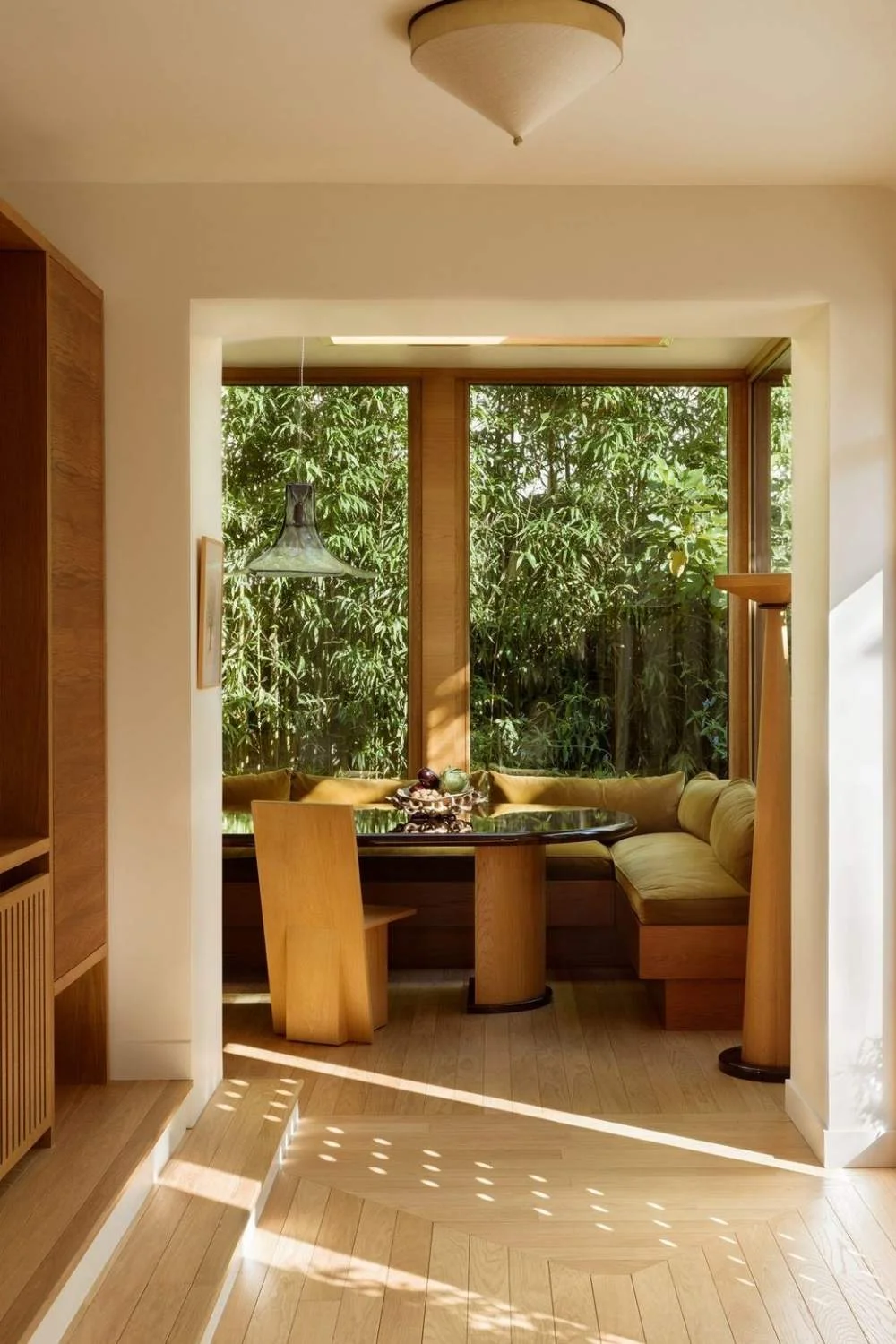
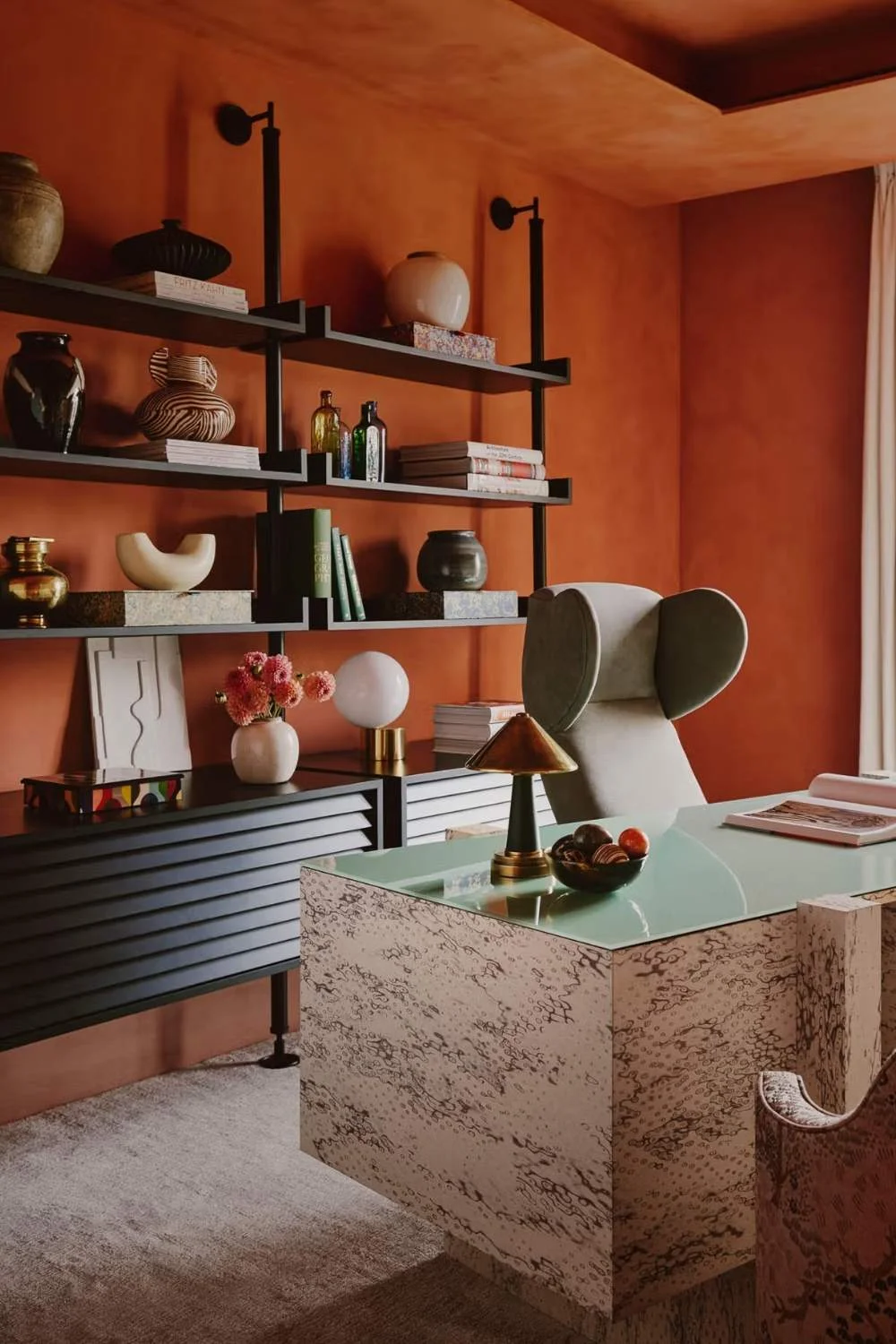
A new balance is emerging between how we once lived and how we live now.
Rather than a single expansive, multifunctional space, zoning open-plan living, known as broken-plan living, introduces a more refined approach where subtle divisions bring clarity and comfort, enhancing functionality while maintaining a cohesive visual flow.
The reintroduction of the reading nook, the enclosed living room, and the thoughtfully designed home office signal a move toward interiors that prioritise a more considered sense of calm.
As the cost of living continues to rise, homes are being reimagined to support multigenerational living, accommodating adult children or ageing parents.
Design-Led Dividing
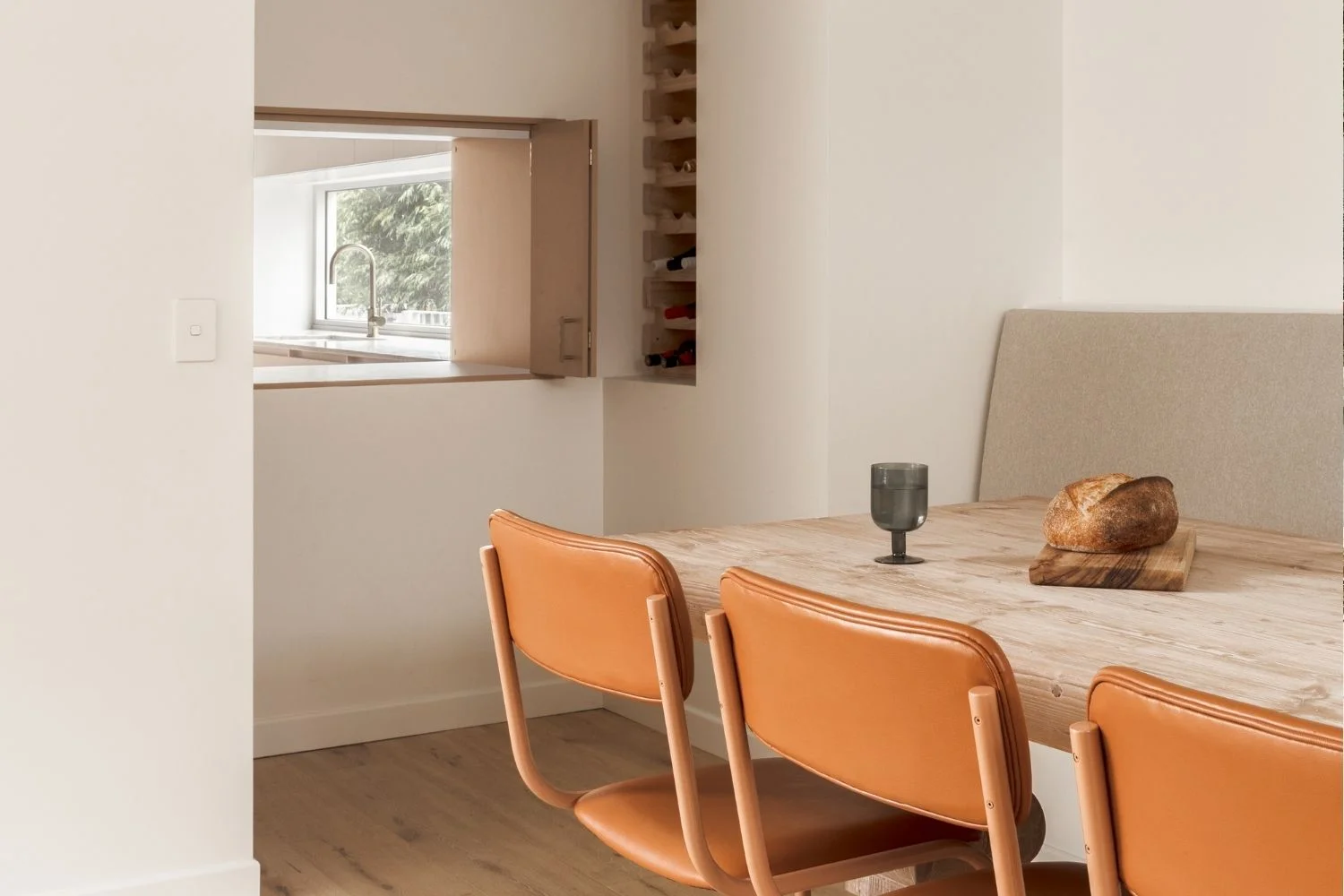
Embracing broken-plan living doesn't demand a complete overhaul of your home. Rather, it encourages a more thoughtful use of space through modest interventions that bring clearer definition to zones, enhance privacy, and strengthen the day-to-day functionality of a home for years to come.
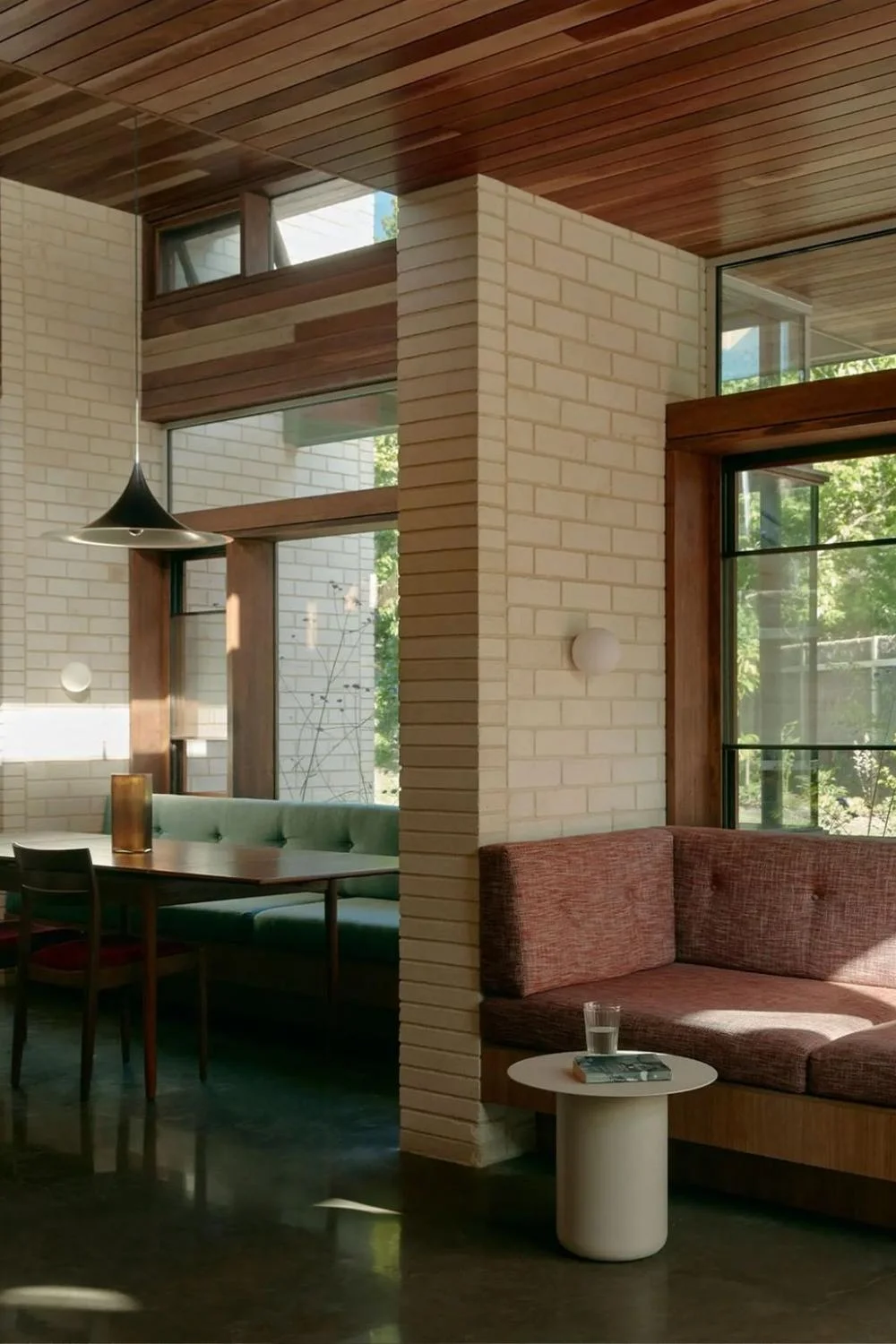
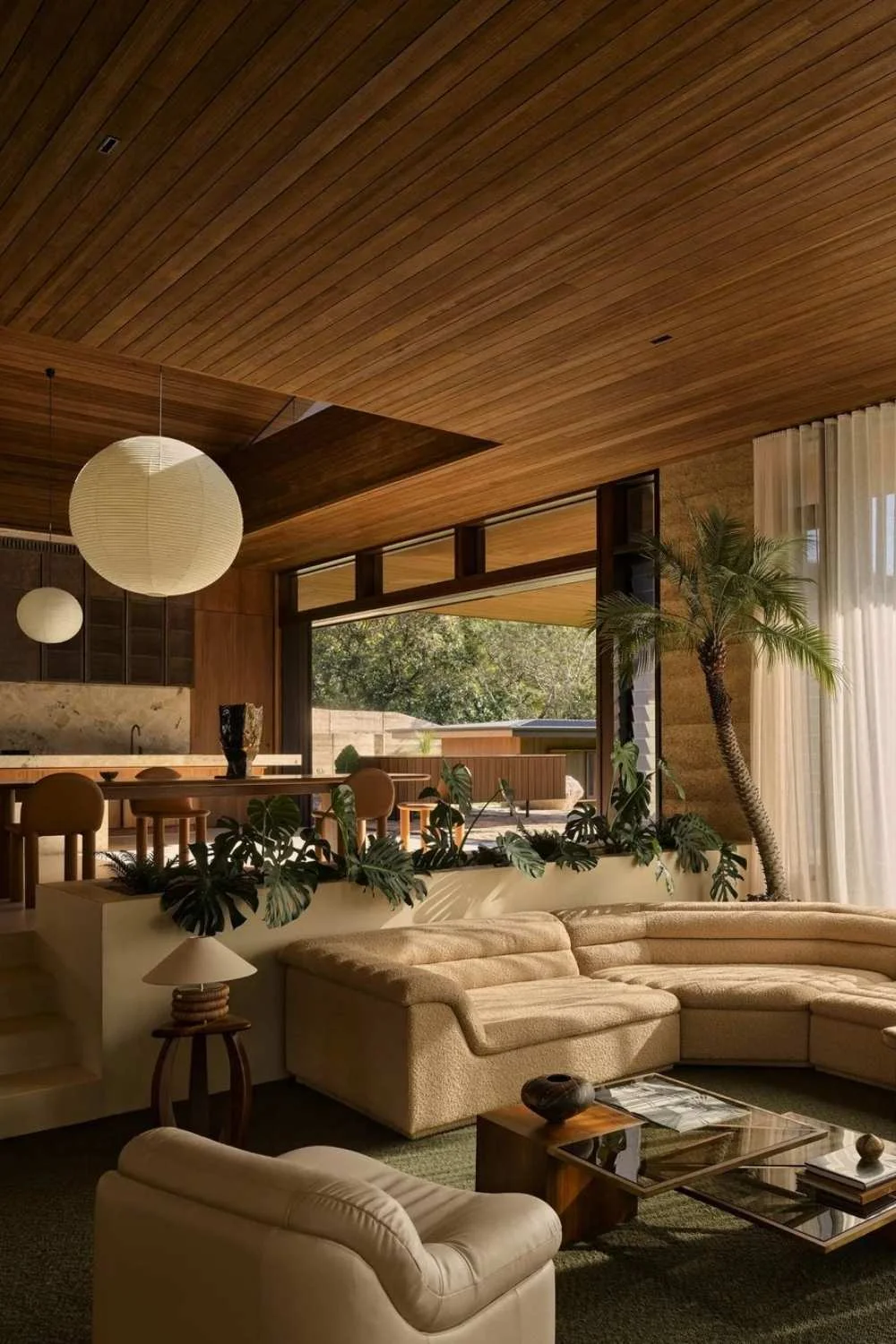
From architectural interventions to more adaptable solutions, there are myriad ways to introduce definition within an open-plan space.
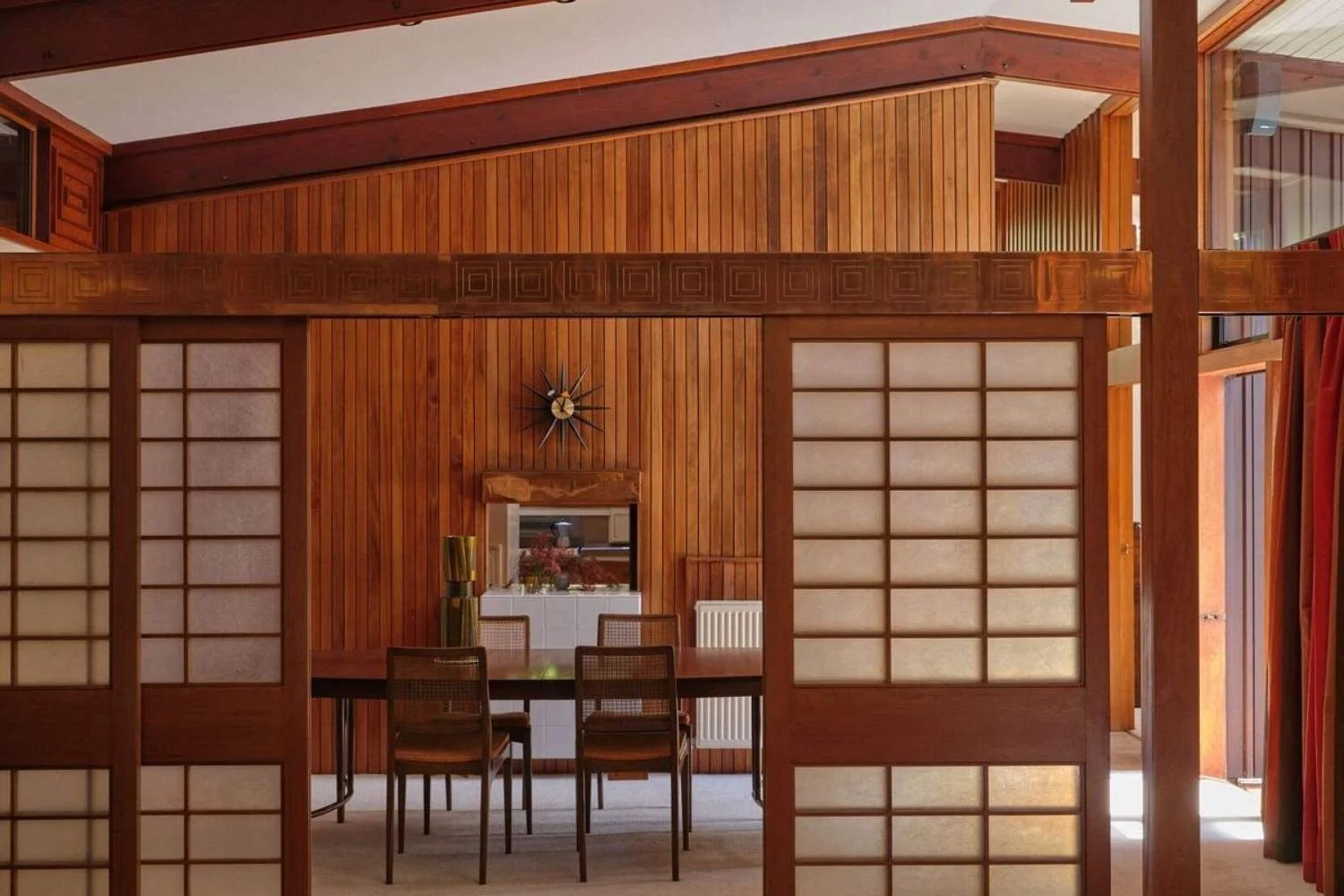
Glass partitions and Crittall-style doors offer a refined sense of separation, while shifts in ceiling height and flooring create subtle yet effective transitions. Thoughtfully placed elements such as double-sided bookcases, internal gardens, and timber slat screens further establish zones without compromising flow.
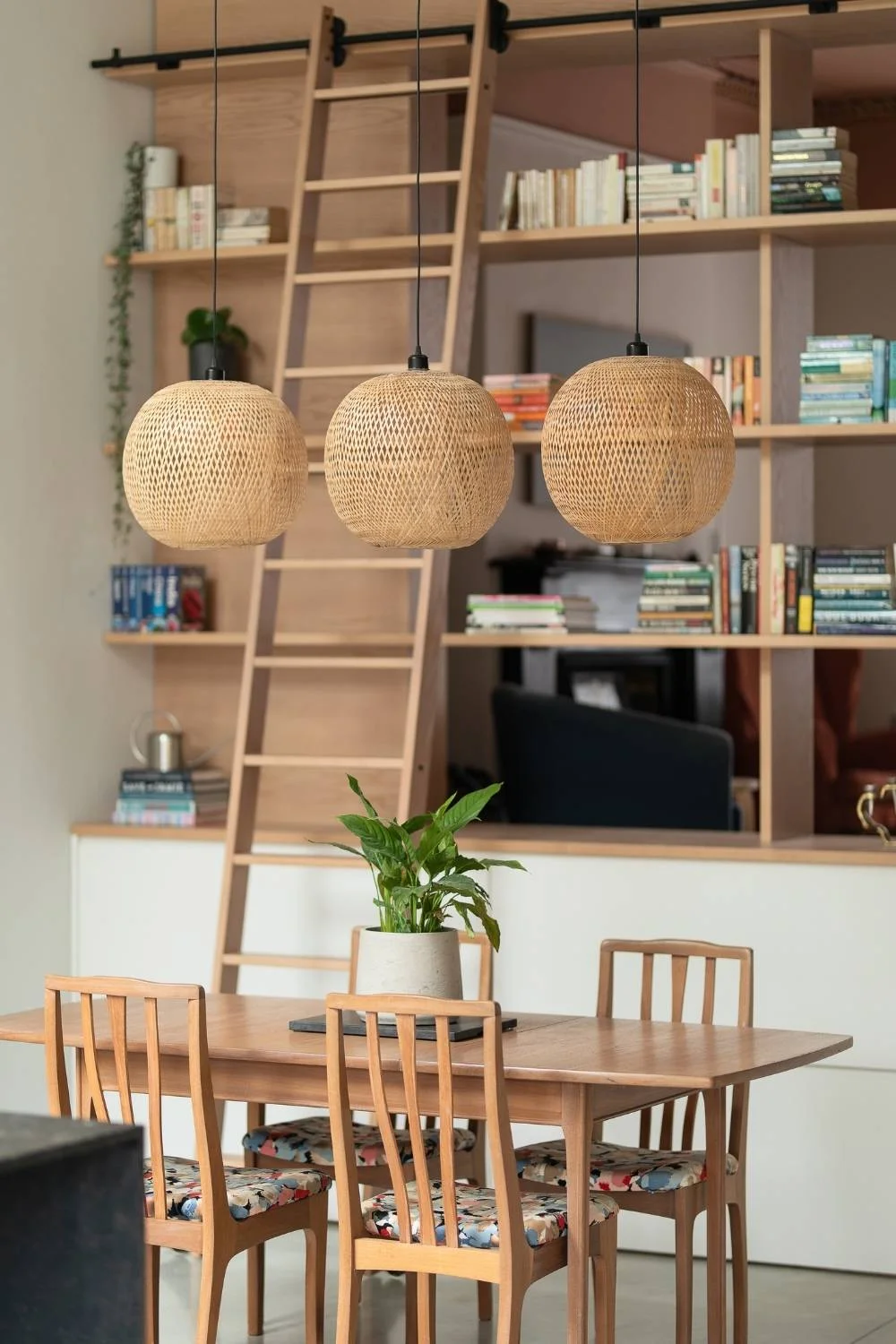
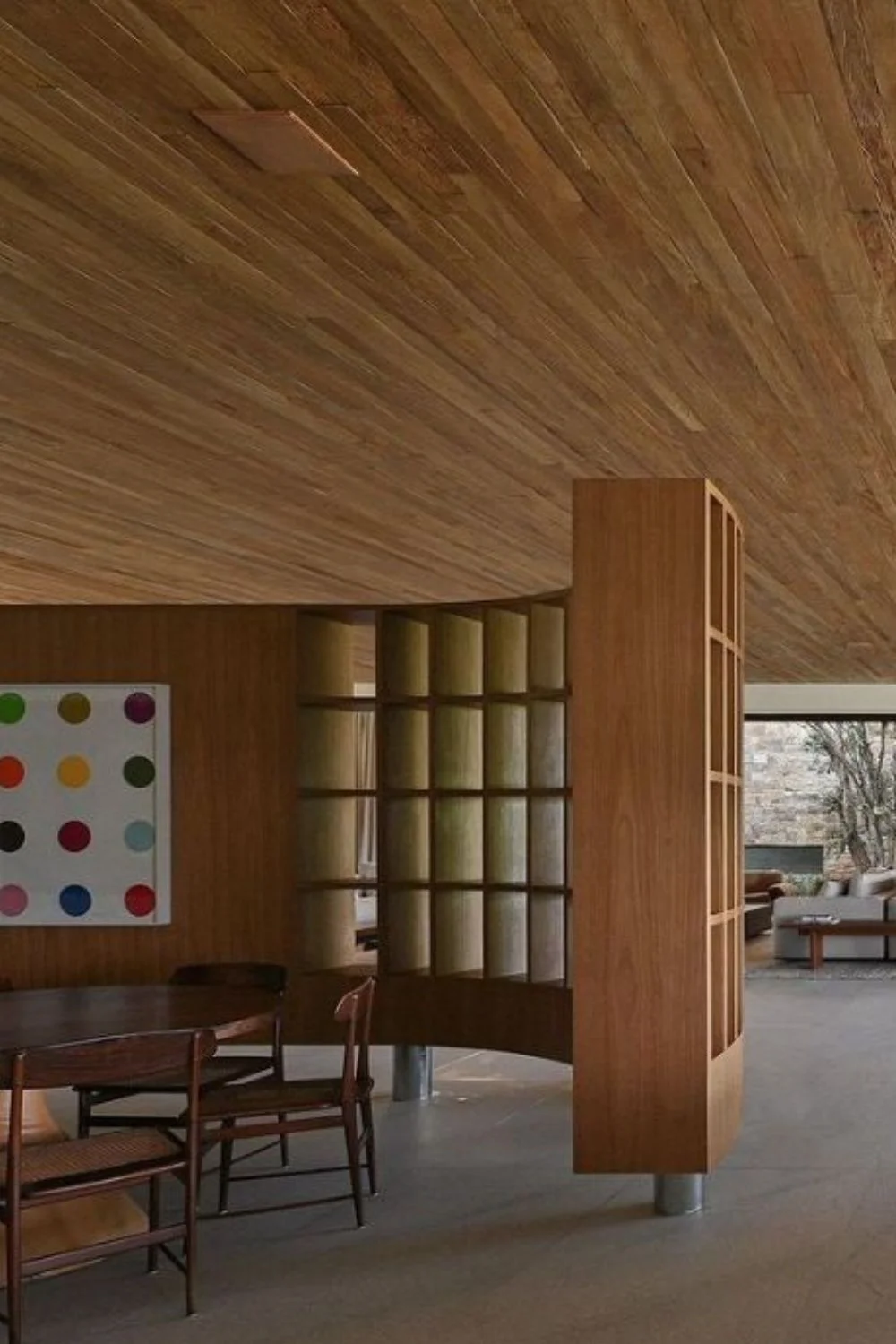
Increasingly, design-led partitions and considered furniture pieces are being embraced to elevate both function and form through materiality, texture, and tone. Each intervention introduces division with intention, shaping spaces that reflect a considered aesthetic sensibility.
Learning from Levels
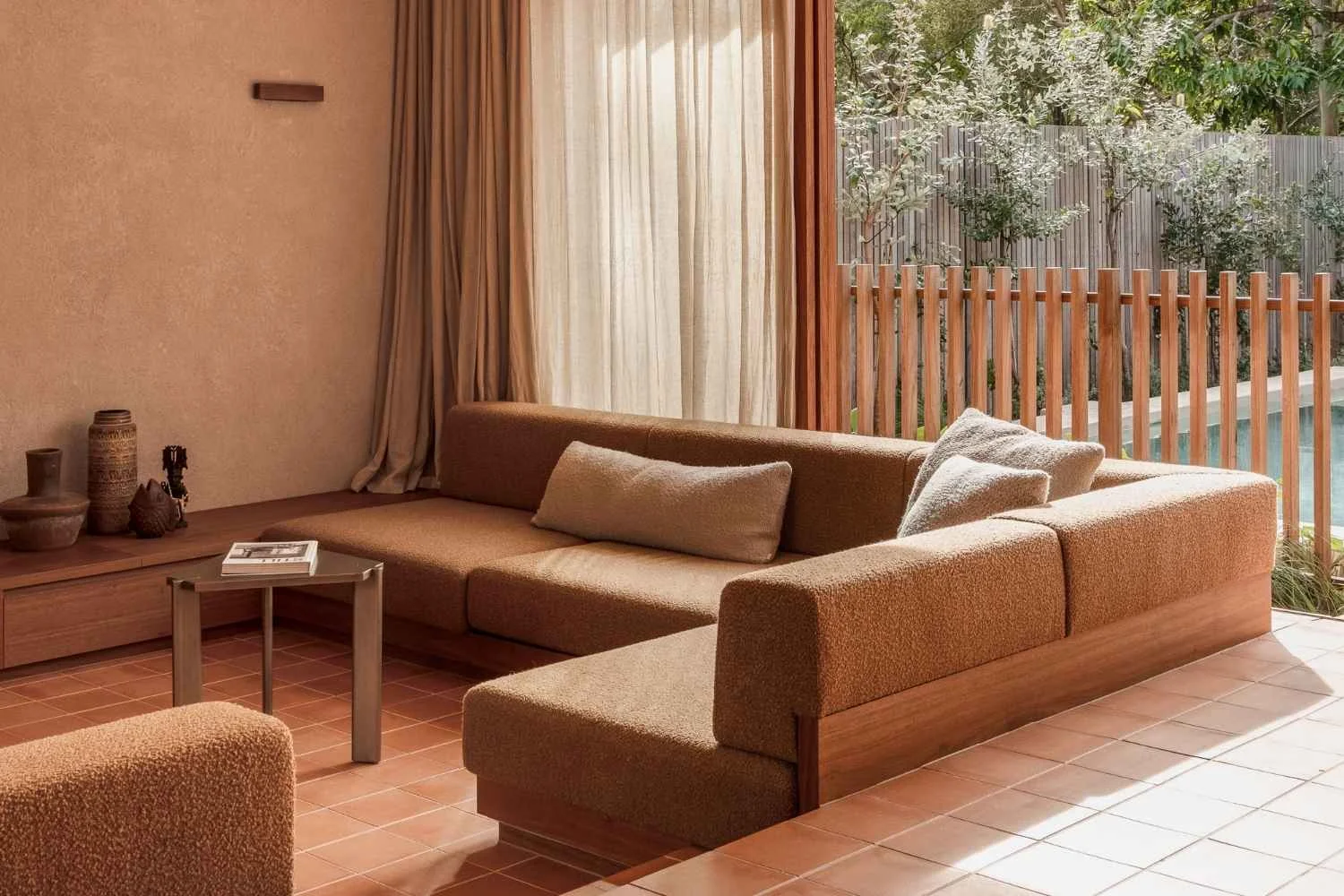
Even a modest change in level, just one step up or down, quietly tells you that you've moved into a space designed for a different purpose.
It creates a sense of arrival without physically closing anything off.
With the resurgence of 1960s conversation pits, there is a renewed appreciation for spaces that feel enclosed and intimate without being fully separated. These sunken zones offer a subtle distinction within open-plan living, fostering connection while maintaining a sense of retreat.
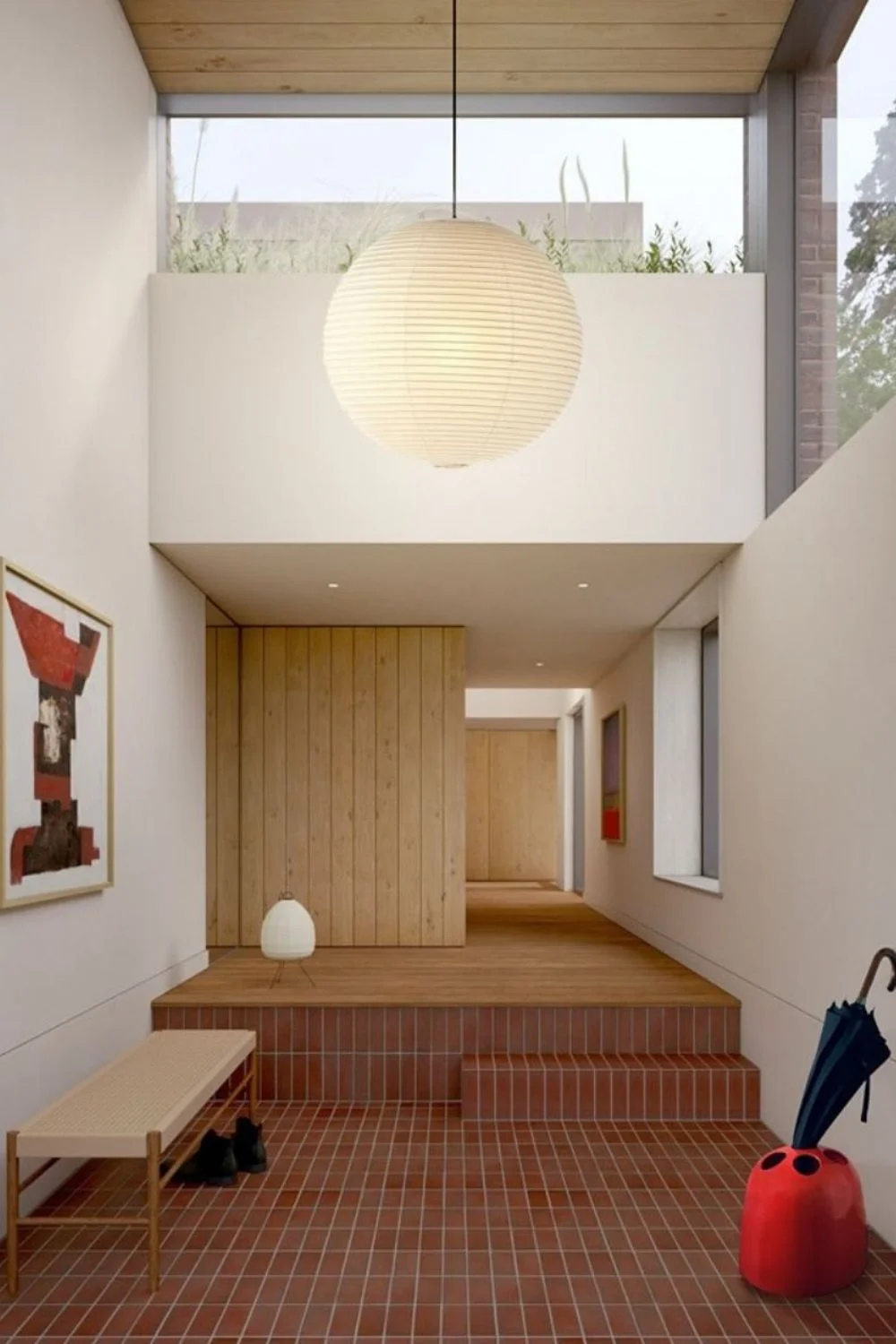
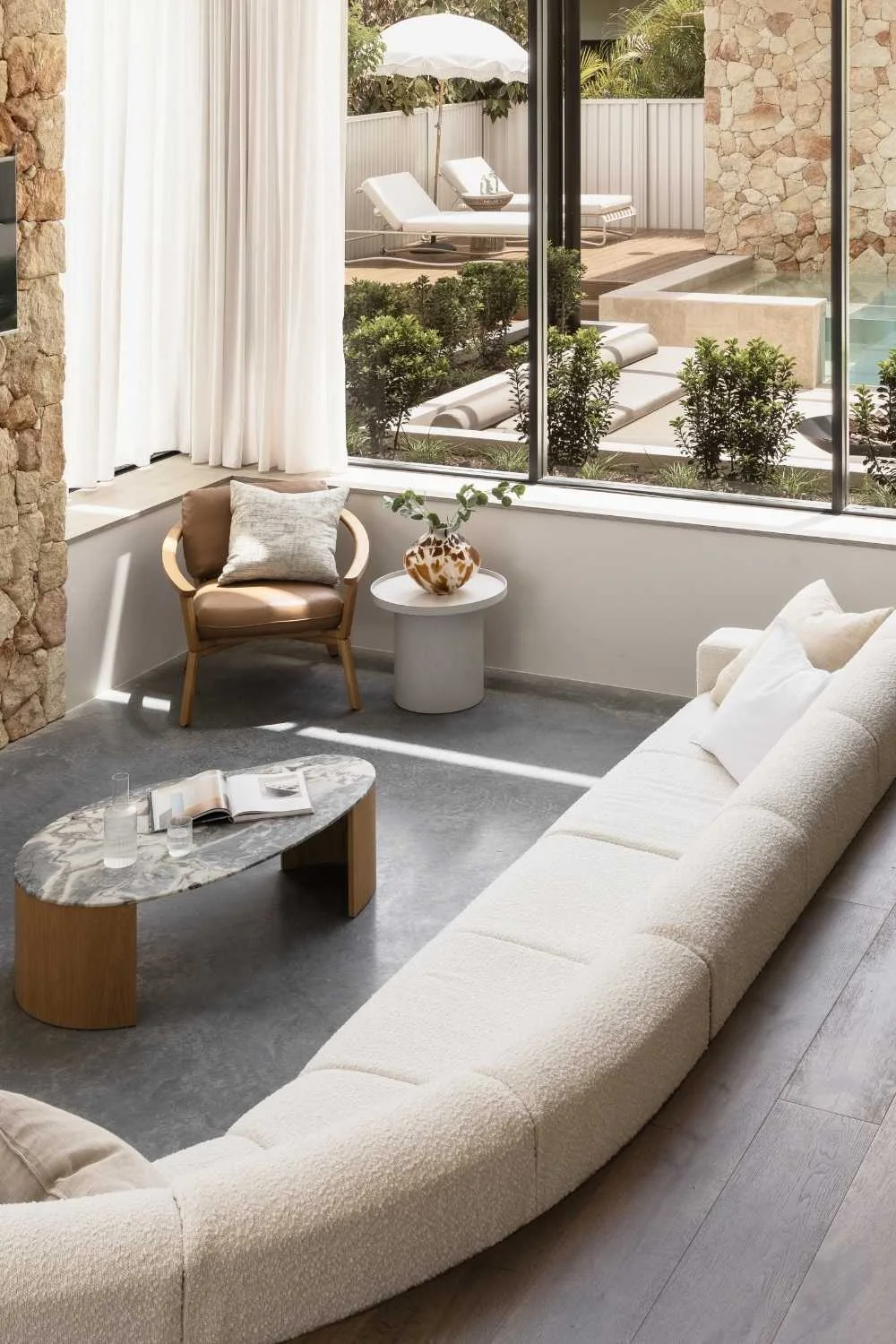
Gentle changes in floor level can also play a role in shaping how sound moves throughout an area.
A sunken seating area set below the plane of kitchen activity naturally creates a softened acoustic buffer. While it doesn’t fully isolate noise, it reduces it, allowing the space to feel more attuned to quiet moments.
The Power of a Good Nook
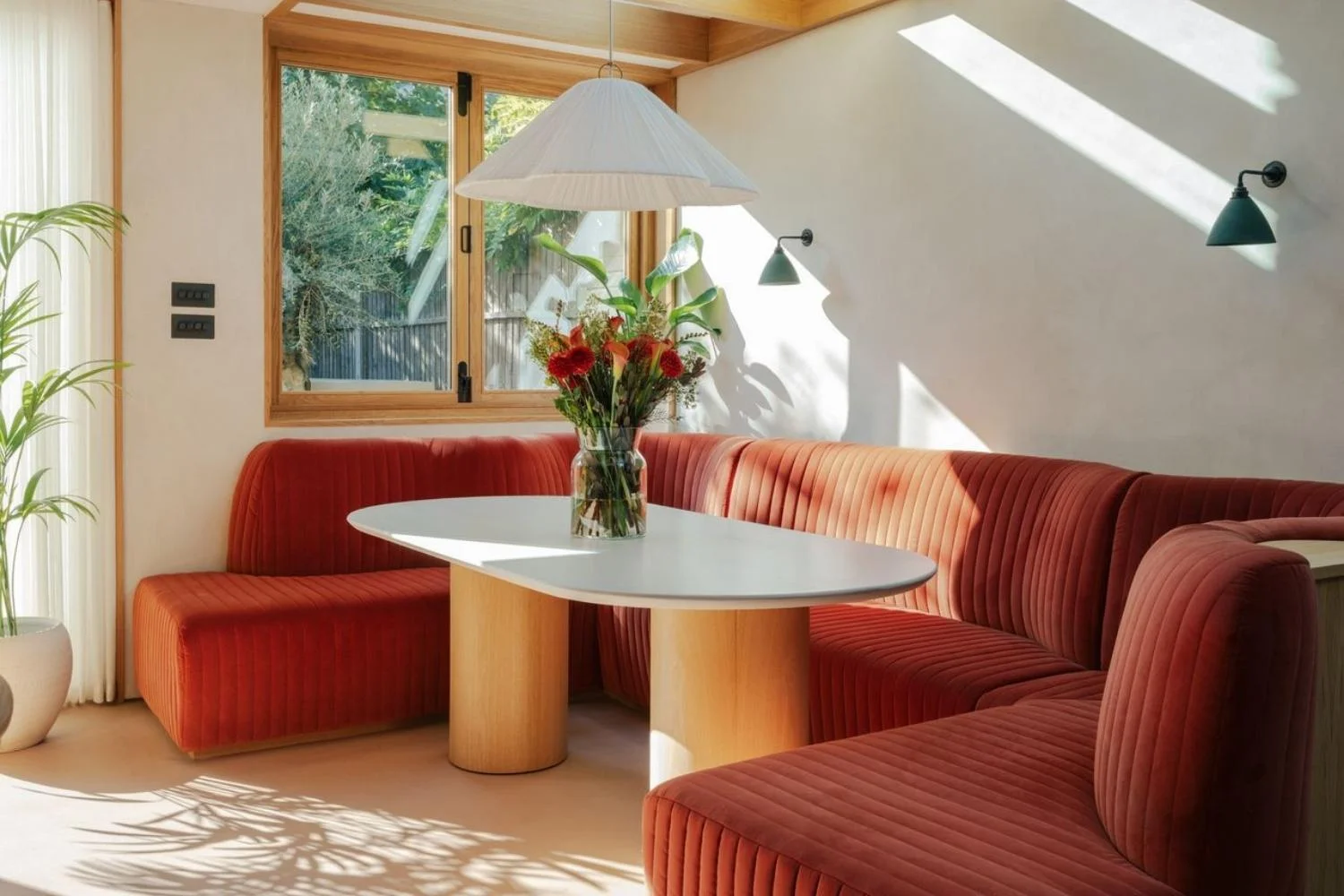
Though modest in footprint, a well-placed nook speaks volumes about how a space is meant to be used.
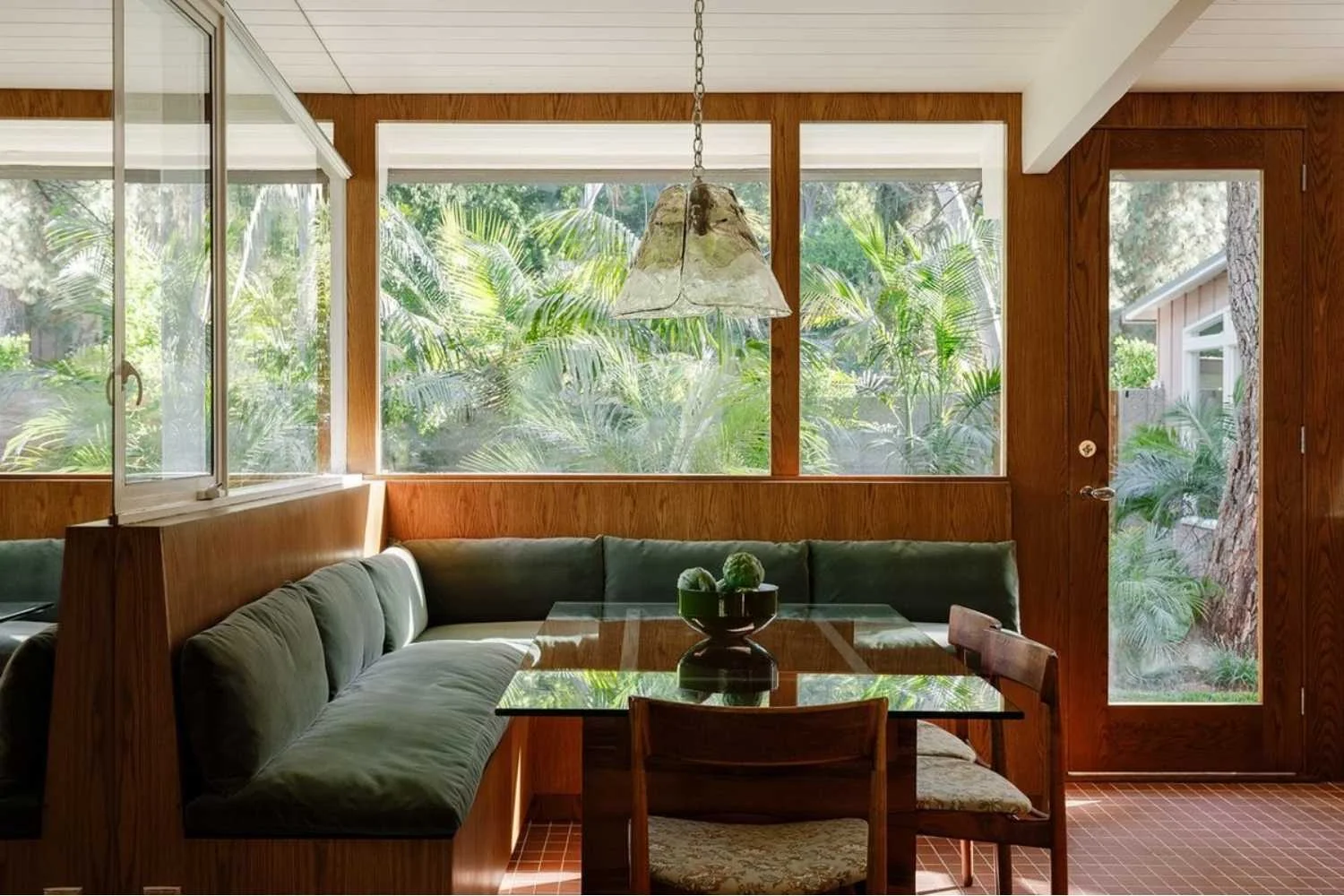
A window seat with a cushion and a shelf says this is where you come to read. A built-in bench beside the kitchen says this is where morning coffee happens. By being small and specific, nooks or banquette seating give daily habits a home, and when rituals have a place, they're more likely to happen.
Open-plan living turned every space into an everything space, and the result is that nowhere feels like it belongs to one activity. A nook pushes back against that. It's unapologetically single-purpose, and that specificity is what makes it feel like a luxury.
A breakfast nook with banquette seating does something a kitchen island with stools can't, it encourages people to face each other, connect, and settle in.
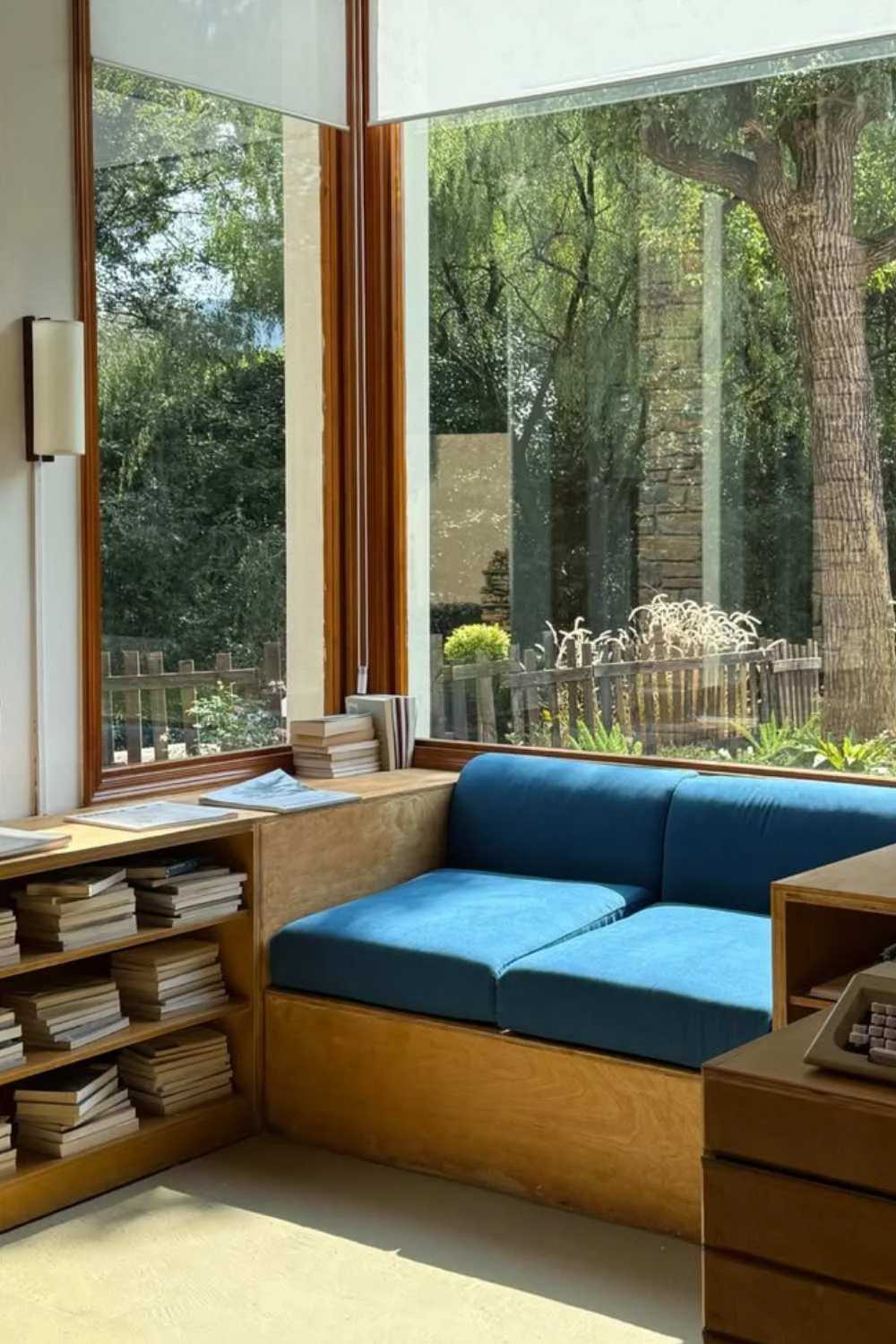
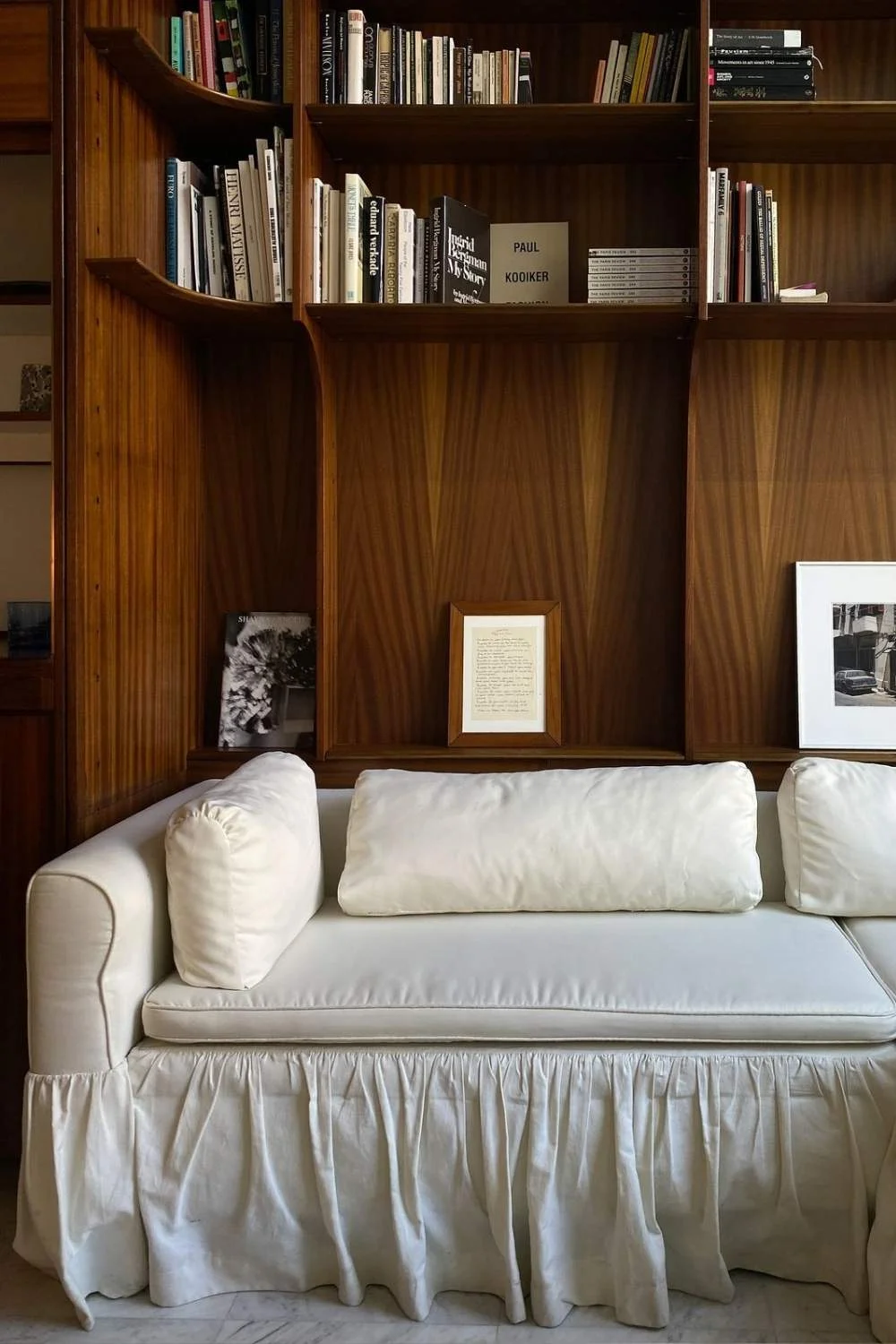
In a culture that optimises everything, a reading nook is designed entirely for stillness. No screen, no productivity, no multitasking. Just a cushion, some light, and a book. The form is timeless and adaptable, which makes nooks a smart long-term investment rather than a passing trend.
How to Retrofit Without Renovating
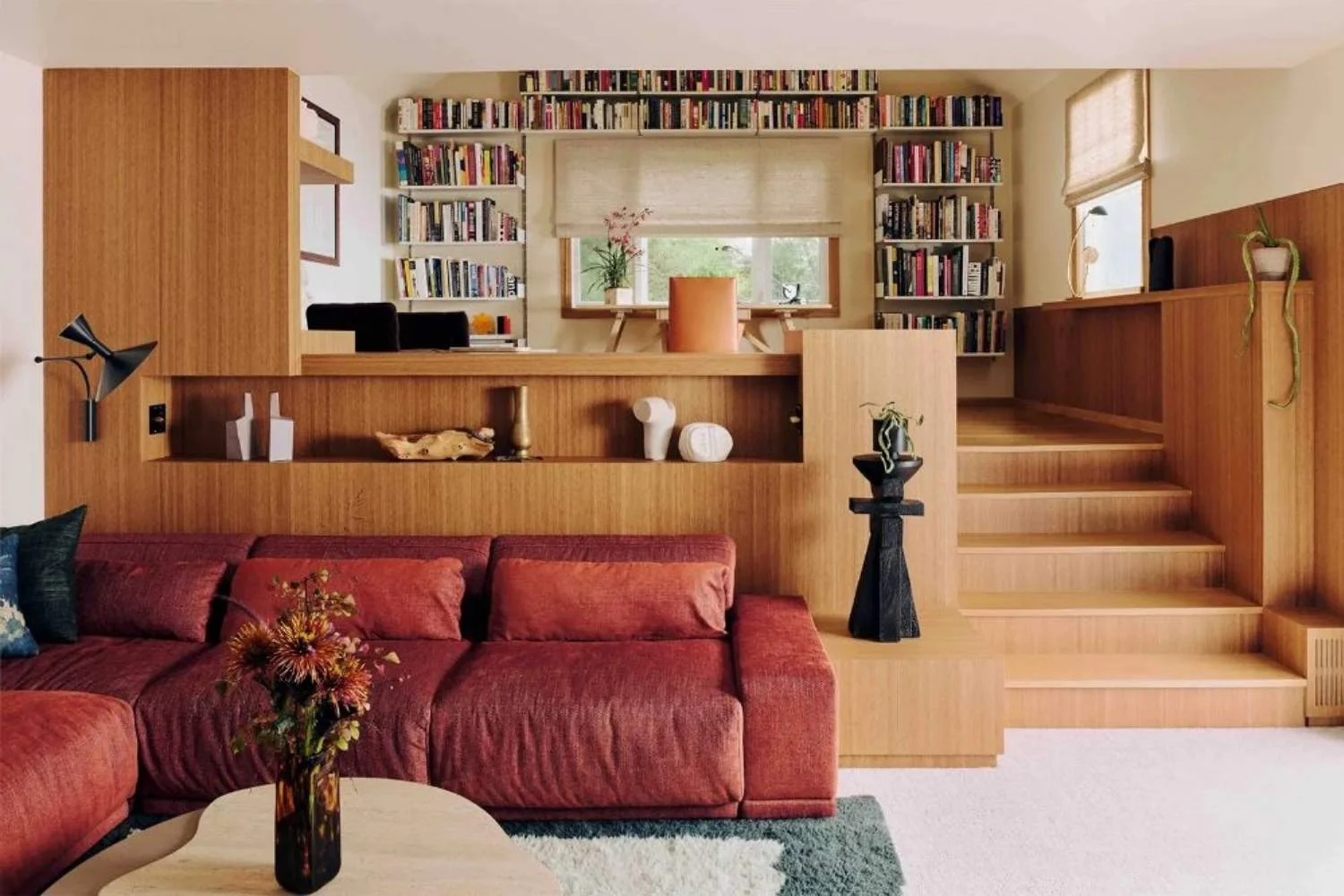
The real power of this shift comes not just from architectural decisions, but from a fundamental change in how we consider the spaces we live in.
It invites a more intentional understanding of the home, where furniture becomes a spatial tool shaping how each area is experienced.
Reorienting what already exists, angling a sofa to form a conversation nook, positioning a desk toward natural light, or clustering dining seating to suggest intimacy can subtly transform both flow and function, without altering the footprint.
Open-plan living brought light, volume, and connection, qualities that remain essential. What’s now emerging is a more nuanced approach: one that layers in quiet corners and purposeful zones, creating spaces that allow for pause.
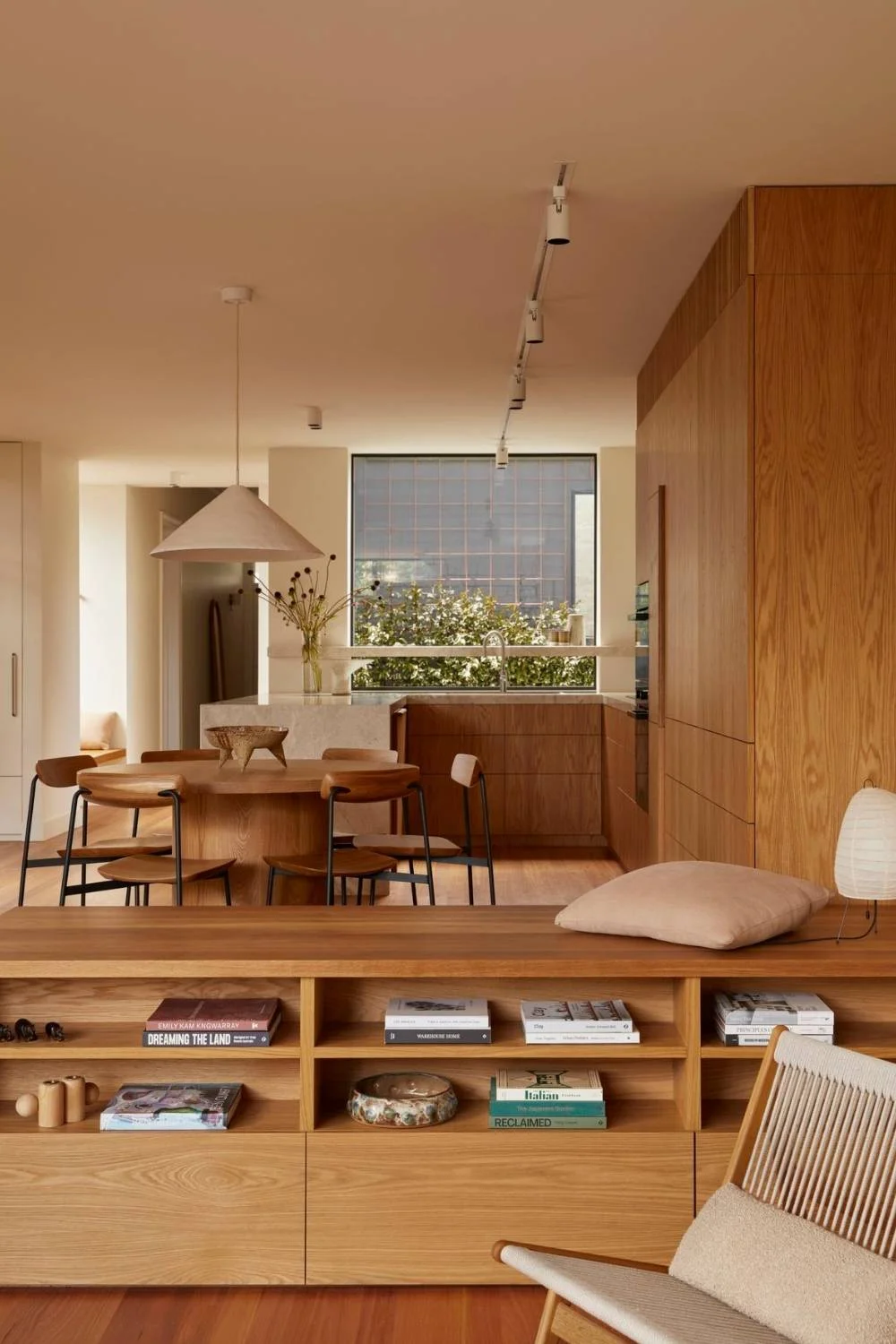
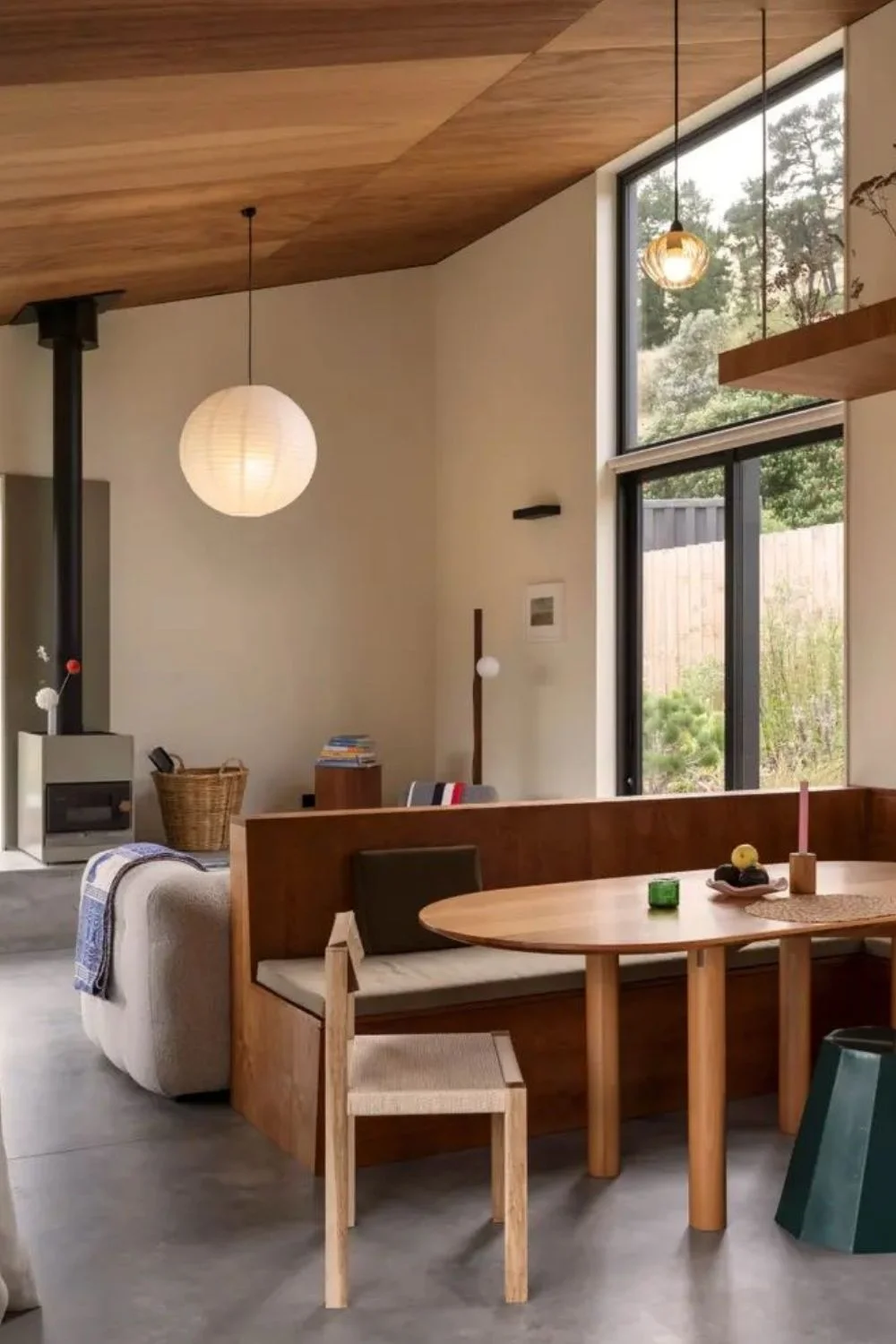
Rather than a rejection of open-plan living, this shift signals a more purposeful approach to space. As lifestyles evolve, so do our homes, moving toward a middle ground that retains light and connectivity, while reintroducing the boundaries essential to everyday living.
The intention is not to abandon openness, but to refine it.
Enjoy reading this blog? Find more interior inspiration here:
Understanding Interior Architecture
Modern Interior Design: Elevate Your Home With Form & Function