Our Range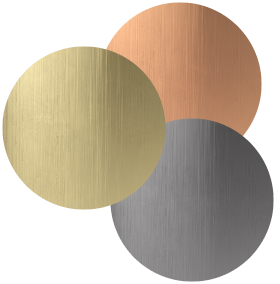







How to Create an Interior Design Moodboard
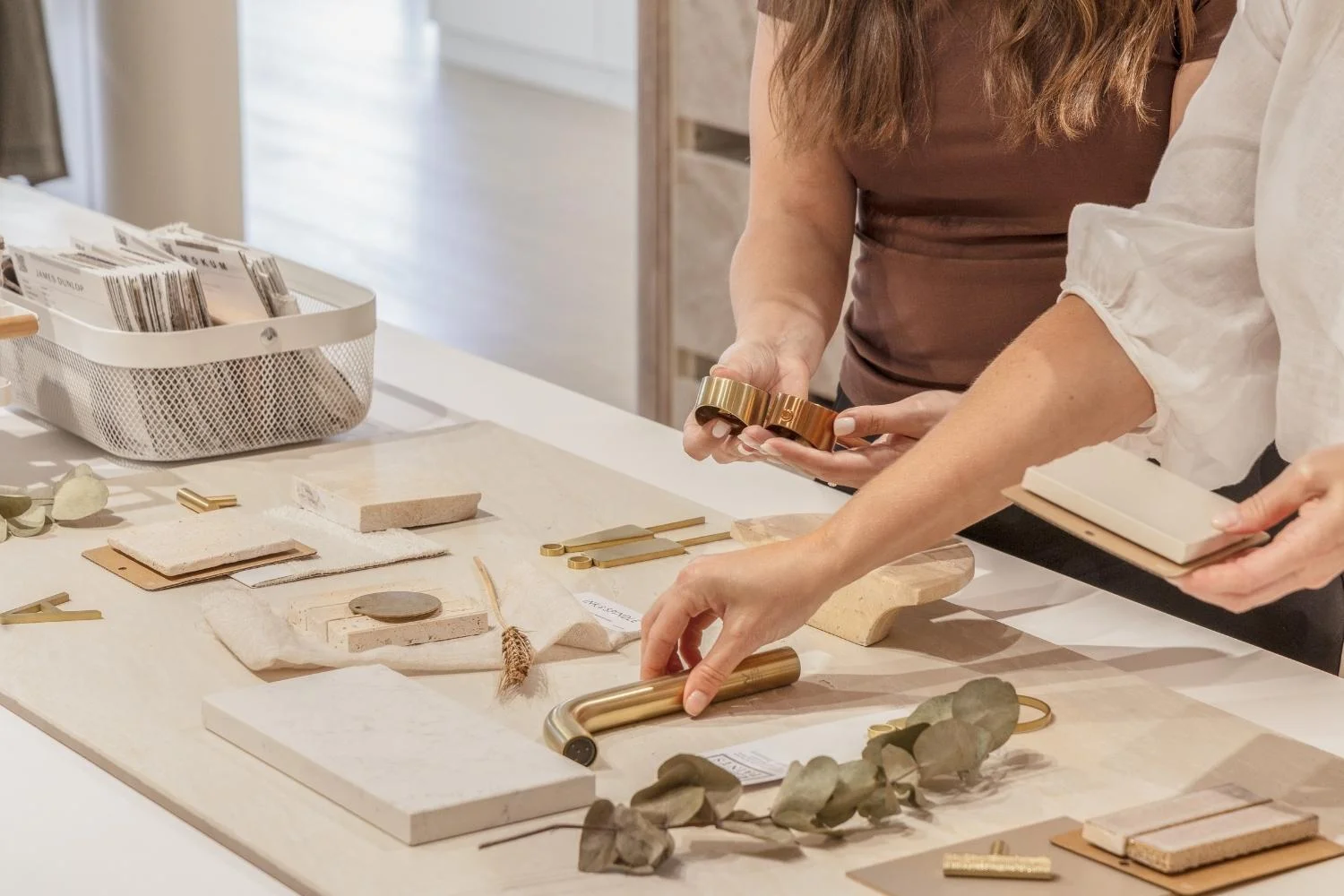
An interior design moodboard helps define a space's look and feel by bringing together key elements like colour palettes, textures, textiles, and materials into a single, unified concept.
By organising ideas visually, moodboards transform abstract inspiration into a clear and tangible design direction. As a crucial step between the initial concept and the first draft, they play a key role in both interior design planning and presentation.
Their thoughtful combination of elements and juxtaposition of styles can also spark fresh ideas, making moodboards not just practical tools but a rich source of creative inspiration.
Learn how to create a moodboard for interior design with this step-by-step guide. Whether you’re planning a full renovation or refreshing a single room, moodboarding helps you clarify your design vision, stay aligned with current trends, and establish a cohesive concept from the outset.
The Purpose of an Interior Design Moodboard
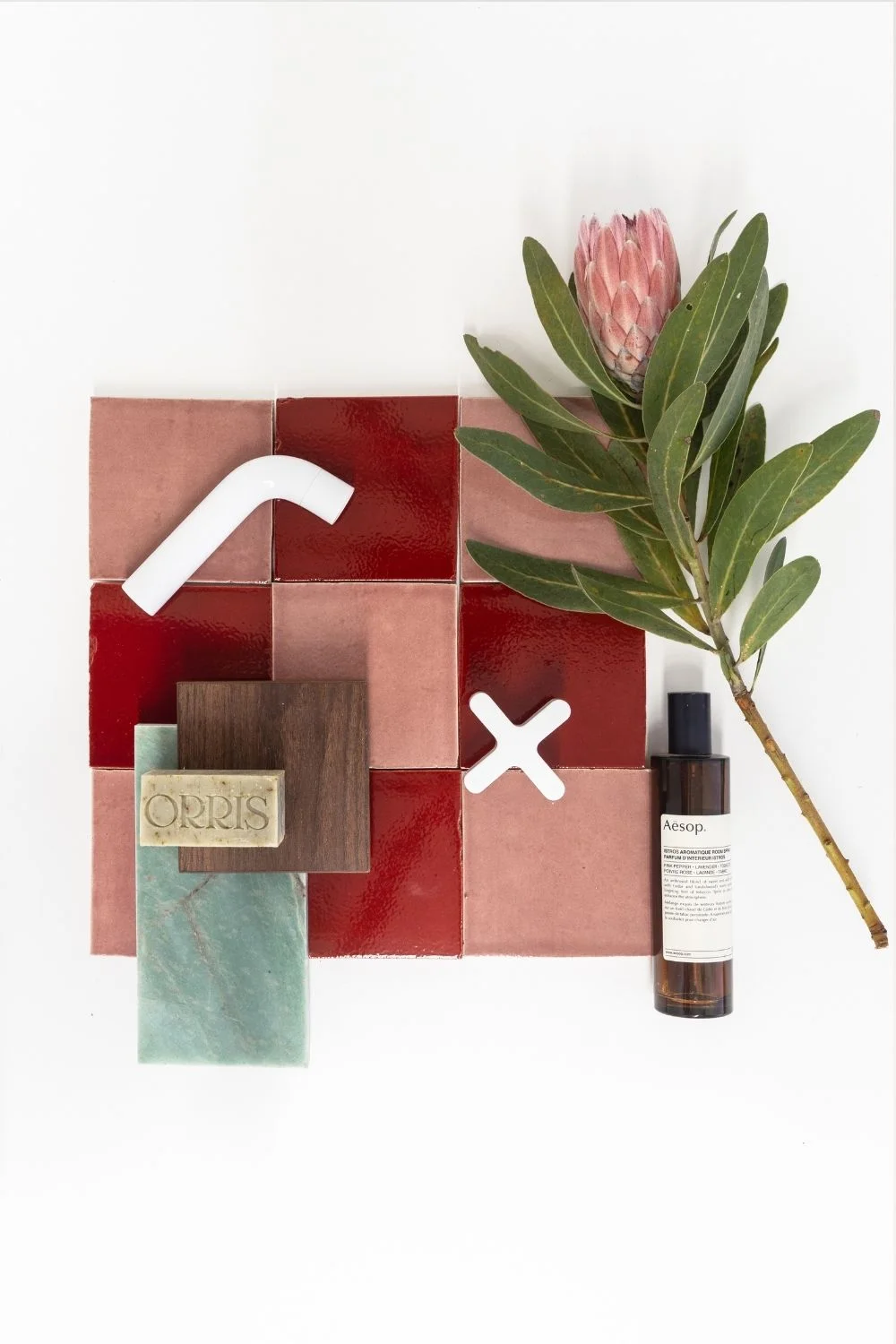
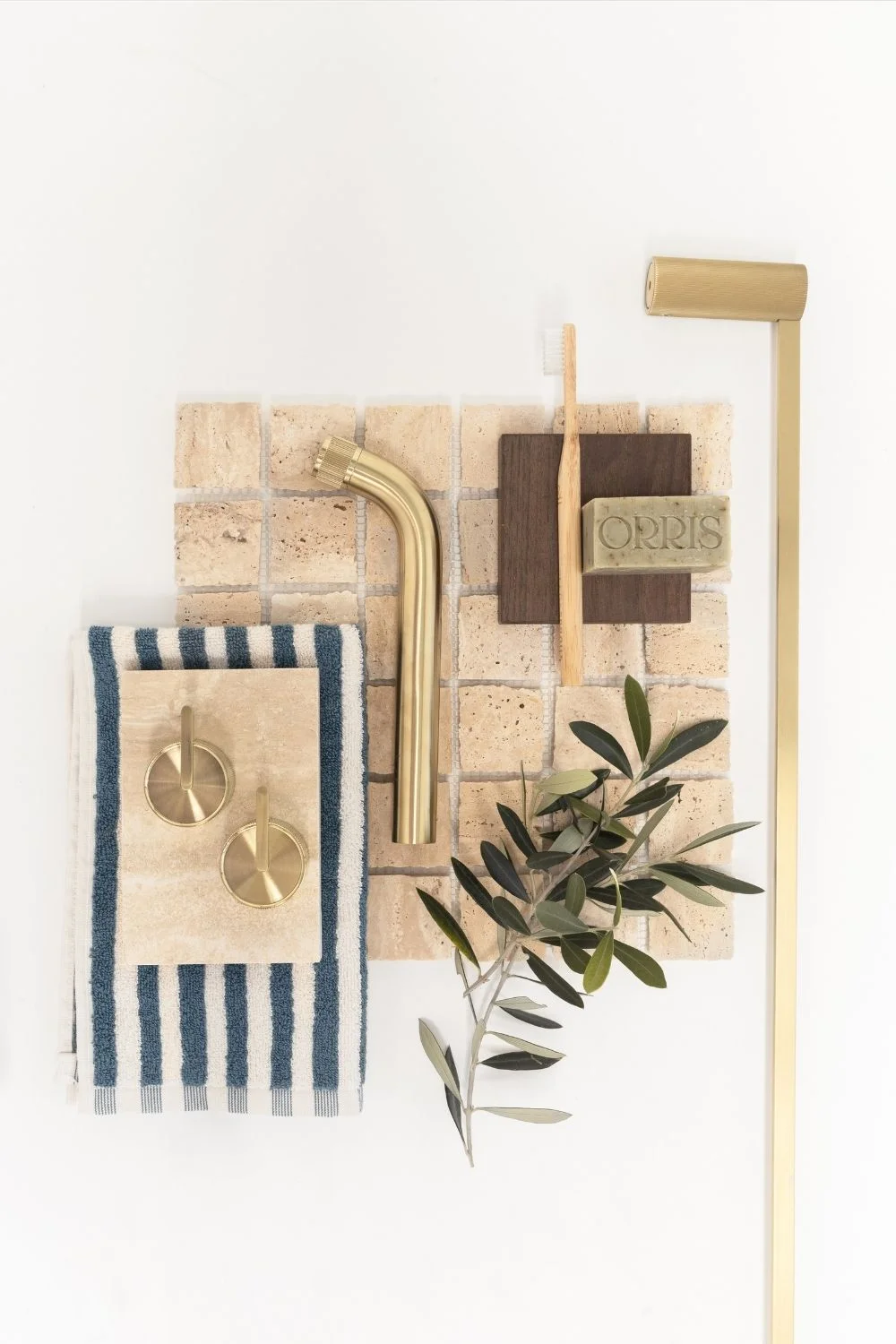
A picture may be worth a thousand words, but a moodboard tells the whole story…
So, why use a moodboard? We’ve narrowed down the three key reasons why moodboards will have a positive impact on your interior design projects:
Inspiration
Interior design moodboards reflect both the visual style of a project and the atmosphere you want to evoke in the space. Their adaptable nature encourages experimentation and inspires creative possibilities.
Whether you’re starting from scratch or already have an idea in mind, this visual planning phase brings clarity to your selections. It’s also a practical tool that allows others to engage with your ideas, offering fresh perspectives and creative input.
Direction
Once you’re ready to move forward with a clear vision, your focus often shifts to managing tasks and coordinating with different trades. At this stage, it’s easy to lose sight of the original purpose behind your project. An interior design moodboard is the perfect way to keep all your initial goals and ideas in one place. You can easily revisit it to ensure your latest concept still aligns with your original vision.
Creative Communication
Creating a moodboard is a powerful way to understand and communicate ideas visually. Whether you're collaborating with interior designers, builders, or clients, moodboards help bridge the gap between envisioning a space and bringing it to life — offering far greater clarity than words alone.
Effective collaboration depends on everyone sharing a clear understanding of the goal, and a visual representation makes it easier to give specific feedback on each element.
Interior Design Moodboard Step-by-Step
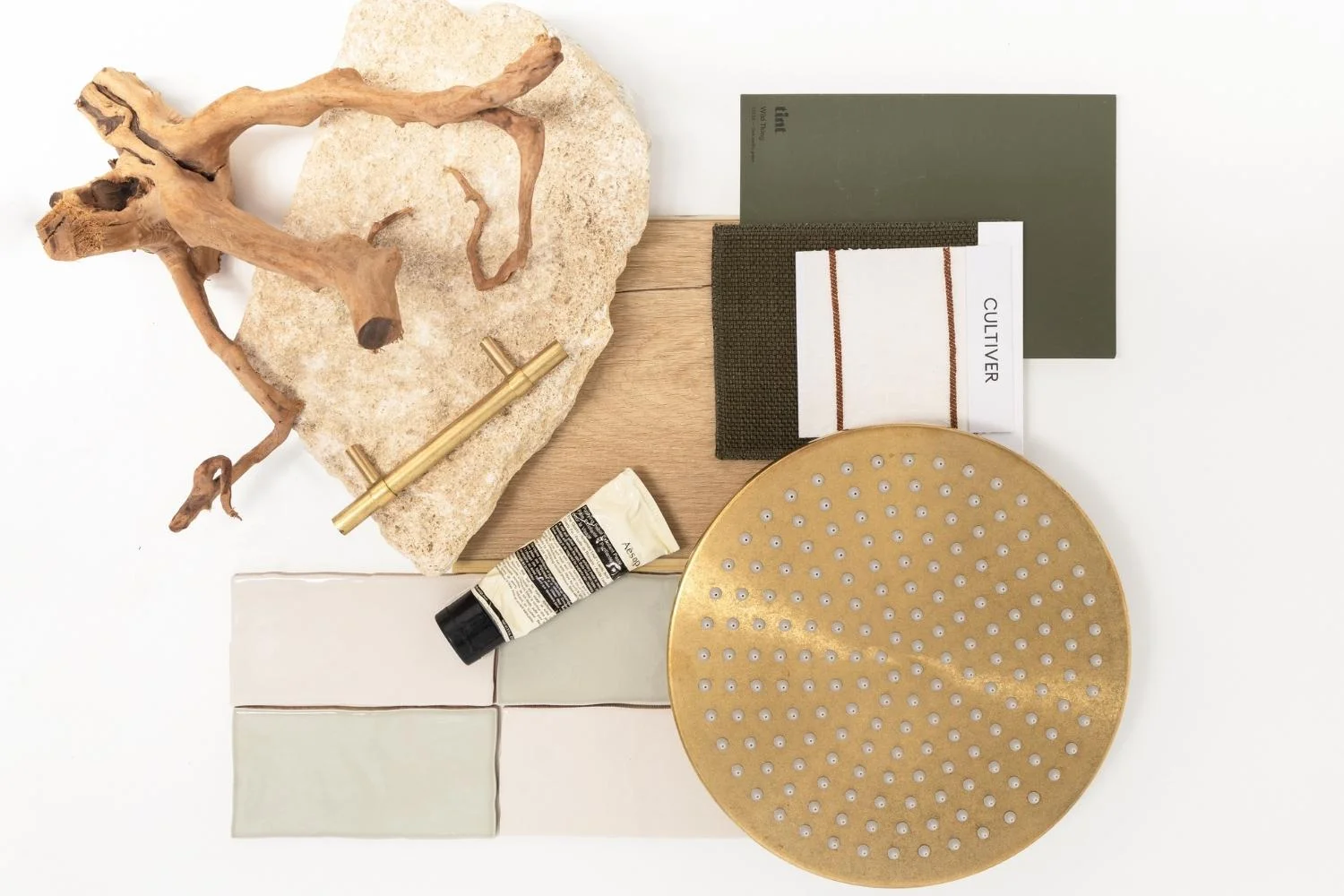
We’ve designed this step-by-step guide to get you started with your interior design mood board:
Confirm Your Theme
Begin your moodboard with the ideas you’ve already gathered, whether that’s colour palettes you’ve noted, favourite interior influences, or Pinterest posts you love.
This goes hand in hand with defining the atmosphere and feeling you want your space to evoke. Whether it’s minimal, bold, or coastal, these keywords unlock the mood for the room, so select those that resonate with you the most.
These initial themes will inspire your colour palette — whether it’s neutral, earthy, or pastel — and guide your choice of materials that align with the style.
These themes also make it easier to search online for inspiration or specific images to include in your final moodboard. Explore a variety of moodboard maker interior design platforms, including Pinterest, Instagram, Unsplash, and popular home decor websites, to gather inspiration and visualise concepts.
If ideas aren’t flowing easily, interior design magazines and publications are a fantastic place to jumpstart your creativity. Our blogs on The Interior Edit offer a curated mix of insights, ideas, and inspiration for your home design.
Alternatively, you can build your interior design moodboard around a single item you feel connected to — whether it’s a favourite artwork, a piece of antique furniture, or a souvenir you’ve picked up on your travels. This personal touch provides a strong foundation from which you can combine cohesive colours and textures to shape your overall design.
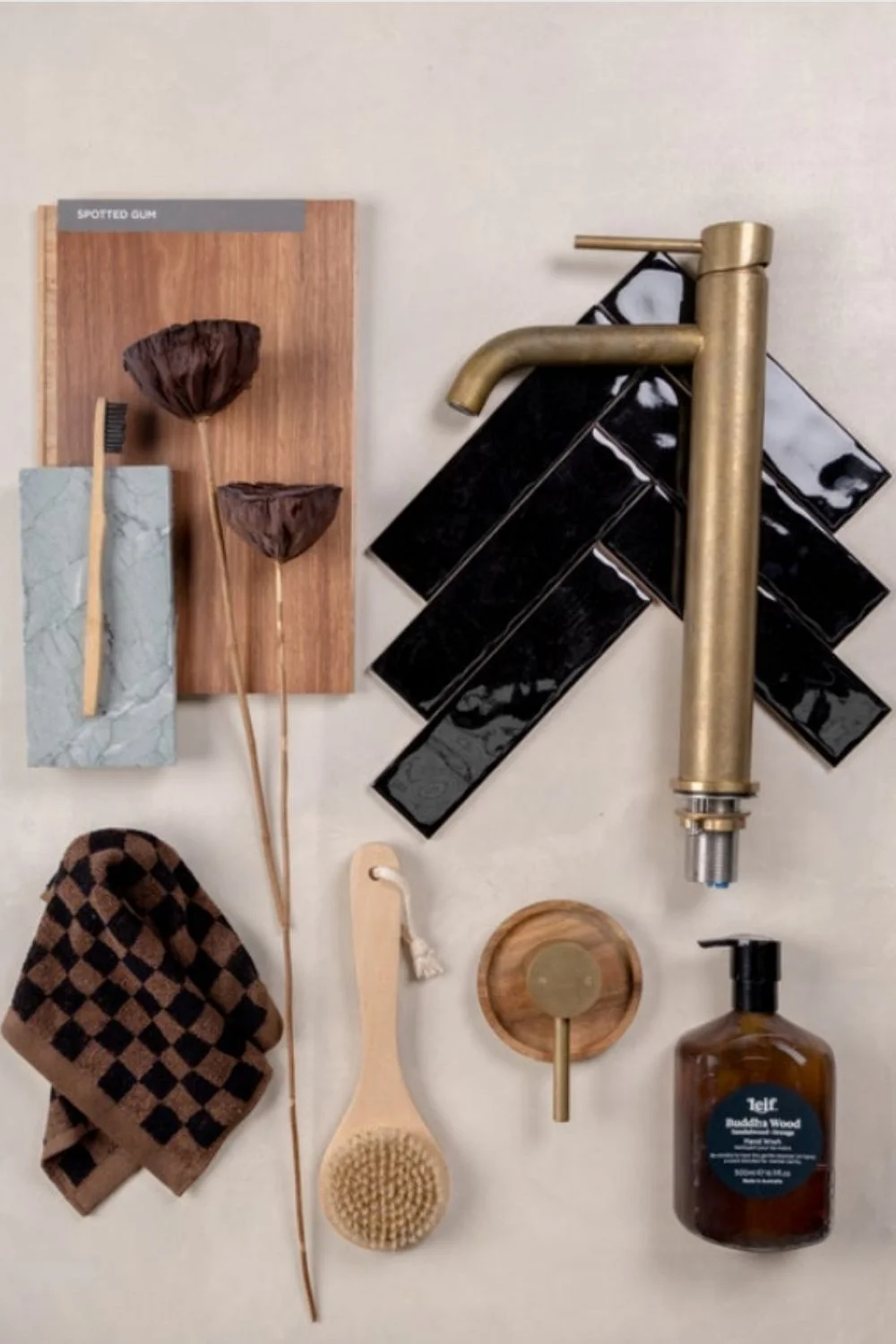
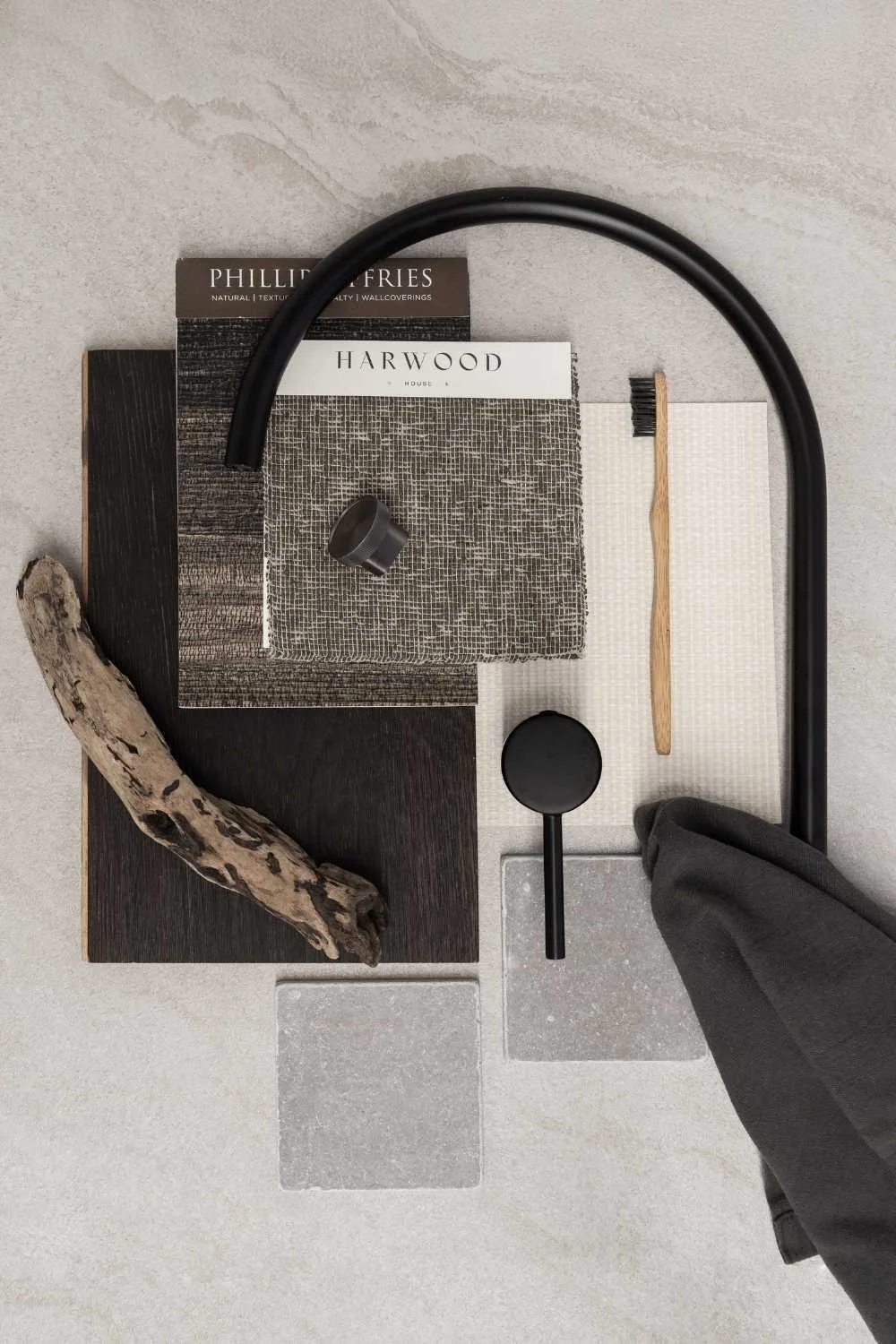
Gather Your Elements
Once you’ve settled on the theme and direction of your moodboard, covering style, colour palette, and materials, start gathering the pieces that will bring your vision to life.
These elements could include:
- Benchtop finishes
- Window furnishings
- Floor coverings
- Paint swatches
- Wallpaper samples
- Furniture
- Fixtures
- Artwork
- Accessories
Fortunately, many suppliers offer samples to try, whether you’re shopping for tiles, curtains, or other materials. Having product samples on hand is one of the best ways to experiment with colour and texture before committing to a full purchase, especially when working with a physical interior design moodboard.
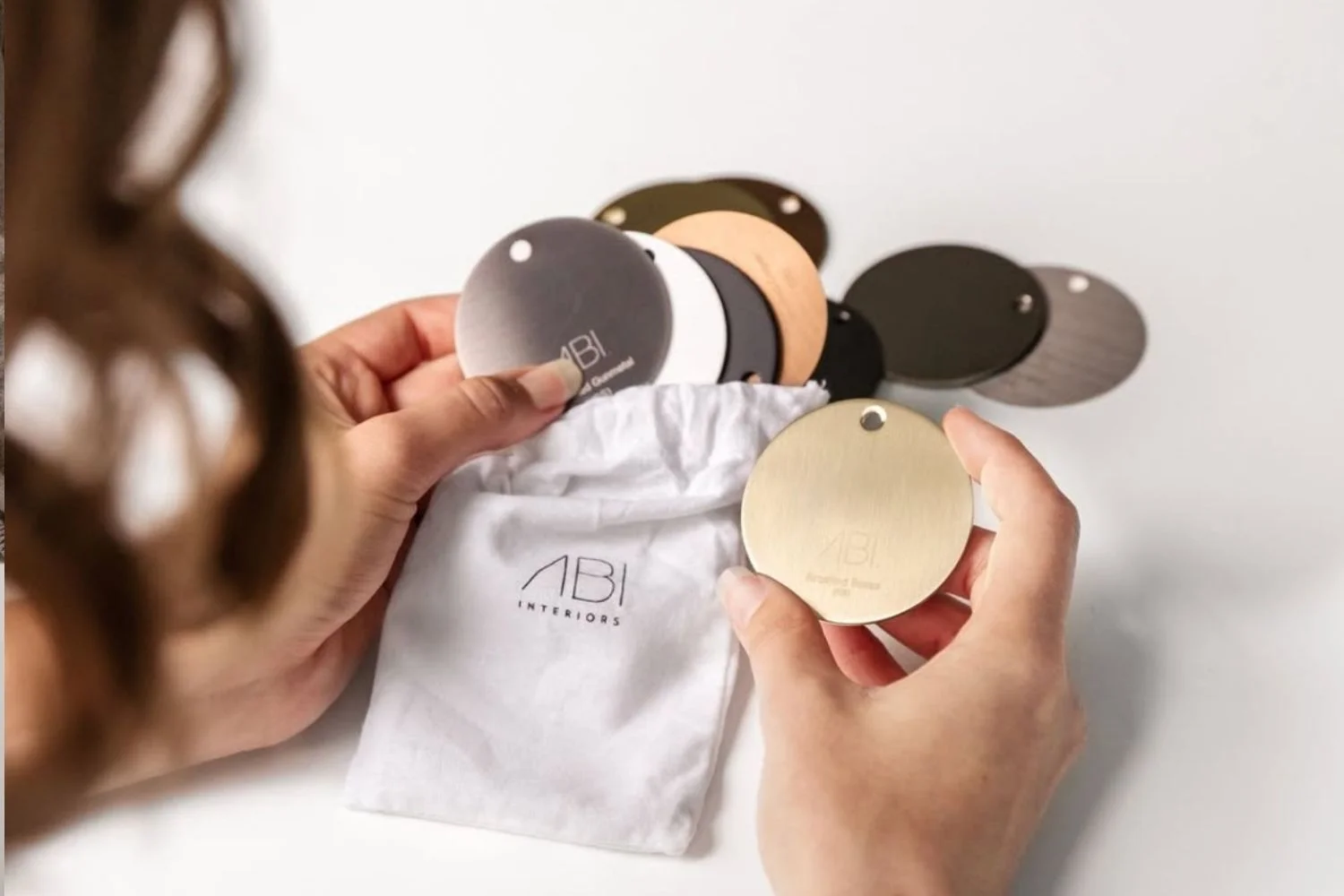
When selecting from our range of vanities, tiles, basins, showers, and tapware, ABI Interiors offers a range of colour samples designed to give you an accurate sense of how our finishes will look and feel within your space, perfect for creating a moodboard for your bathroom, kitchen, or utility room.
Digital vs Physical Moodboards
More people are turning to digital tools, apps, and shareable platforms to create interior design moodboards, appreciating their adaptability and user-friendly features throughout the design process. Canva, in particular, stands out as a user-friendly tool that brings together all elements of your design into one cohesive concept.
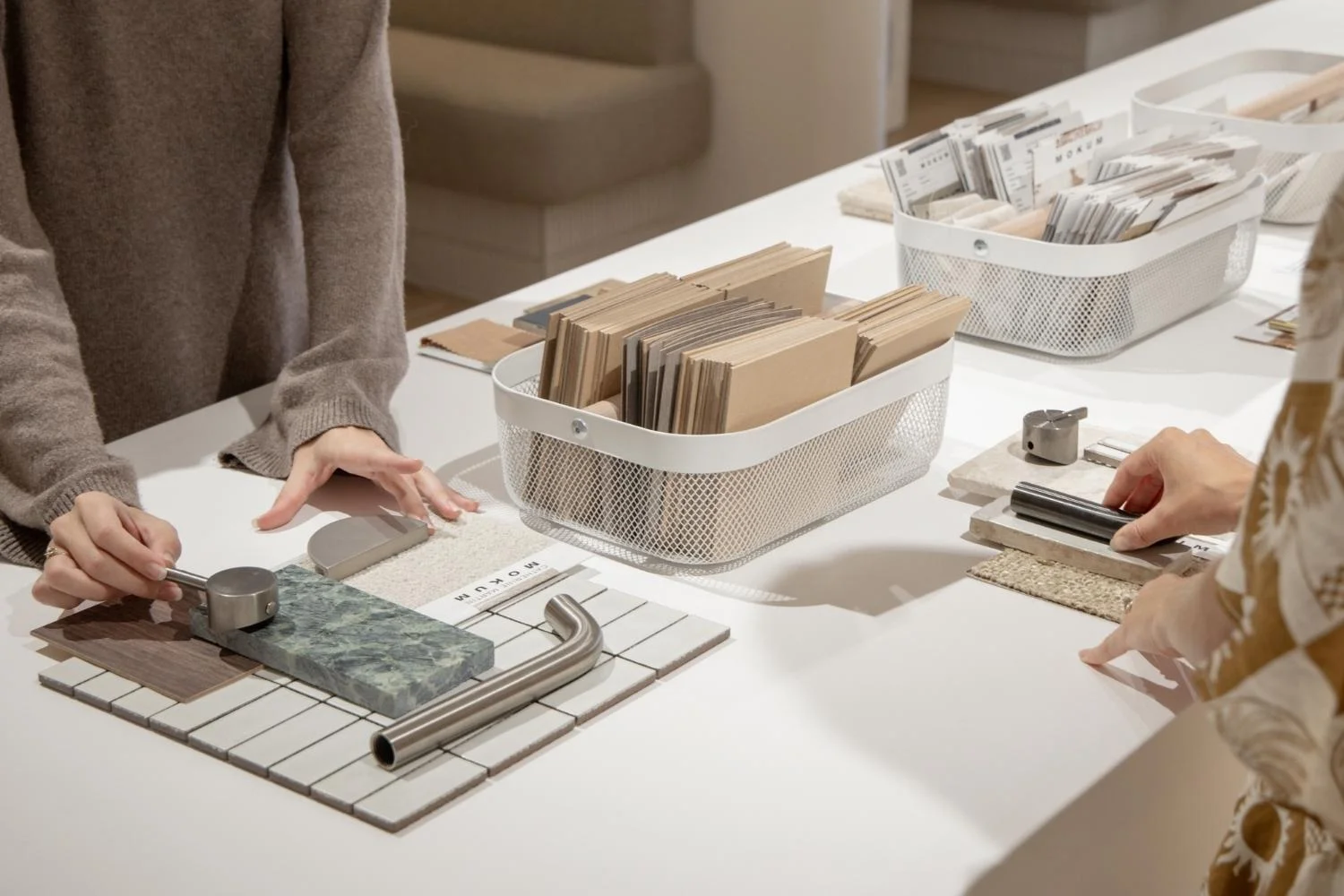
However, the tactile experience of physical samples, from wood and stone to tiles and textiles, helps bring your ideas to life through look and feel. Touching the textures and seeing how each finish will look in the room's natural light allows for more accurate design decisions to suit the space.
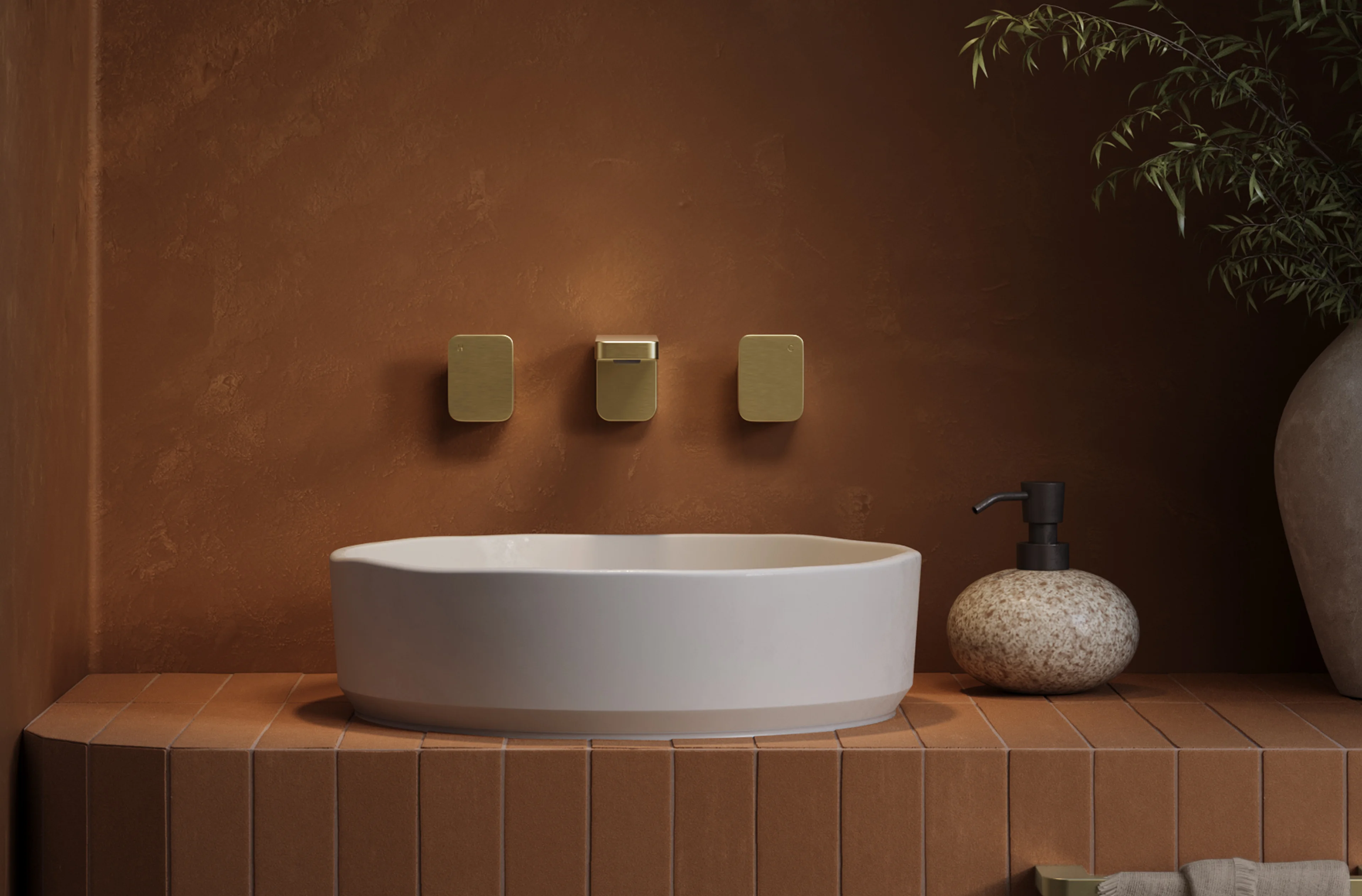
For example, the veining of a marble bathroom vanity might enhance the golden tones of brushed brass fixtures, or the texture of travertine tiles could match the organic finish of a concrete basin. A physical moodboard opens up possibilities that digital options simply cannot replicate.
Curate and Present
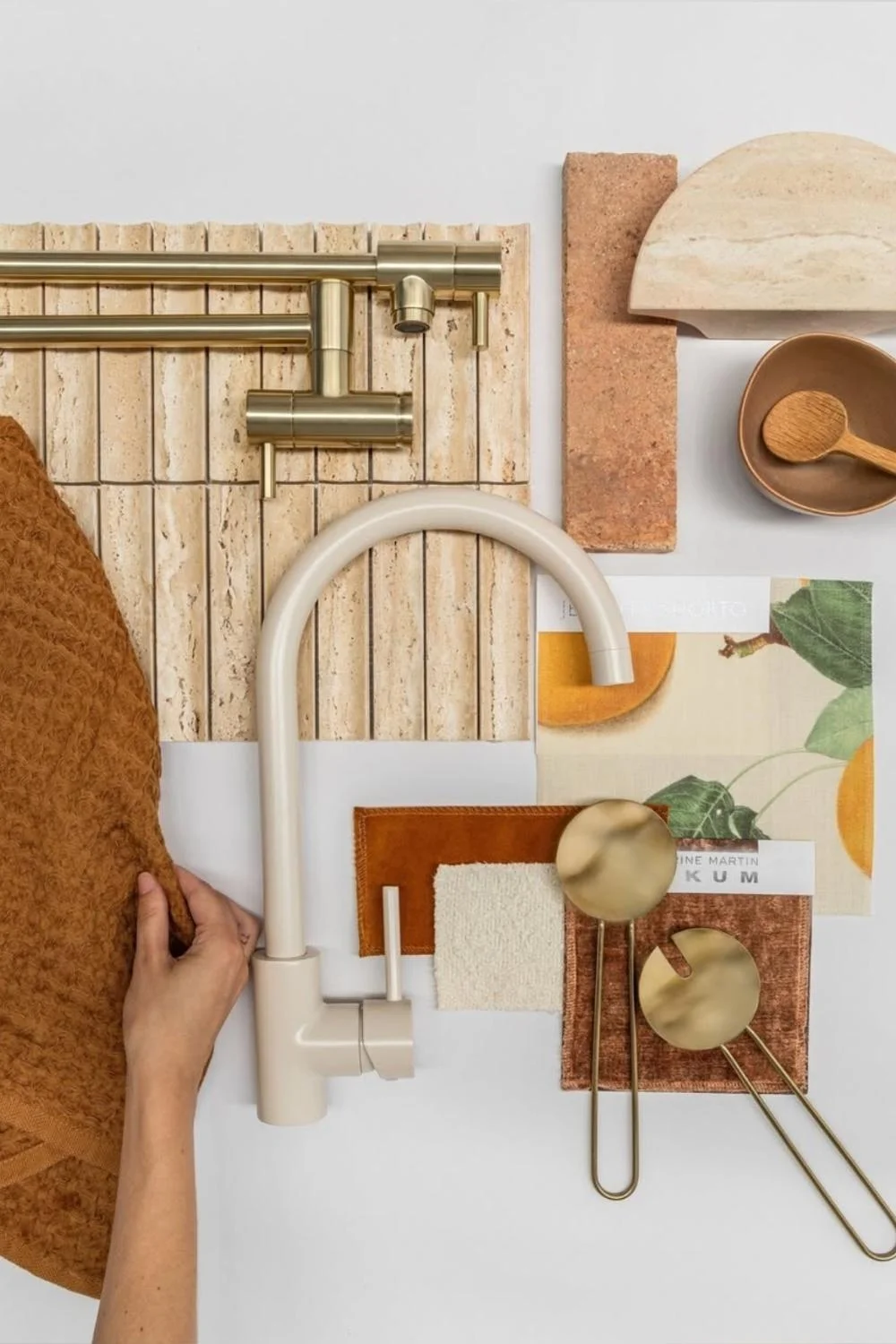
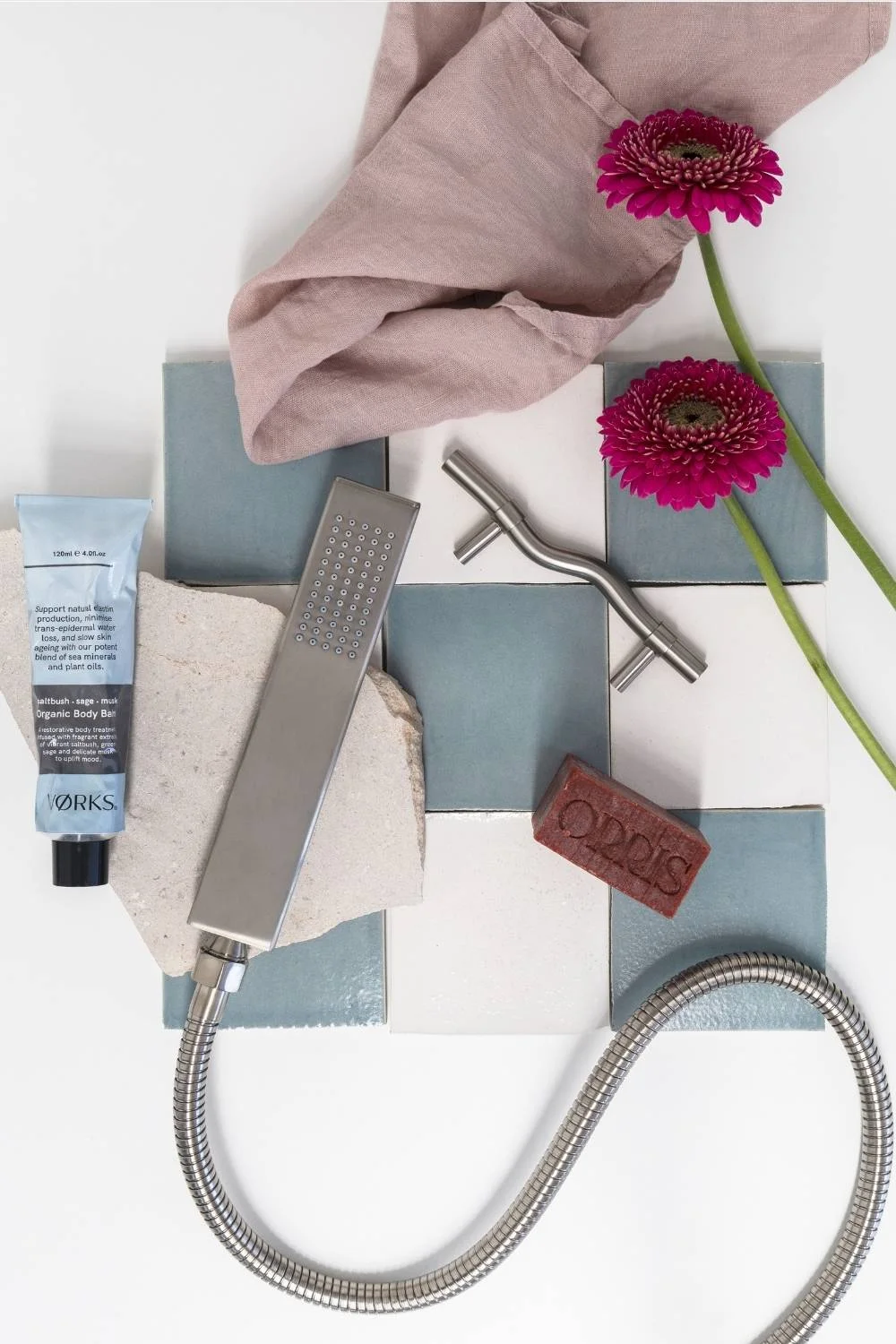
By now, you’ve likely collected more elements than needed for your interior design moodboard. Focus on selecting pieces that blend well together, and discard any colours or textures that don’t support your central theme.
Take a step back to reflect on the overall design and see if it aligns with your original concept. Any creative process takes time and various attempts, so trust your instincts. If something doesn’t feel right, rearrange your moodboard until you’re completely satisfied.
The hands-on approach of interior design moodboards offers a clear understanding of your project’s direction while demonstrating how various design elements work together. It also serves as a platform to explore and showcase different styles, trends, and possibilities.
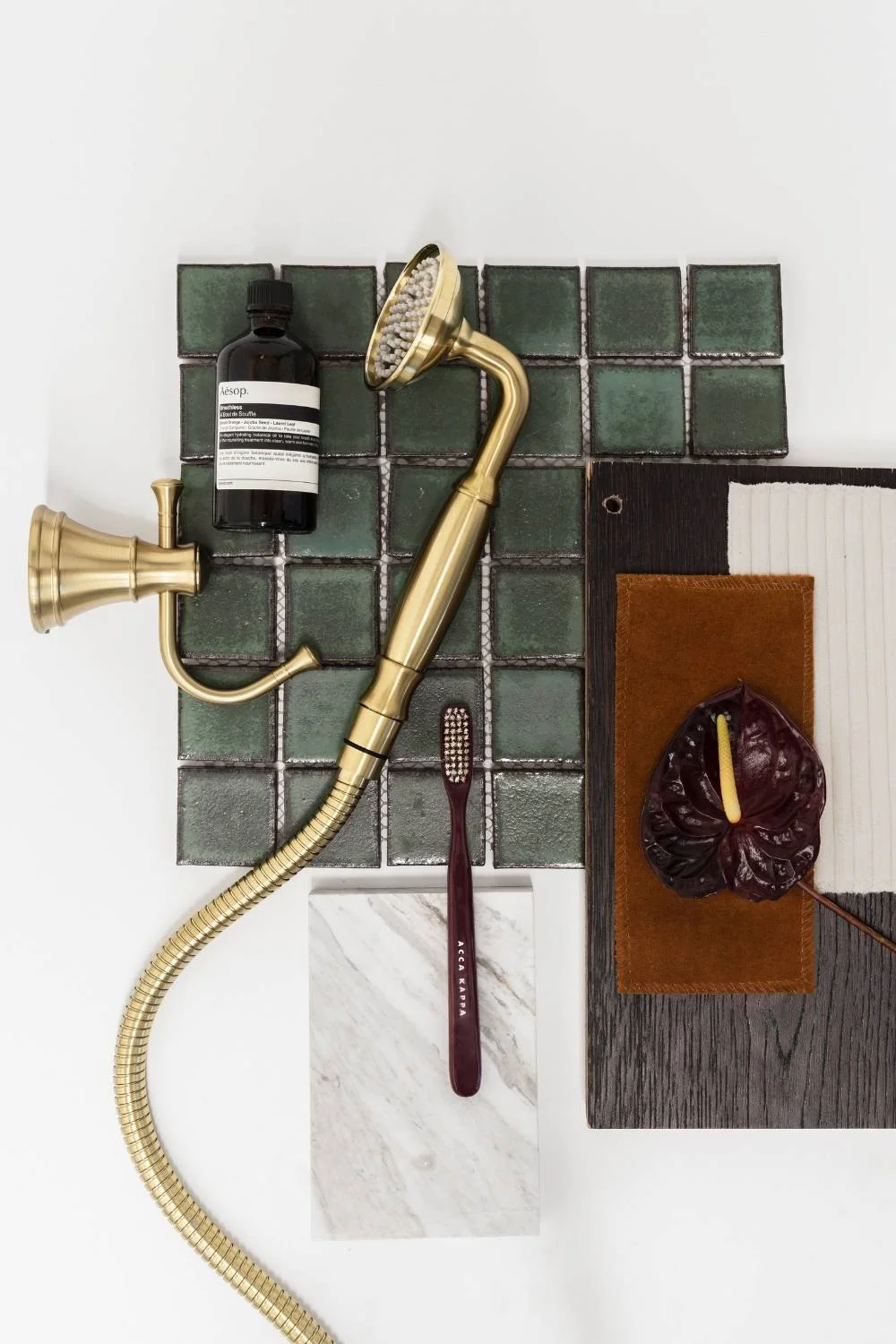
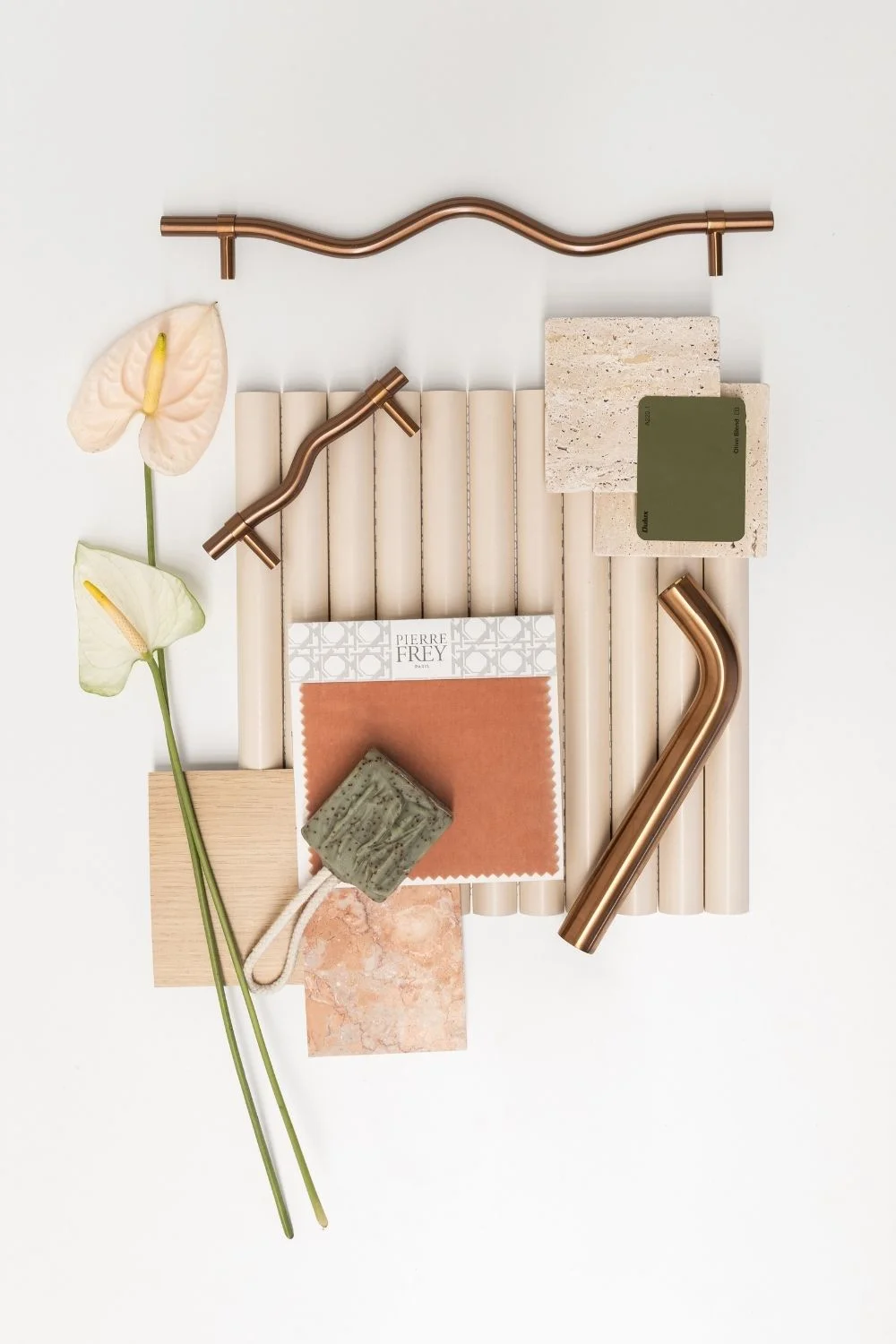
If you want to save time creating your moodboard and get professional guidance, book a free online or in-person design consultation with our expert team to help bring your dream space to life.
Want more design tips for your project? Check out these blogs:
Organic Modern Interior Design: Celebrating Natural Beauty