Our Range








How to Choose the Right Vanity Height
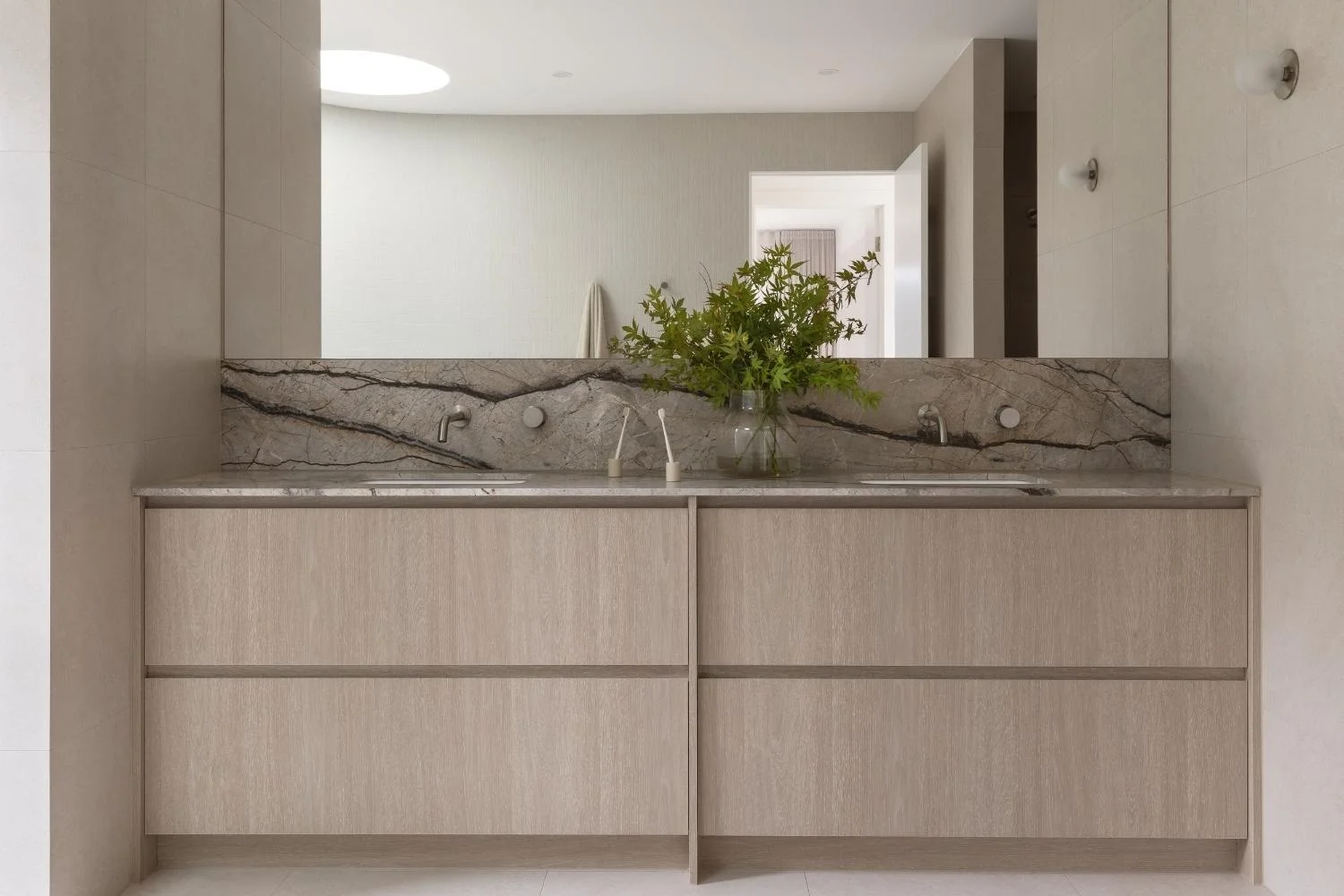
When choosing a bathroom vanity, style, size, and storage are often the initial considerations. Colour and finish shape the overall aesthetic, cabinet width needs to suit the room, and drawer configuration determines how much clutter stays out of sight. These are all reasonable priorities, as they influence how the vanity looks and functions every day.
Vanity height, however, rarely receives the same attention, despite having a significant impact on daily comfort. A vanity set at the wrong level doesn't stand out as much as clashing tiles or insufficient storage. Instead, it reveals itself through small, repeated inconveniences, such as stooping to reach the basin or leaning further than feels natural. Repeated morning and night, those subtle movements can become a source of ongoing discomfort.
We explore the different vanity types, explain how to choose the right bathroom vanity height for your space and household, and highlight the common mistakes to avoid so you can create a bathroom that's both comfortable and practical.
Why Vanity Height Matters
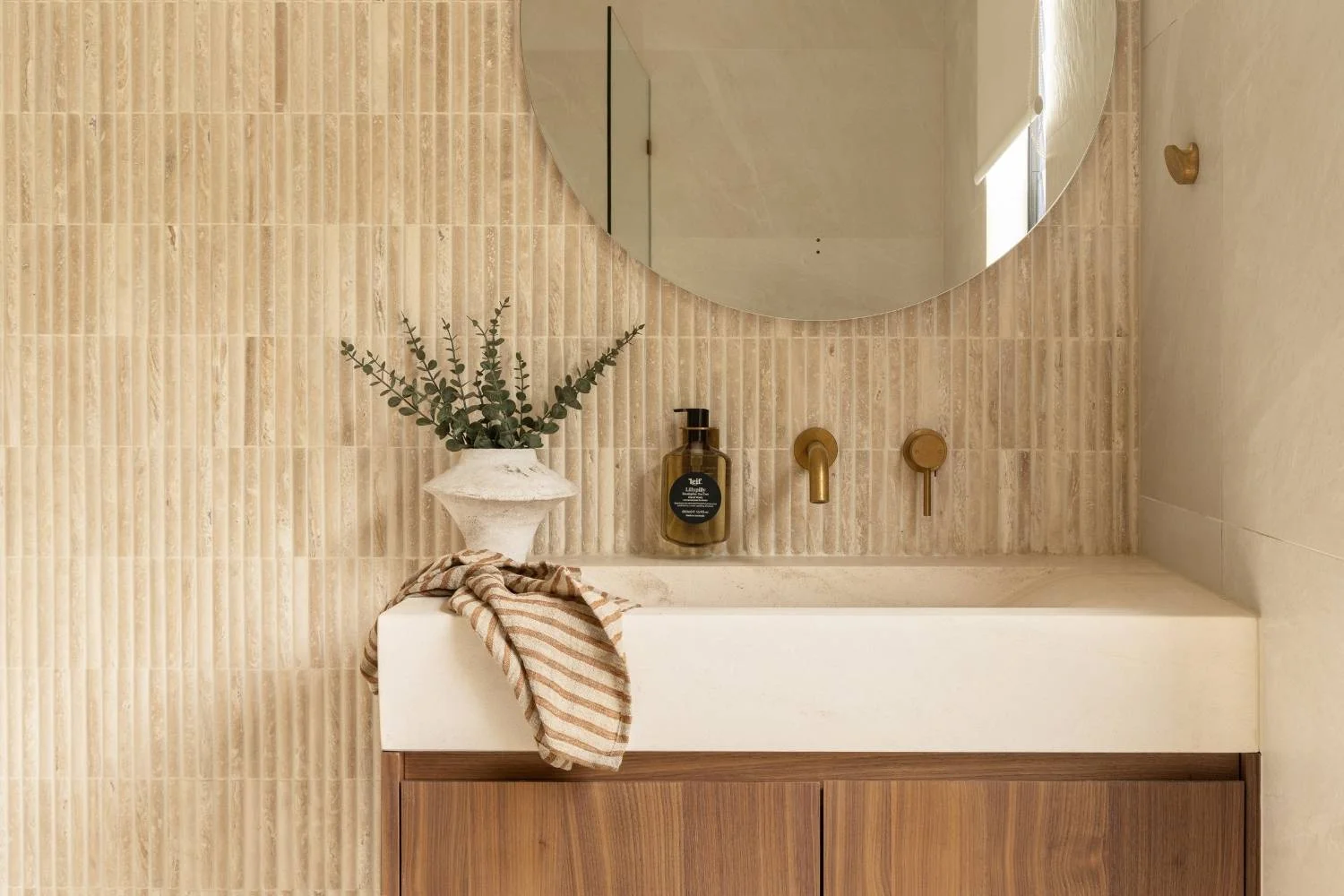
The ideal bathroom vanity height supports better usability and comfort while reducing strain during your daily routine. While there's no single height that suits every household, well-established standards and practical considerations make the right choice much easier.
Think about the daily actions that happen at the vanity. Washing hands, brushing teeth, shaving, and applying makeup are all daily rituals, often performed twice a day. Each one asks your body to hold a slightly bent position at the waist and neck. At the right height, that bend is minimal and barely noticeable. At the wrong height, those small movements add up. A few extra centimetres of stooping, repeated several times a day, can, over time, place unnecessary strain on the lower back and neck.
Basin Selection
Basin selection plays directly into this. An inset or undermount basin sits close to the benchtop, so the cabinet height and working height are almost the same. A top-mount basin, on the other hand, raises the effective height. While this height is comfortable for someone who finds a standard-height vanity a touch low, it can be awkward for shorter household members if the cabinet height isn't adjusted to compensate.
This is really a long-term usability question as much as a comfort one. A vanity gets used countless times over its lifespan, by people whose needs may shift, whether children growing taller, parents ageing, or new household members moving in. Choosing a height and a basin with that trajectory in mind is what separates a vanity that feels right on day one from one that still feels right a decade later.
What is the Standard Vanity Height?
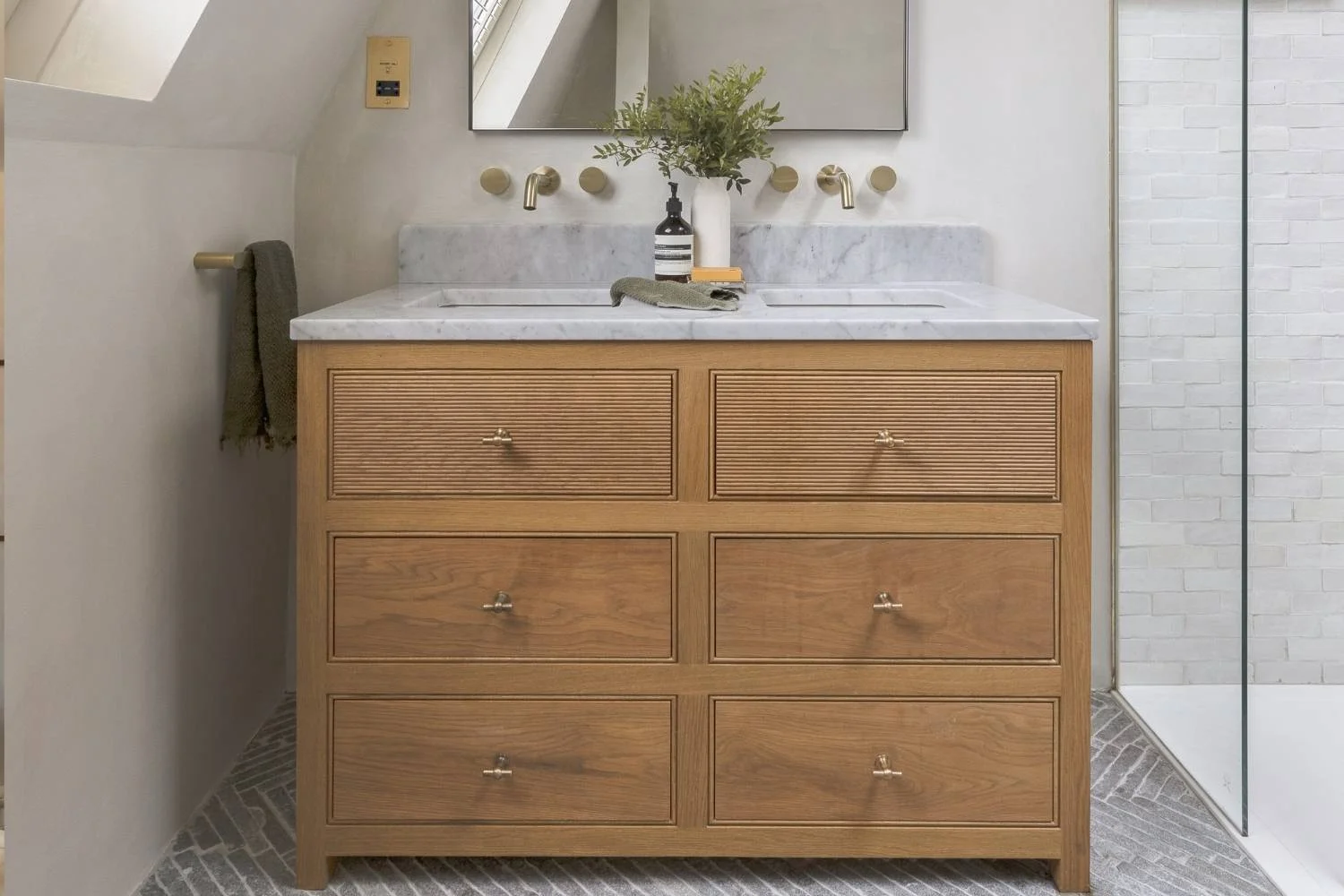
In UK bathrooms, a standard vanity unit height ranges from 850mm, measured from the finished floor to the top of the basin or worktop.
That range is a relatively recent shift. Traditional vanities, built to an older convention, often sat closer to 750–800mm, lower than most people find comfortable to stand at today. Modern vanities have moved up to bridge that gap, landing in the 850–900mm range, closer to the height of a kitchen benchtop.
Where a specific vanity falls within that range depends on basin style and user requirements. Households with taller adults tend to sit toward 900mm, while families with young children or anyone prioritising accessibility often sit closer to the lower end of the range, or below it.
Why Vanity Height Varies
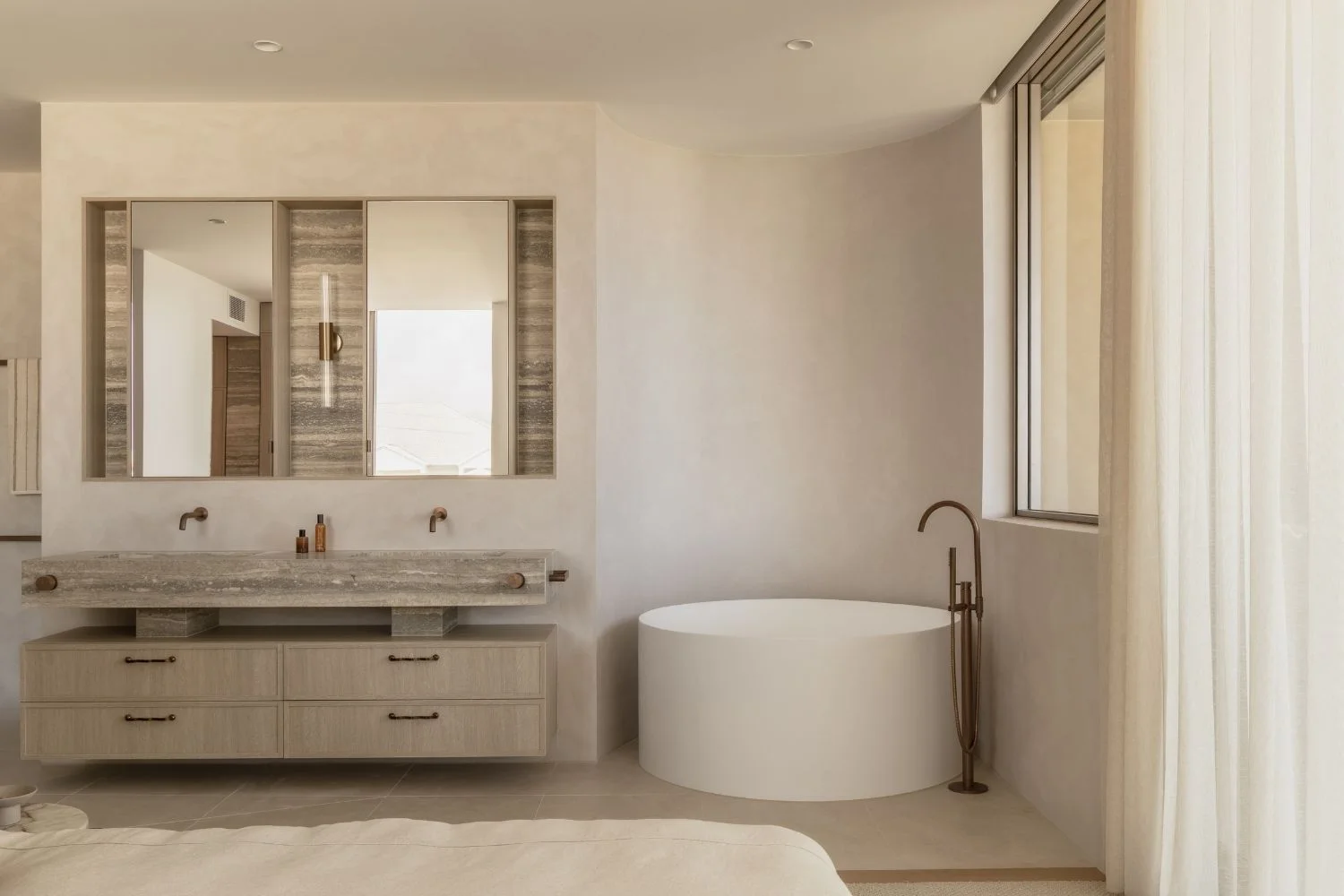
Standard measurements can help guide your decision, but the design of your vanity unit will ultimately shape what's possible. Floor-standing vanities tend to have a fixed finished height, whereas wall-hung designs give you greater control over their positioning during installation.
Floor-Standing Vanities
Floor-standing vanities sit directly on the floor, supported by a plinth, panel, or legs, with the overall height built into the piece itself. This makes them straightforward to plan around, but it also means the height decision needs to be made early, at the point of choosing the product, rather than adjusted once it's in the room. They tend to suit households with fairly settled, predictable needs, where a standard or near-standard height is already a comfortable fit.
Wall-Hung Vanities
Wall-hung vanity units are mounted directly to the wall rather than resting on the floor, which means the installation height isn't fixed by the product at all and can be customised to suit those using the room. This makes them the more flexible option, particularly for households with a wide range of user heights, non-standard requirements, or simply a preference to test the height before it's locked in. The floating profile also makes the floor easier to clean, and the room feel more open.
How Your Basin Choice Determines Vanity Height
The height equation isn't just about the cabinet. Where the basin sits relative to the benchtop changes the effective working height, too, sometimes significantly.
Undermount Basins
Undermount basins are fitted beneath the benchtop, so the bowl sits flush with or just below the underside of the counter, leaving a clean, uninterrupted surface with no visible rim. Because the basin adds nothing to the height, the working height is effectively the benchtop height itself, making this the easiest style to plan around and the closest match to whatever cabinet height you choose.
Inset Basins
Inset basins sit within a cutout in the benchtop, with a visible rim resting on the surface. The rim typically adds a few millimetres to the working height, so the practical effect is very similar to that of an undermount basin, and cabinet height can be chosen the same way. The only real difference is a slightly different cleaning routine around the exposed rim.
Top-Mount Basins
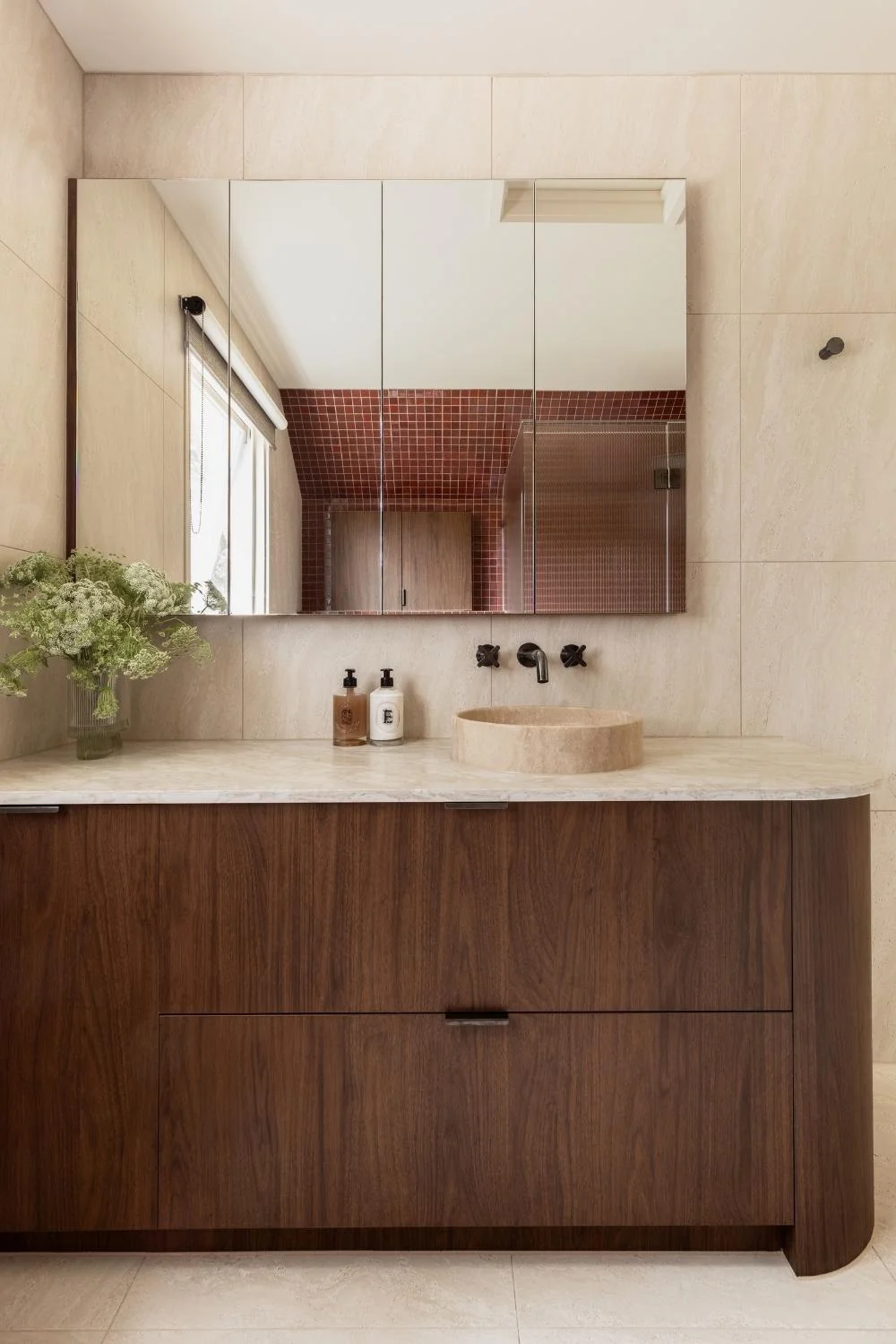
Top-mount basins sit entirely on top of the benchtop rather than within it, and this is where the height difference becomes significant, adding 100–150mm. A top-mount basin paired with a standard-height cabinet can feel closer to comfort height, so the cabinet height often needs to be reduced to compensate, along with choosing tapware tall enough to clear the raised bowl comfortably.
Matching Your Vanity Height to Your Household
Once you've considered standard height ranges and basin styles, think about who will be using the vanity most frequently. Height, age, and individual needs can all influence what feels comfortable in daily use. Here are some common household scenarios to consider.
Tall Users
For taller adults, a standard-height vanity often means bending further at the waist and neck than feels comfortable. A slightly higher vanity reduces that bend, letting the user stand more naturally rather than hunching forward for routine tasks. Over years of daily use, that difference in posture adds up to noticeably less strain.
Families with Children
Families face a genuine trade-off between accessibility now and longevity later. A lower vanity keeps the basin reachable for young children without assistance, but it may not remain comfortable as they grow into teenagers and adults. Step stools offer a flexible middle ground, letting a standard or slightly taller vanity stay usable for children in the short term without committing the whole household to a lower height that will eventually feel too low for everyone else.
Ageing Users
For older household members or anyone planning a bathroom for ageing in place, accessibility should guide the decision. A lower vanity height, ideally with clear space beneath rather than a fully enclosed cabinet, supports seated use and reduces strain from bending or reaching. Thinking this through at the design stage is a straightforward piece of future-proofing that avoids a disruptive renovation down the track.
Wall-Hung vs Floor-Standing Vanity Heights
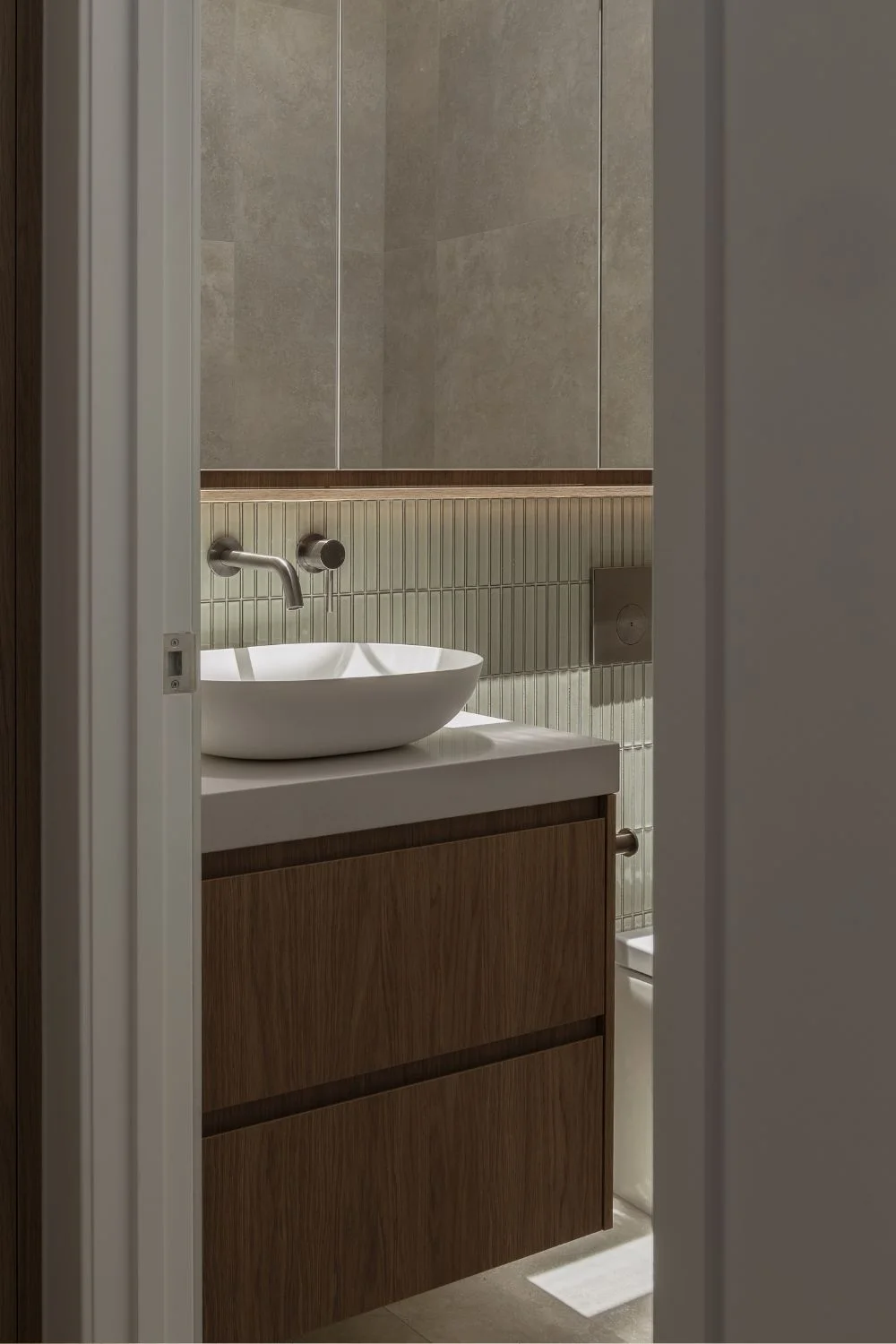
| Consideration | Wall-Hung Vanity | Floor-Standing Vanity |
| Height flexibility | High | Fixed |
| Visual Impact | More open | More substantial |
| Cleaning | Easier underneath | Standard |
| Customisation | Greater | Moderate |
Common Mistakes When Choosing Vanity Height
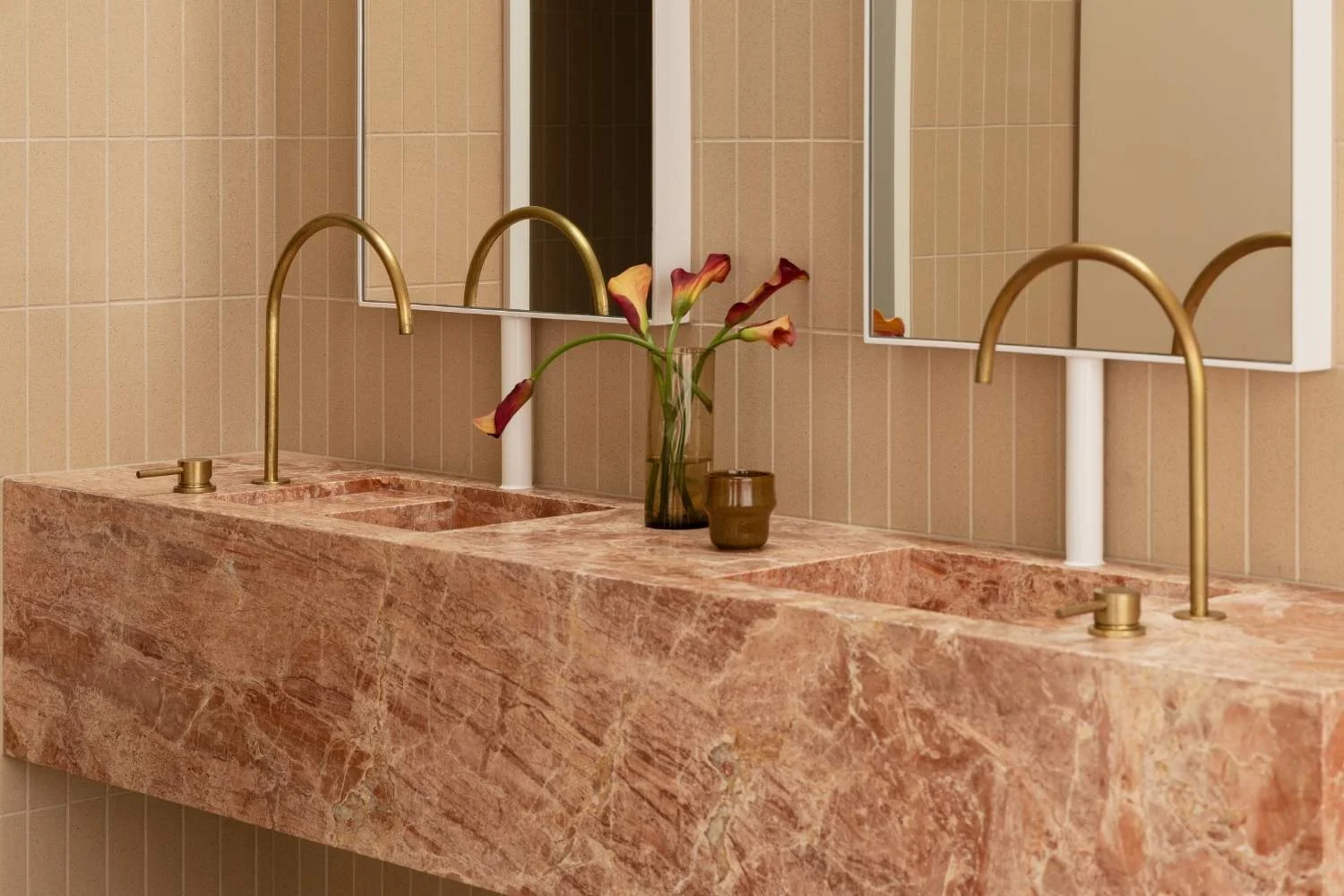
Even when you know the recommended height ranges, it's still possible to get the final measurement wrong. The order in which you make decisions, the type of vanity you select, and who you're designing for can all influence the result. Here are some common mistakes to keep in mind.
Choosing the vanity height before the basin
Height and basin style are so closely linked that locking one in without the other is one of the most common ways a vanity ends up feeling off. A cabinet chosen at comfort height, then paired with a top-mount basin, can push the finished working height well beyond what's comfortable. Deciding on basin style first, or at least alongside cabinet height, avoids having to compromise on one to fix the other later.
Following trends rather than prioritising user needs
It can be tempting to choose a vanity height or basin style simply because it feels current or looks appealing in a showroom or online. However, what works well for a tall, adults-only household may be impractical for families with young children or those planning to age in place. Ultimately, the best vanity height is one chosen around the needs of the people who use it daily, rather than what happens to be trending at the time.
Ignoring multiple users
It's easy to choose a vanity height based on the tallest person in the household while overlooking everyone else who'll use it every day. A single height rarely suits a household with a wide spread of user heights and needs perfectly, and treating it as a one-size decision usually means someone is quietly compromising every day. Where the gap is wide, a second vanity at a different height, or a considered middle-ground number, is often a better outcome than optimising for just one person.
Installing wall-hung vanities too high
Wall-hung vanities offer greater flexibility in installation height, but this can also make them easy to position too high. Before installation, check the proposed height against everyone who will regularly use the bathroom, particularly the shortest user. Once the vanity is mounted and the wall is finished, adjusting the height can be difficult and costly.
Vanity height isn't a detail to leave to convention; it's one of the few renovation decisions that's genuinely personal to your household. Start with who's using the bathroom, factor in your basin style, and decide whether a wall-hung or floor-standing vanity suits your flexibility needs. While there's no one-size-fits-all bathroom vanity height, choosing the right one will improve comfort every day for years to come.
Looking for more inspiration? Check out these blogs: