Our Range








Cottagecore: Your Guide to Achieving the Look
Amid the noise of modern life and constant digital stimulation, it’s no surprise many of us crave stillness and inspiration online. Cottagecore answers that call — a whimsical celebration of nature’s beauty and the gentle rhythms of a simpler time.
What began as a digital daydream has blossomed into a beloved lifestyle and interior aesthetic. Cottagecore is rooted in a wistful nostalgia for the pastoral pleasures of the English countryside. Think open meadows, warm bread, flower pressing, and handwritten letters. It's a lifestyle that favours creativity, sustainability, and self-sufficiency — expressed through activities like gardening, baking, and making art.
As an interior style, cottagecore rejects the cool austerity of modern minimalism. Instead, it leans into warmth, imperfection, and character. A cottagecore home is layered and expressive — filled with mismatched prints, vintage finds, time-worn textures and a relaxed, lived-in feeling.
And while its origins may lie in escapist fantasy, cottagecore has found a real foothold in how many people decorate today. You don’t need rolling hills or a thatched roof to embrace its cosy, countryside spirit.
The Origins of Cottagecore
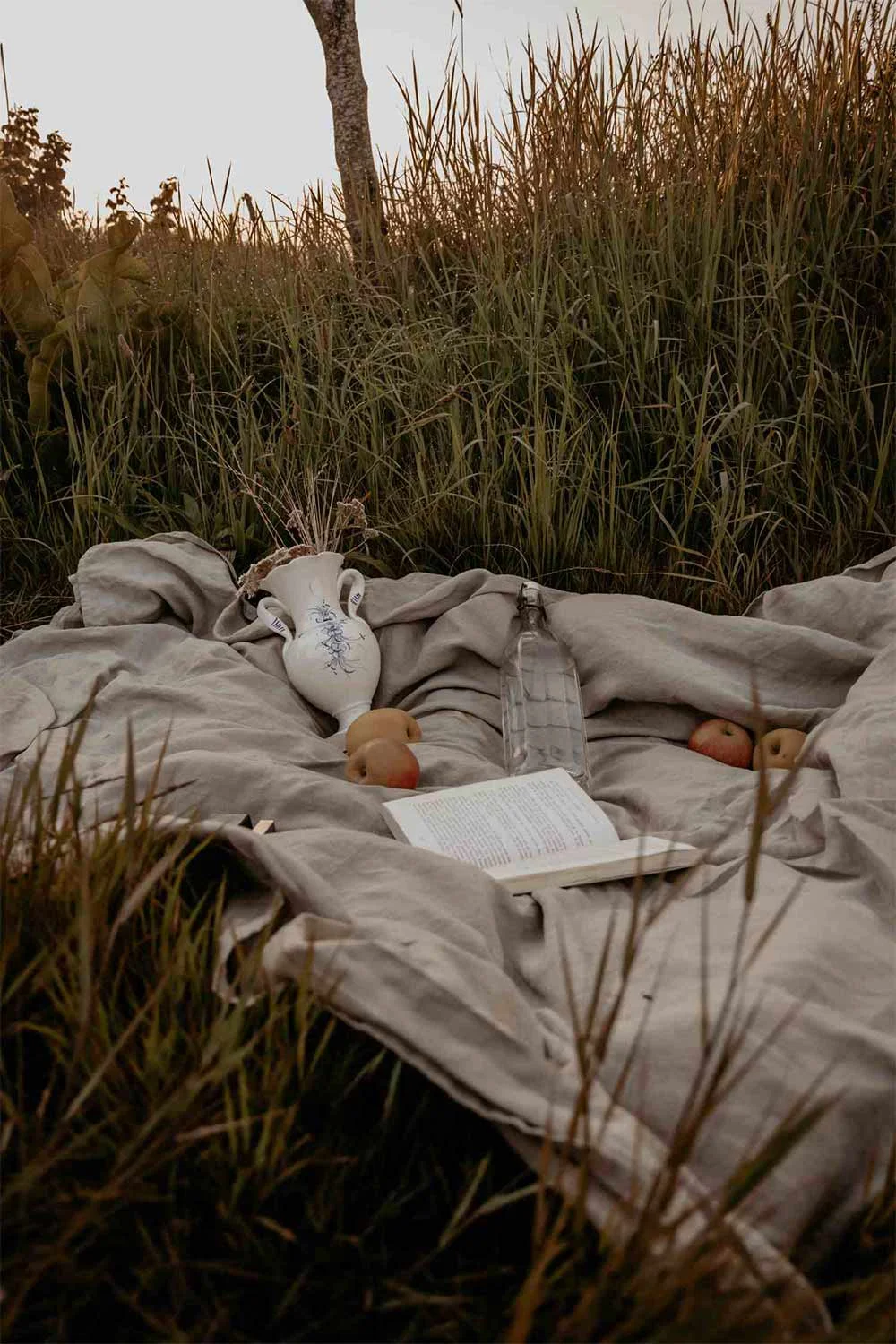
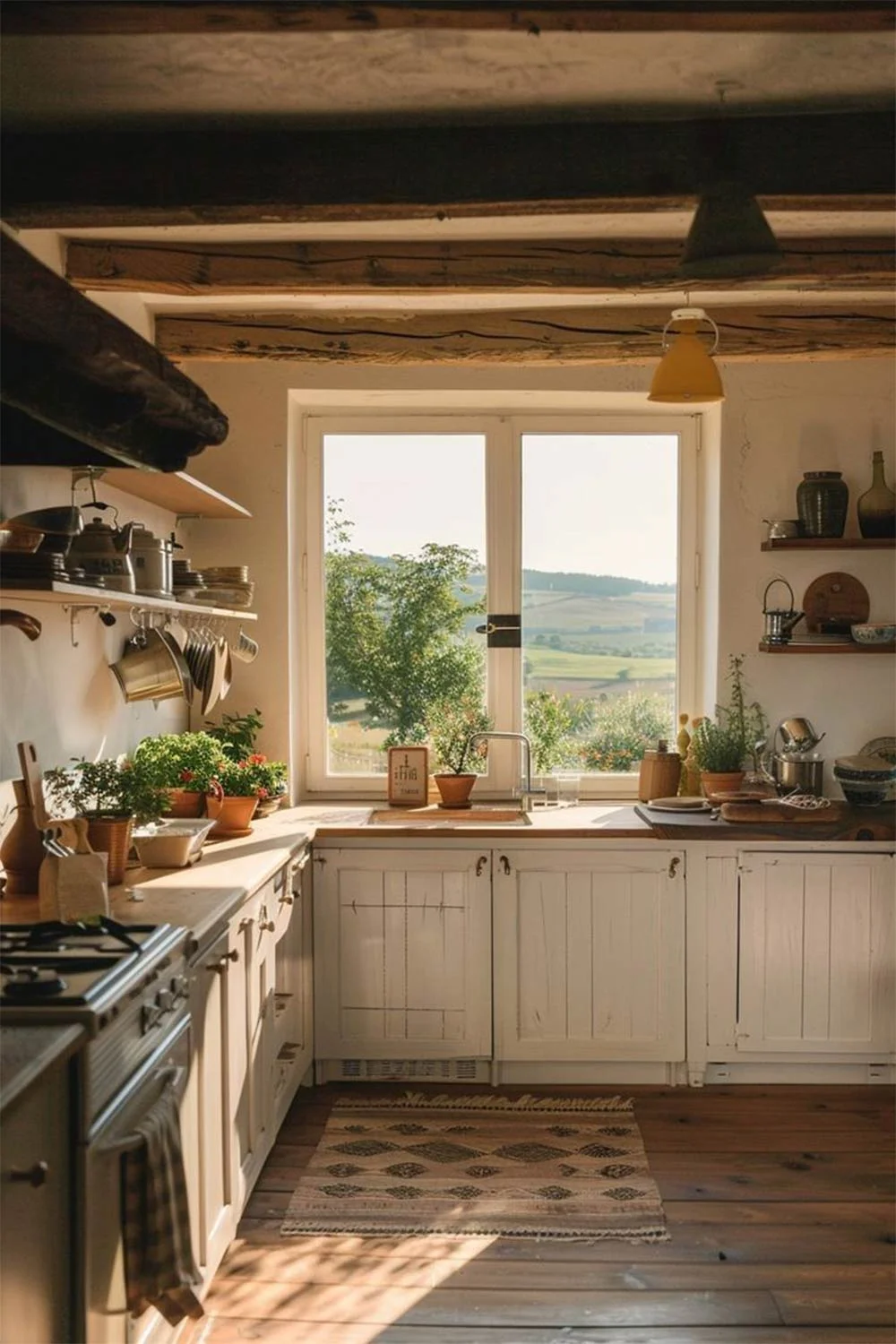
Rooted in nostalgia for pastoral life, cottagecore romanticises a world where time moves gently — nature, beauty, and craft take centre stage. This desire for simplicity isn’t new; it's been echoed for centuries, from Ancient Greece to pristine Victorian-era gardens.
In the 2010s, millennials and Gen Z revived the sentiment online, giving it a new aesthetic vocabulary. The term “cottagecore” was coined on Tumblr in 2018, and by 2020 — during the global COVID-19 lockdowns — it reached viral status on TikTok and Pinterest. Stuck indoors and craving comfort, many leaned into its slow-living ethos and escapist beauty.
In the UK, that yearning translated into action. Between mid‑2019 and mid‑2021, London saw a net outflow of around 75,000 residents, which was partially reversed later, with an inflow of around 66,000 by mid‑2022 once restrictions eased. Broader research indicates many moved from urban centres to rural or regional areas, and most of these moves did not reverse by the end of 2021 — suggesting growing appeal for rural living even post-lockdown.
Cottagecore interiors offer a kind of dream logic: whether in a suburban flat or a country home, they invite you to soften your space and reconnect with the rhythms of rural life. Here are some creative ways you can incorporate this style into your space.
Essential Elements of Cottagecore Interiors
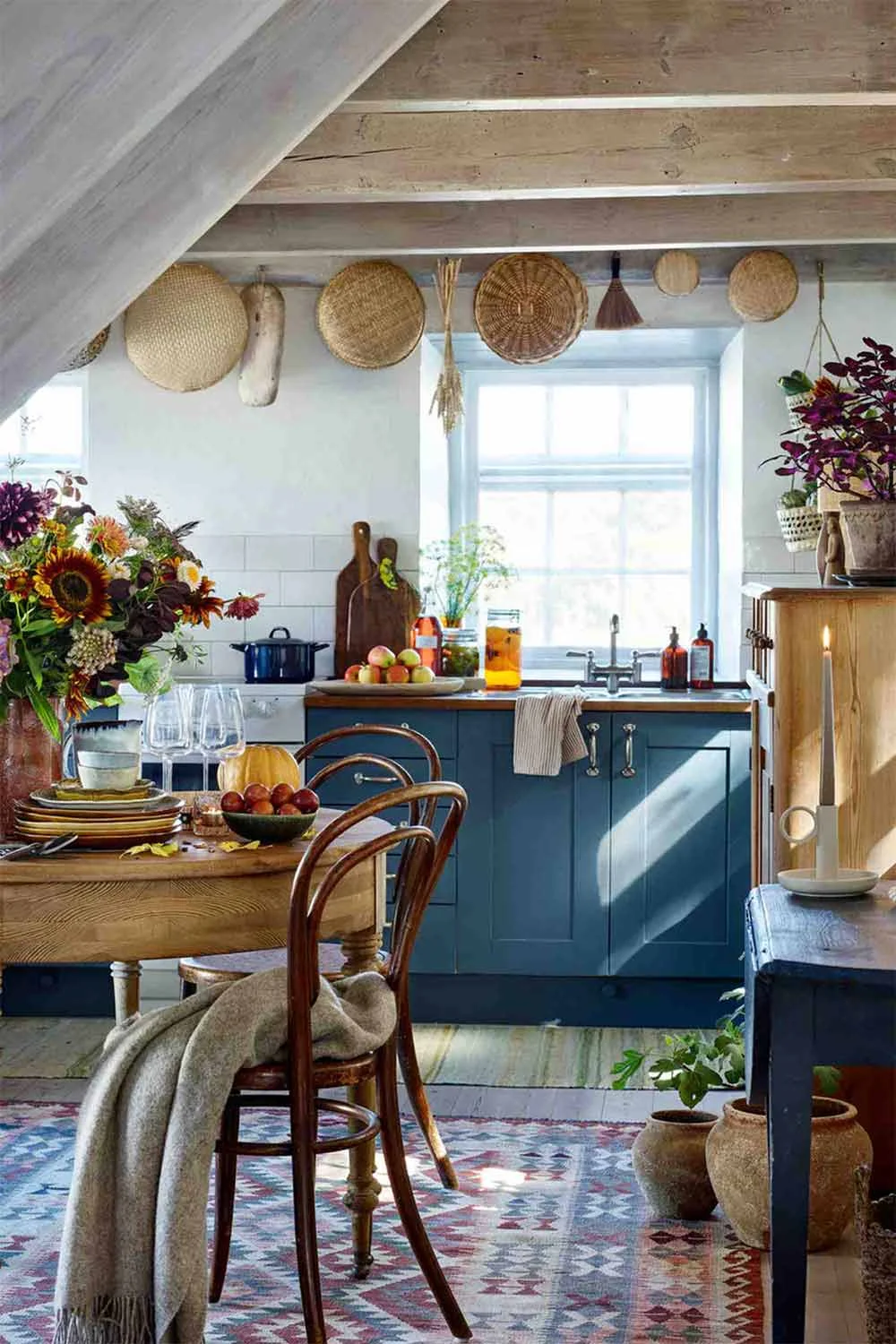
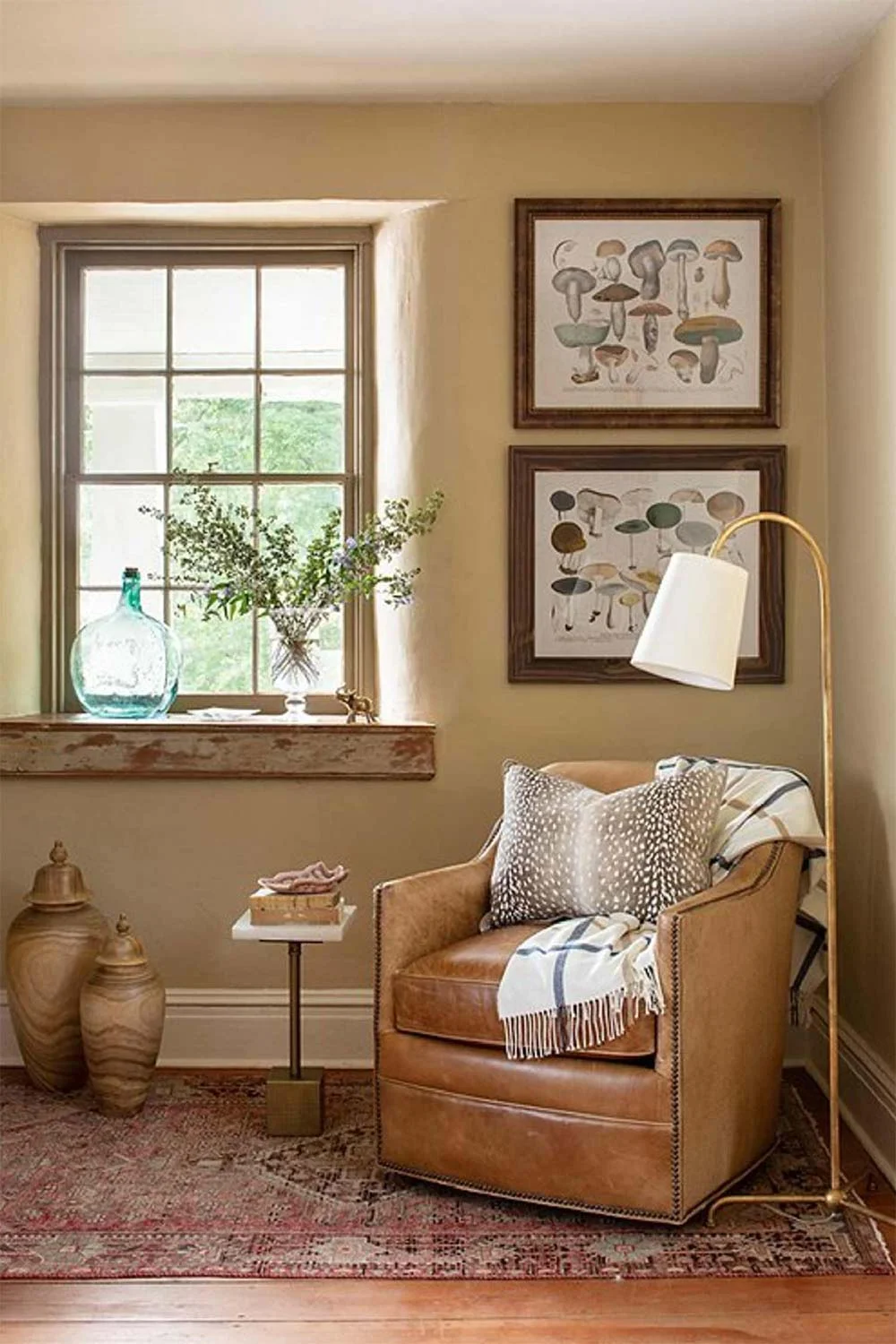
Blending rustic tradition with a touch of eclectic spirit, cottagecore interiors honour the imperfect and the personal. Instead of tucking things out of sight, this aesthetic invites you to showcase cherished pieces that speak to your values, memories, and sense of place.
Colour Palette: Cottagecore houses typically feature soft and earthy tones. Think hues like sage, peach, butter yellow, dusty rose, and periwinkle blue — layered with whites, beiges, creams, and warm woods.
Patterns and Textiles: This aesthetic embraces mixed prints — like florals, checks, toile, and gingham — and doesn’t shy away from the “cluttered” look. Linens, crocheted throws, vintage quilts, and ruffled fabrics are all encouraged.
Decor: Cottagecore décor is resoundingly vintage, giving rooms a sense of soul. Antiques, heirlooms, and handmade items are key — pre-loved ceramics, embroidered cushions, pressed flowers, and woven baskets. Greenery is also important: from potted herbs to trailing ivy and dried bouquets.
Cottagecore interiors are humble and unfussy. It’s not so much about stepping back in time historically, but into the warm, comforting feeling that nostalgia presents.
Designing a Cosy Cottagecore Kitchen
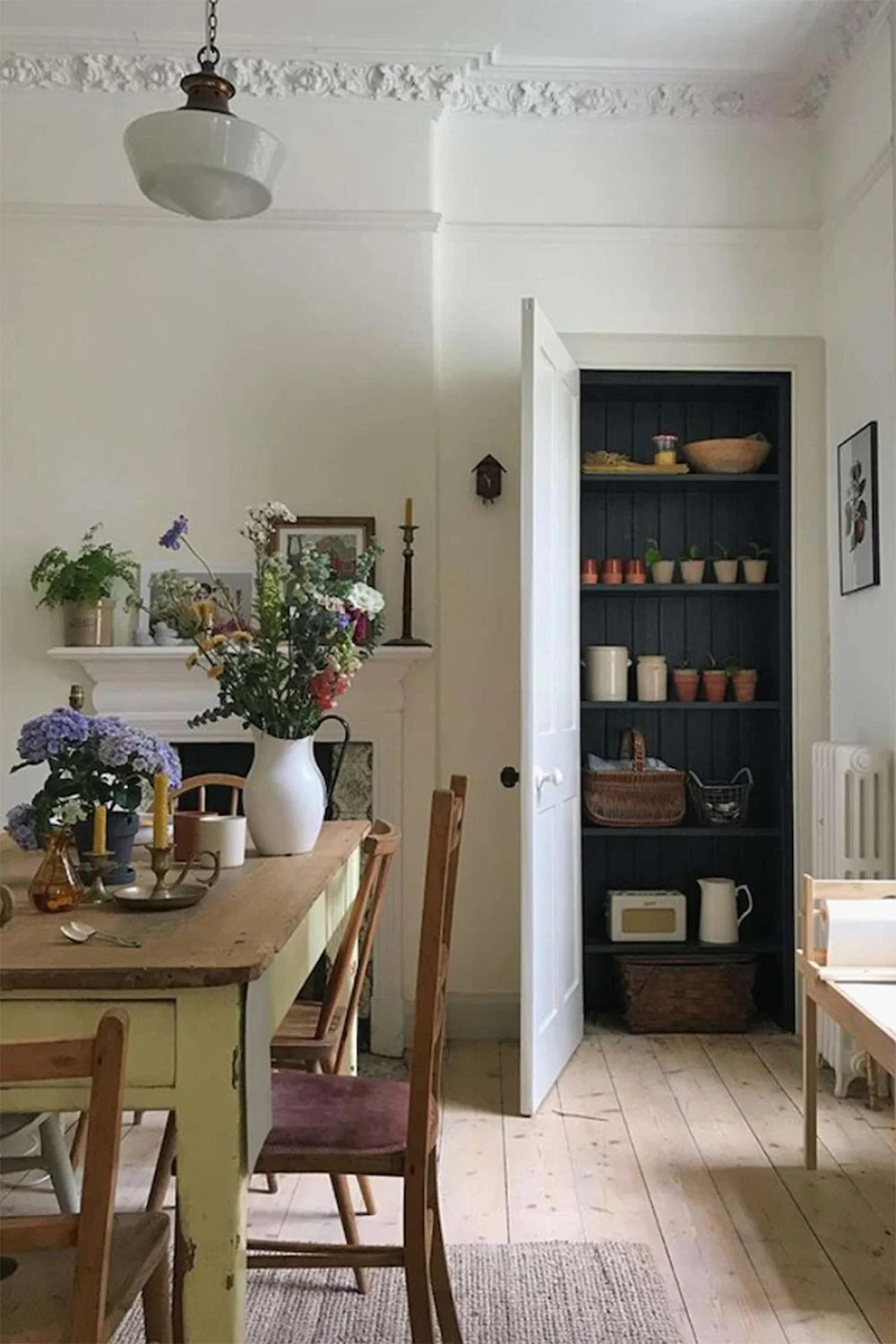
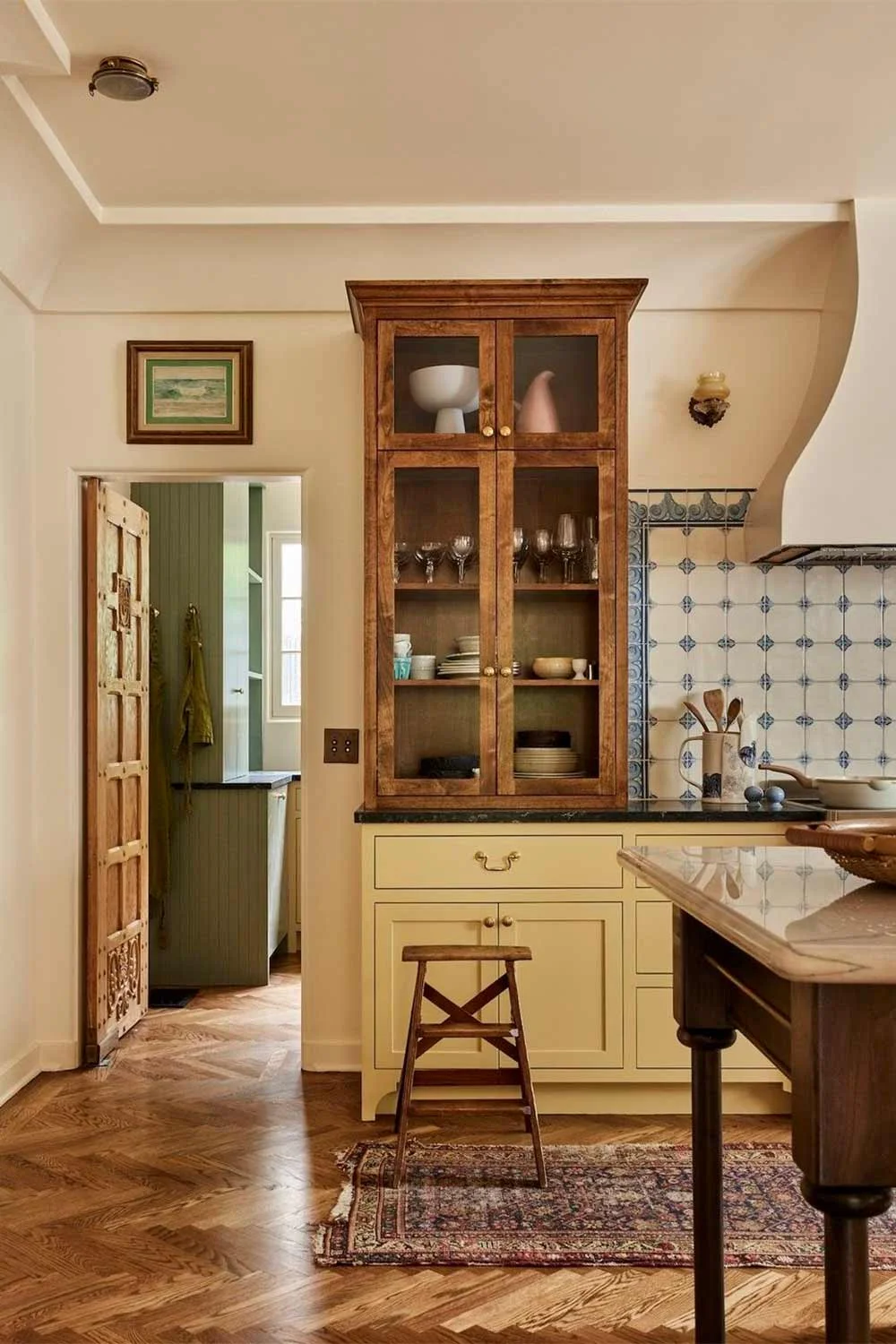
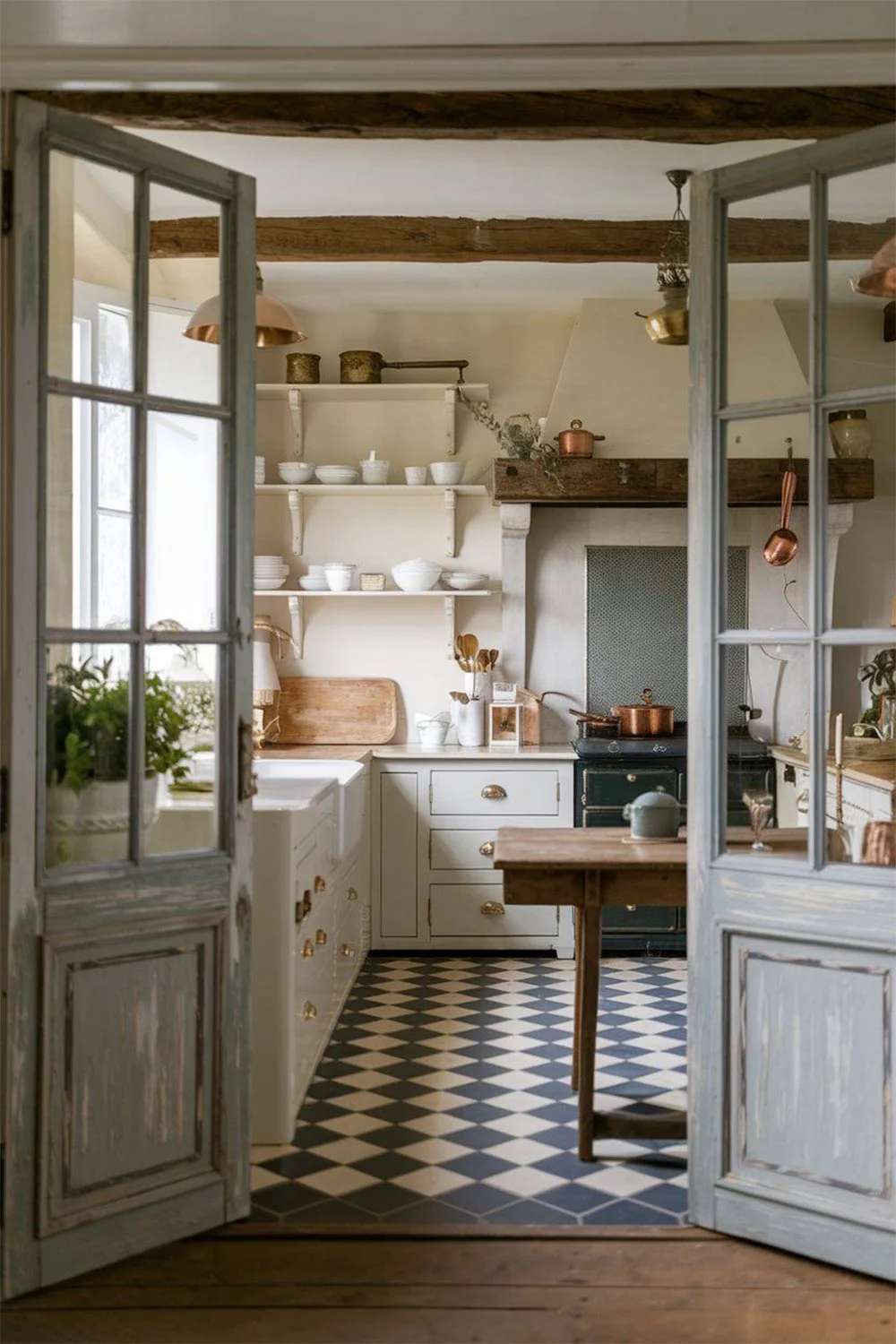
Function meets charm in the cottagecore kitchen, where nothing is tucked away and everything tells a story. Cookware hangs in plain sight, cutlery rests on open shelves, and fresh herbs line the windowsills. It’s a kitchen that encourages connection and feels welcoming, functional, and full of character.
Traditional cottagecore kitchens often feature wooden floorboards, exposed beams, rustic brickwork, and colourful cabinetry to evoke a sense of timeless charm. But you don’t need to source antique fittings to achieve the look. Elements like a classic farmhouse sink and antique brass tapware can bring that homely, vintage-inspired feel into even the most modern homes.
A Whimsical Cottagecore Bathroom
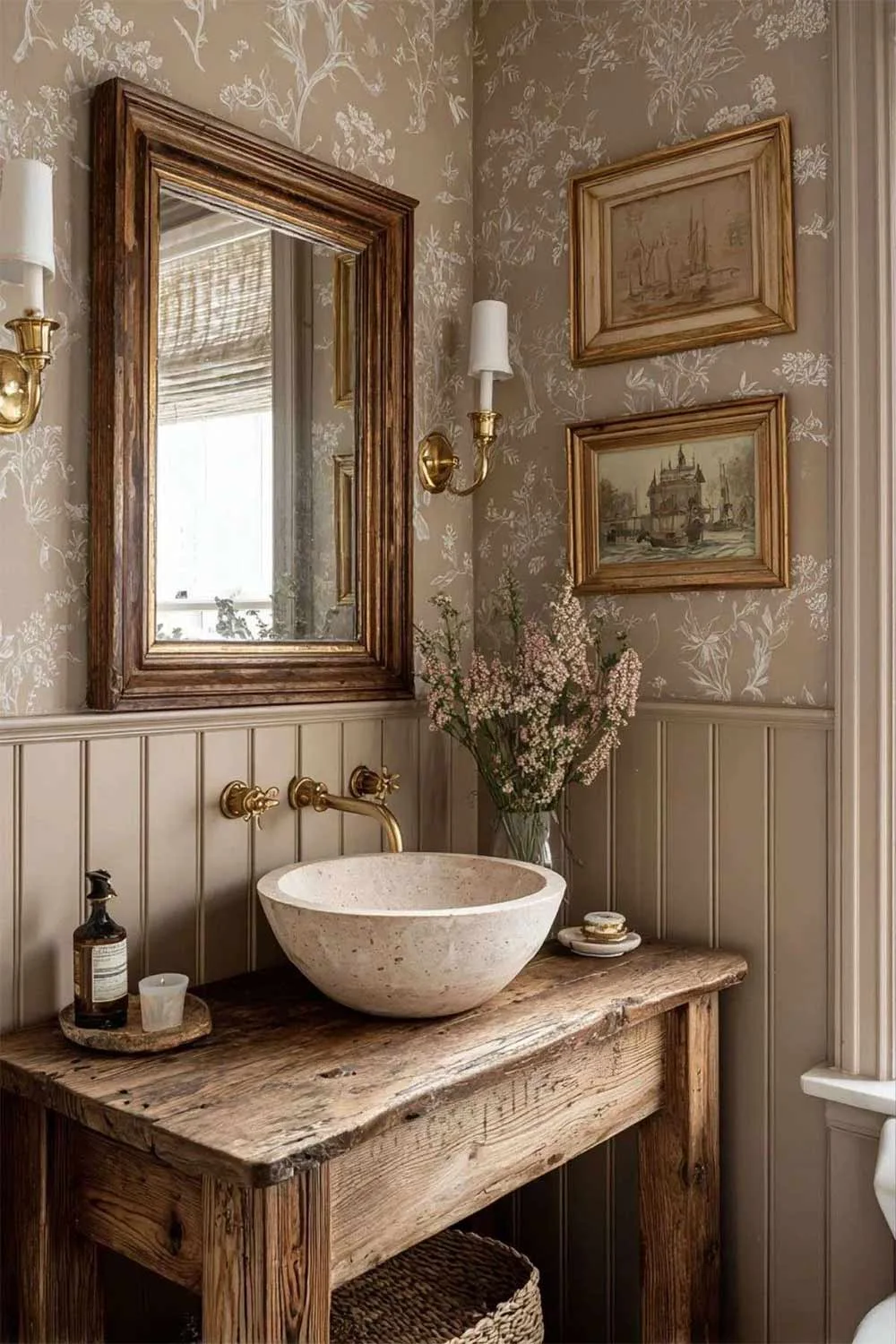
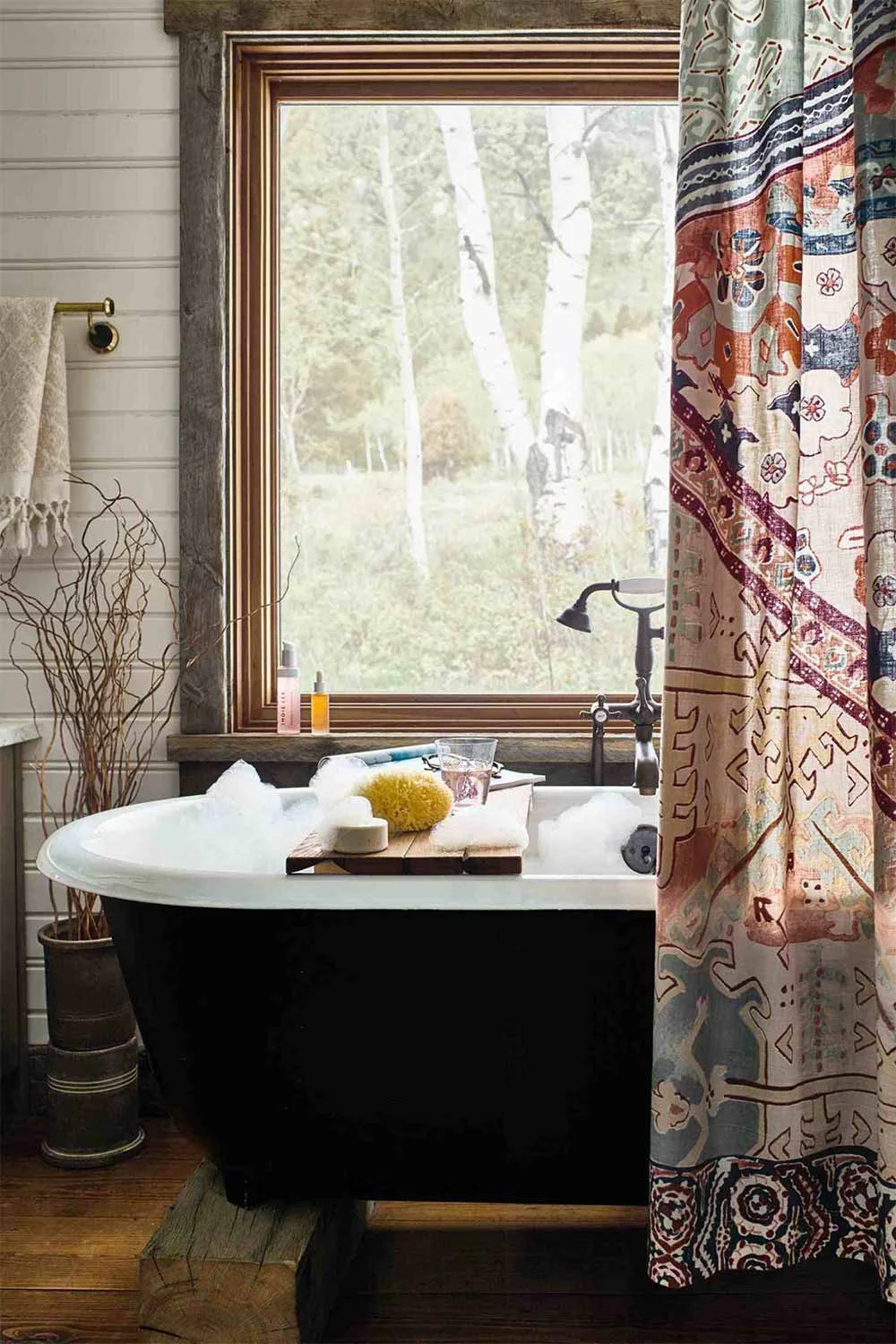
Compared to the clean lines and restraint of modern bathrooms, cottagecore bathrooms celebrate personality and abundance. They favour organic textures, decorative layers, and a gentle connection to nature.
To enhance the connection with nature, try introducing:
- Potted plants or trailing greenery
- Eucalyptus bunches in the shower (releasing a calming scent when activated by steam)
- Soft floral wallpaper or VJ panelling for a touch of vintage charm
Classic clawfoot tubs paired with tapware from our provincial-style Kingsley Collection will anchor the space in tradition. For a modern take that still feels period-inspired, consider products like our Barre Assembly Taps and Gooseneck Swivel Wall Mounted Spout in brushed brass or brushed copper to express that classic feel.
A Dreamy Cottagecore Bedroom
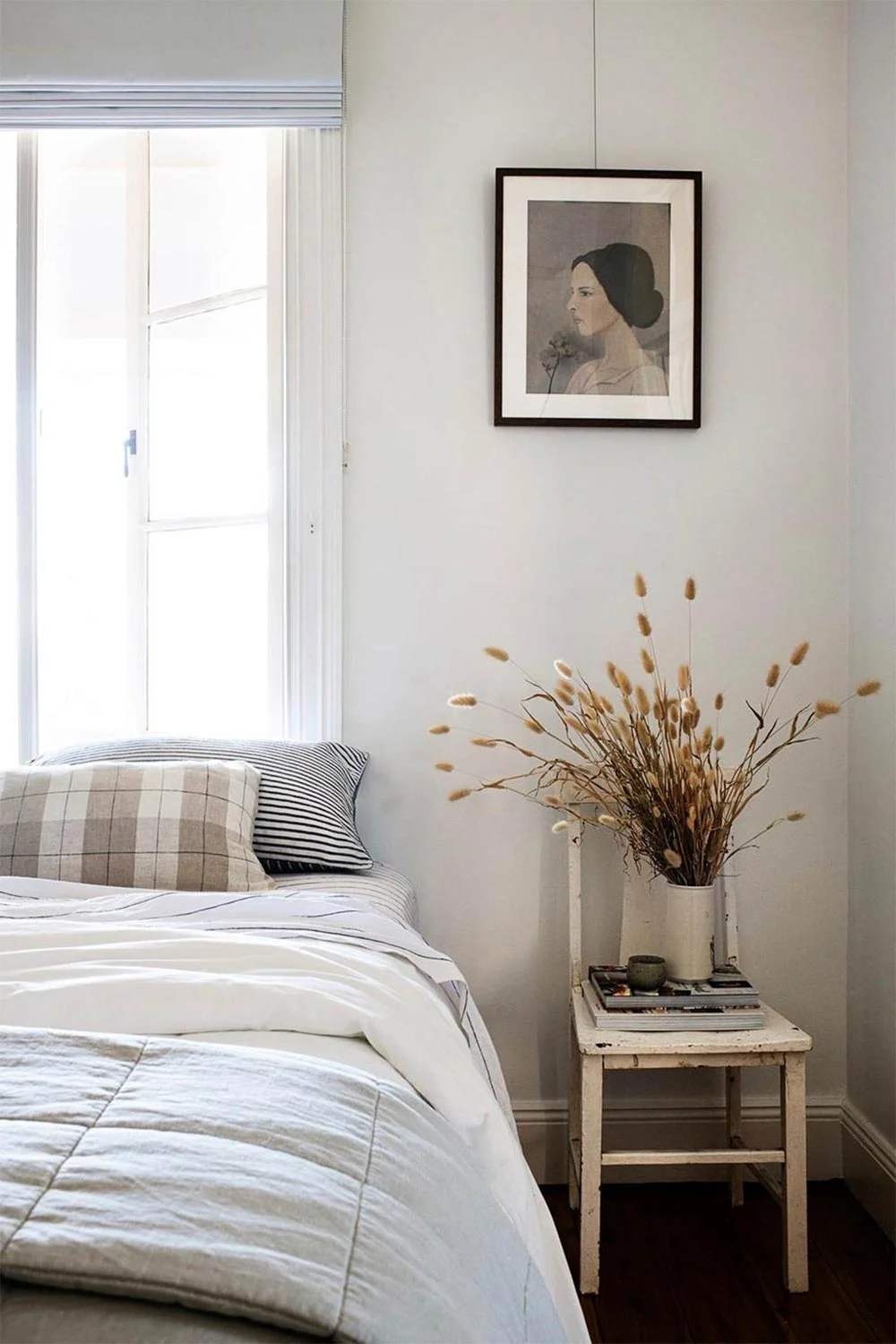
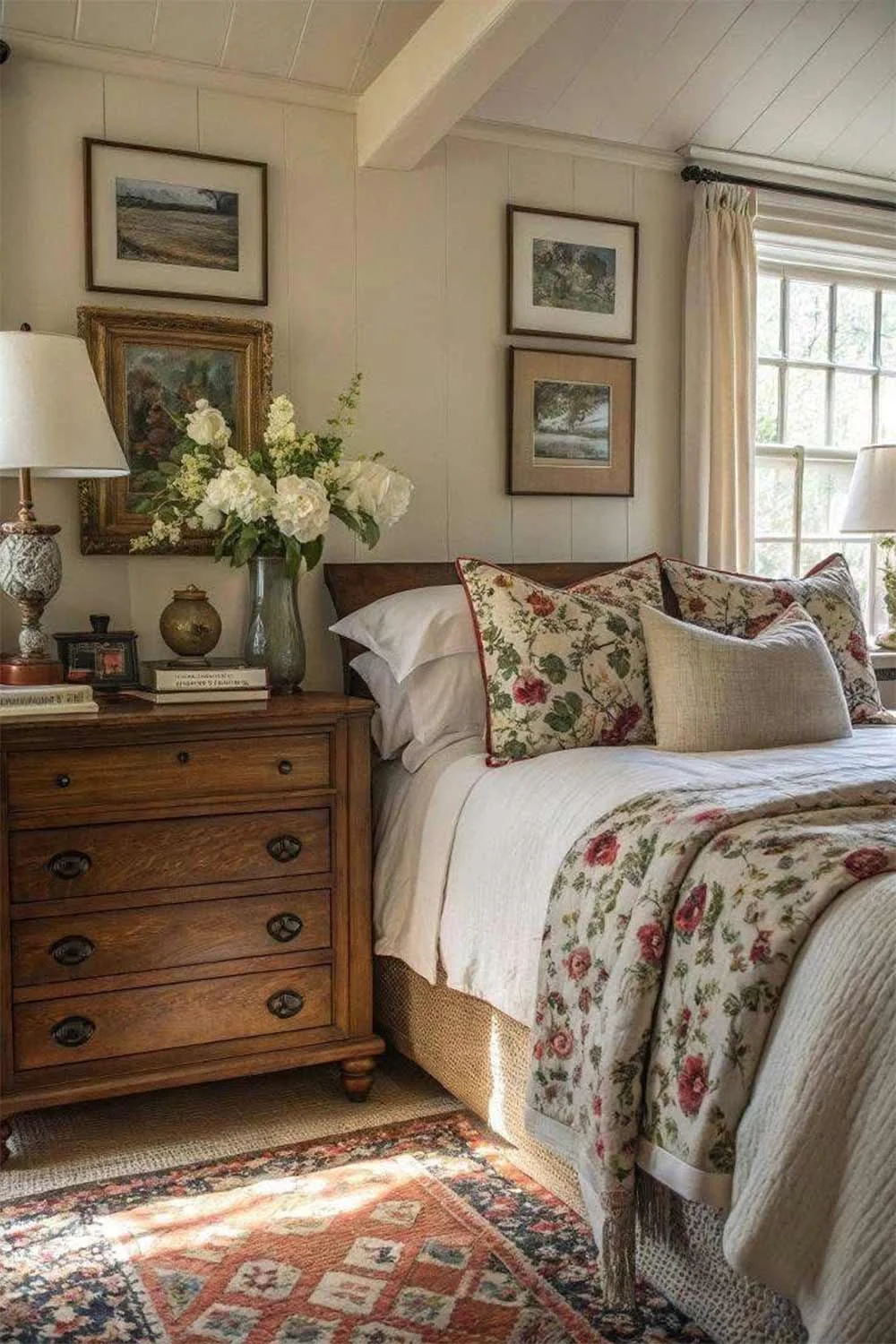
The cottagecore bedroom is a gentle retreat — light-filled, delicately textured, and deeply restful. Plush bedding, sheer curtains, and soft lighting from fairy strings or table lamps set a peaceful mood. For colour, choose soothing shades such as sage, lavender, powder blue, or creamy neutrals to maintain a grounded, cohesive feel.
A wrought-iron bedframe sets a nostalgic tone, often paired with weathered timber flooring, reclaimed timber bedside tables, and antique brass cabinet handles to add warmth and character. Layer the space with dried flower arrangements and plenty of greenery to echo the outdoors.
When it comes to wall art, lean into the pastoral. Think vintage oil paintings of countryside scenes, botanical prints, or wildlife illustrations — pieces that echo the cottagecore love of nature and nostalgia.
Don’t Forget the Utility Room
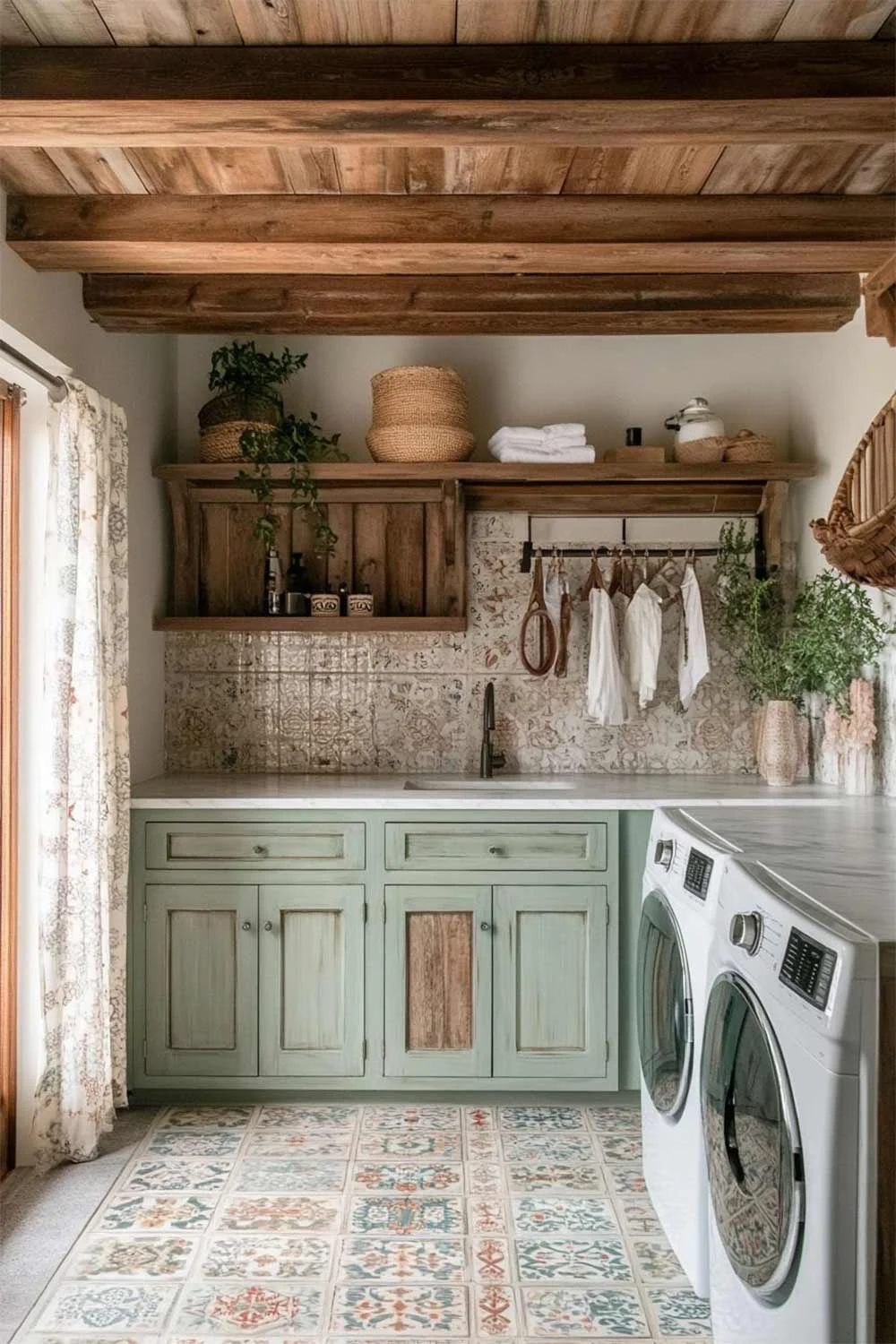
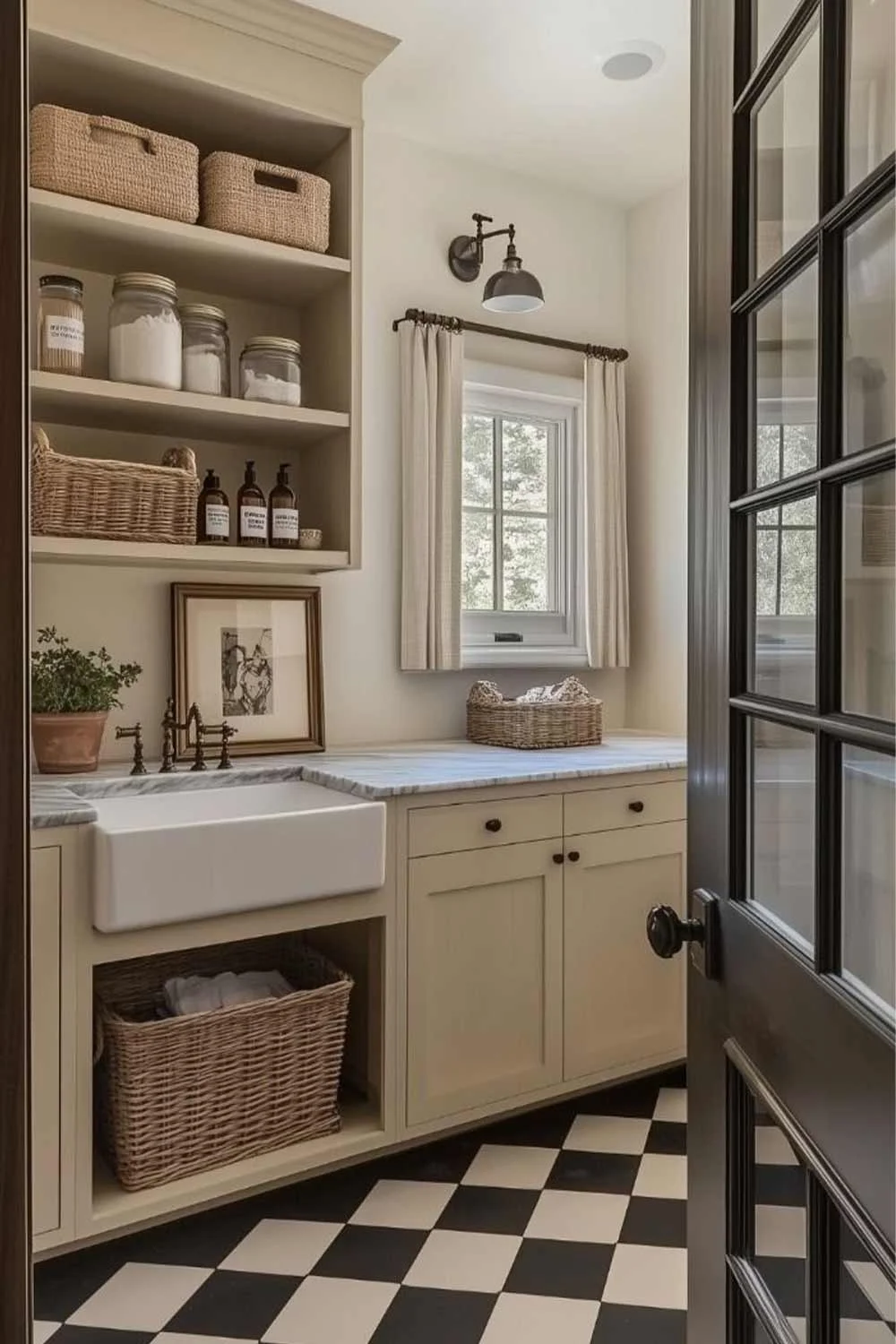
The utility room might be a purely functional space, but in a cottagecore home, practicality doesn’t mean sacrificing charm. With a few thoughtful touches, this humble room can carry the same cosy, countryside spirit as the rest of your home.
Draw inspiration from your favourite cottagecore elements and weave them in thoughtfully. A feature wall with floral wallpaper, woven storage baskets, provincial tapware, an oversized farmhouse sink for easy clothes washing, or ornate glass jars to store washing powder all help transform the space from plain to personalised.
For more interior inspiration, read these blogs:
How to Master Modern Farmhouse Design