Our Range








Modern Architecture vs Traditional: How to Combine The Two To Create a Beautiful Space
Whether Victorian, Edwardian, Georgian, or 1930s, UK homes are defined by a strong aesthetic identity that highlights the contrast between modern architecture vs traditional design. For homeowners planning a renovation or refurbishment, achieving the right combination of traditional and modern architecture creates interiors that feel timeless and contemporary.
We explore how to create this beautiful balance throughout your home, guided by considered design principles, material insights, and practical renovation advice to achieve a cohesive transitional style.
Understanding the Differences Between Modern and Traditional Architecture
Appreciating the defining characteristics of modern architecture and traditional architecture is essential to achieving aesthetically pleasing spaces throughout your home. To do this successfully, you should first explore what defines each style and understand how a thoughtful hybrid of the two can enrich the home.
What Defines Modern Architecture
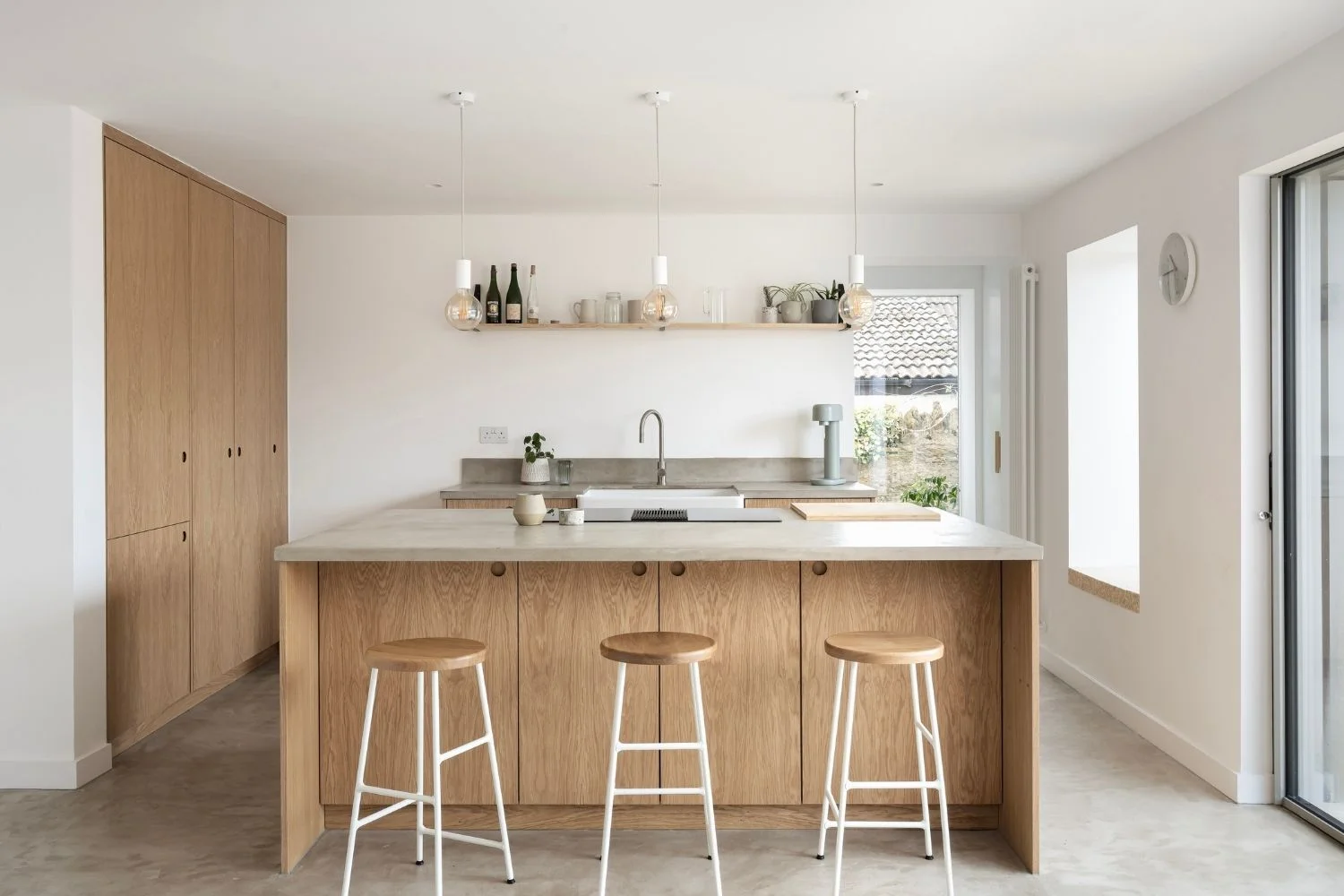
Despite its name, modern architecture originated in the early 20th century, emerging in the 1930s and gaining widespread popularity by the 1970s. Defined by clean lines, minimalism, open-plan living, and an emphasis on natural light, these characteristics clearly distinguish modern from traditional architecture.
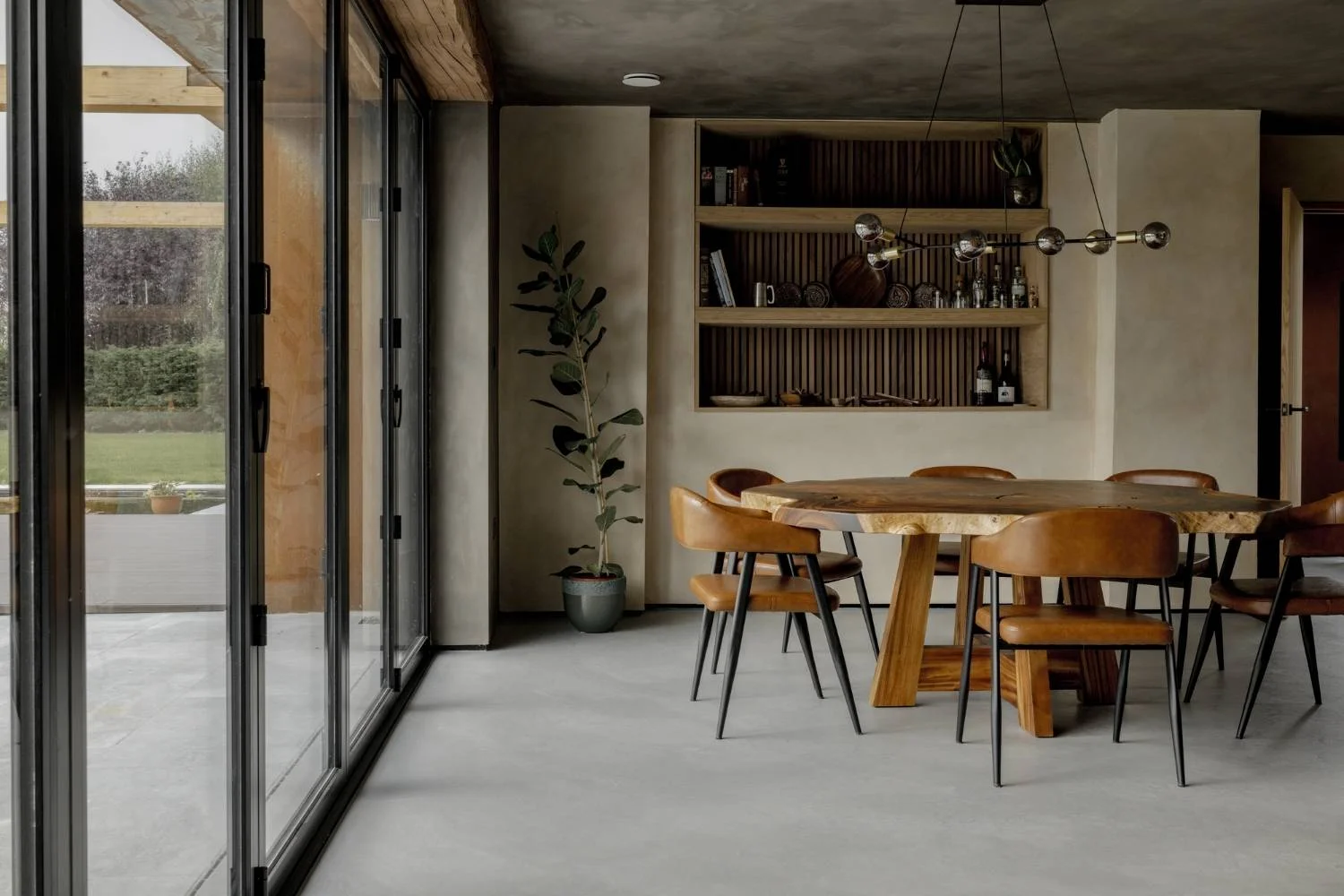
Modern buildings often use innovative materials such as glass, steel, and microcement to create light-filled, uncluttered spaces. Guided by the principle that form follows function, these spaces prioritise practicality over ornamentation, supporting everyday living while enhancing comfort and usability.
What Defines Traditional UK Architecture
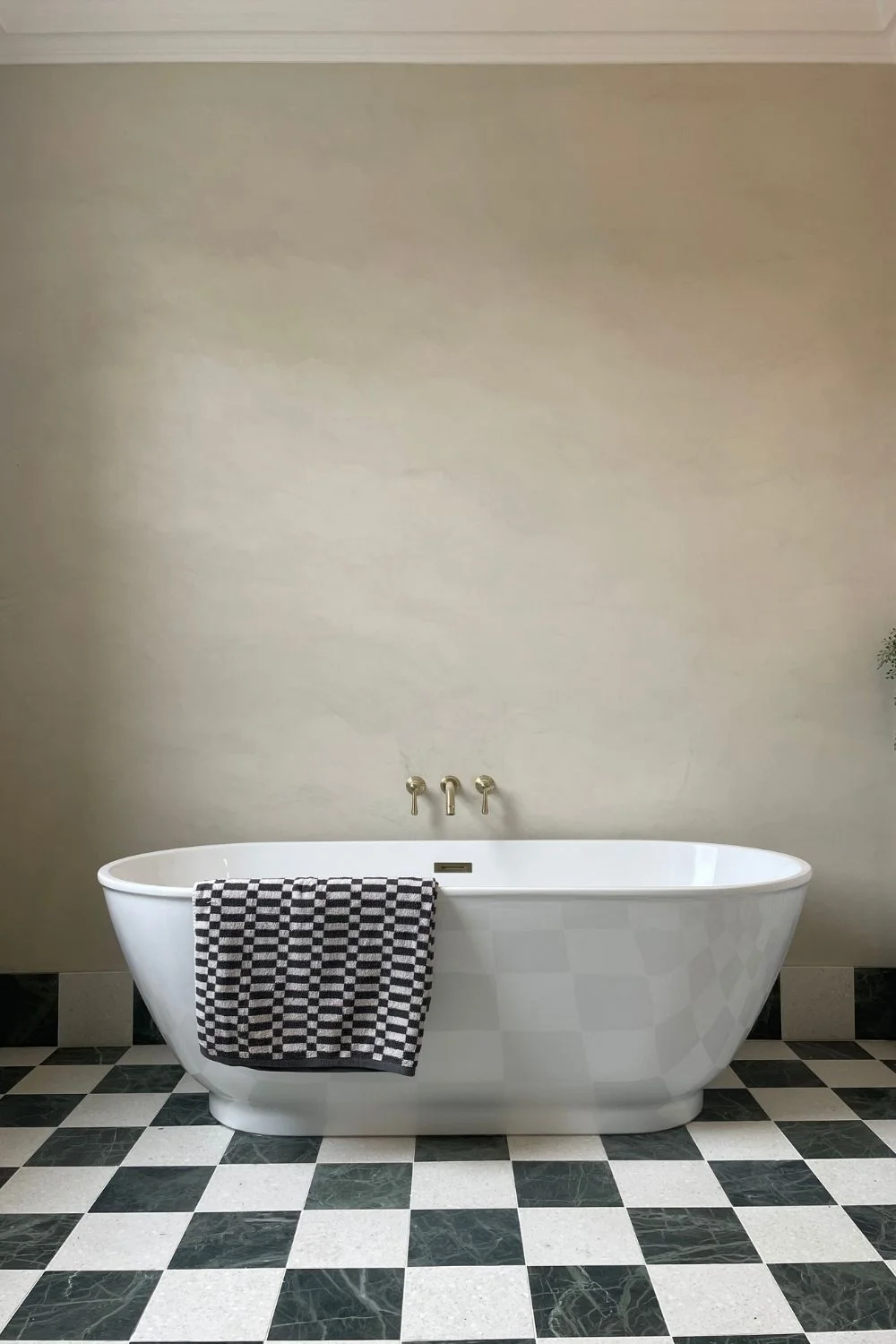
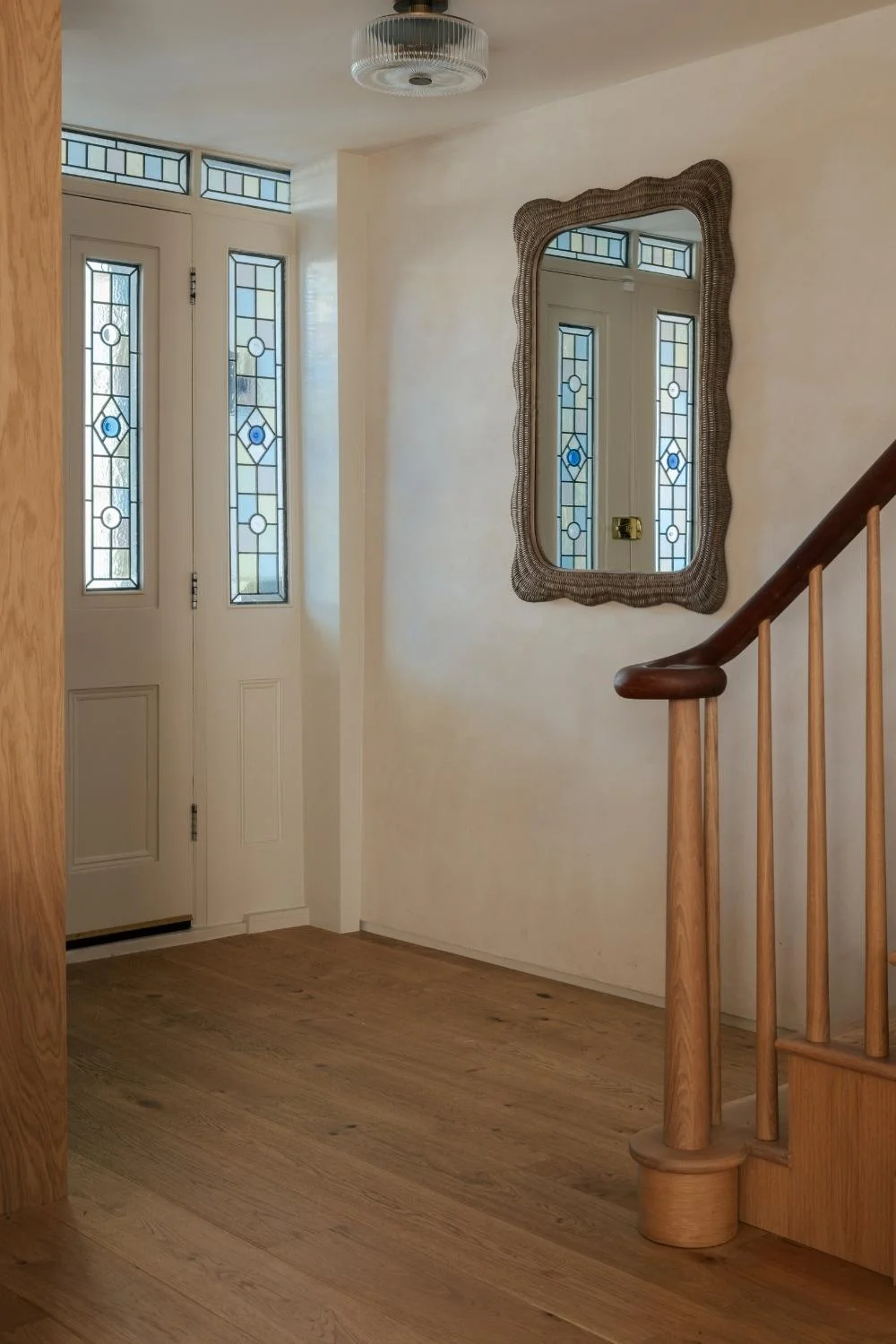
Traditional architecture UK reflects centuries of history, with styles such as Victorian, Edwardian, Georgian, and 1930s terraces, each defined by distinctive features and craftsmanship. Characterised by symmetry, proportion, and ornate detailing, these homes often feature decorative mouldings, sash windows, pitched roofs, and fireplaces that convey charm and heritage.
Built from enduring materials like brick, stone, and timber, traditional homes prioritise warmth, texture, and character. Interiors are often compartmentalised rather than open-plan, creating defined rooms that emphasise comfort and homely practicality. At its core, traditional architecture celebrates heritage, decorative detail, and timeless design.
Why Combining the Two Styles Makes Sense
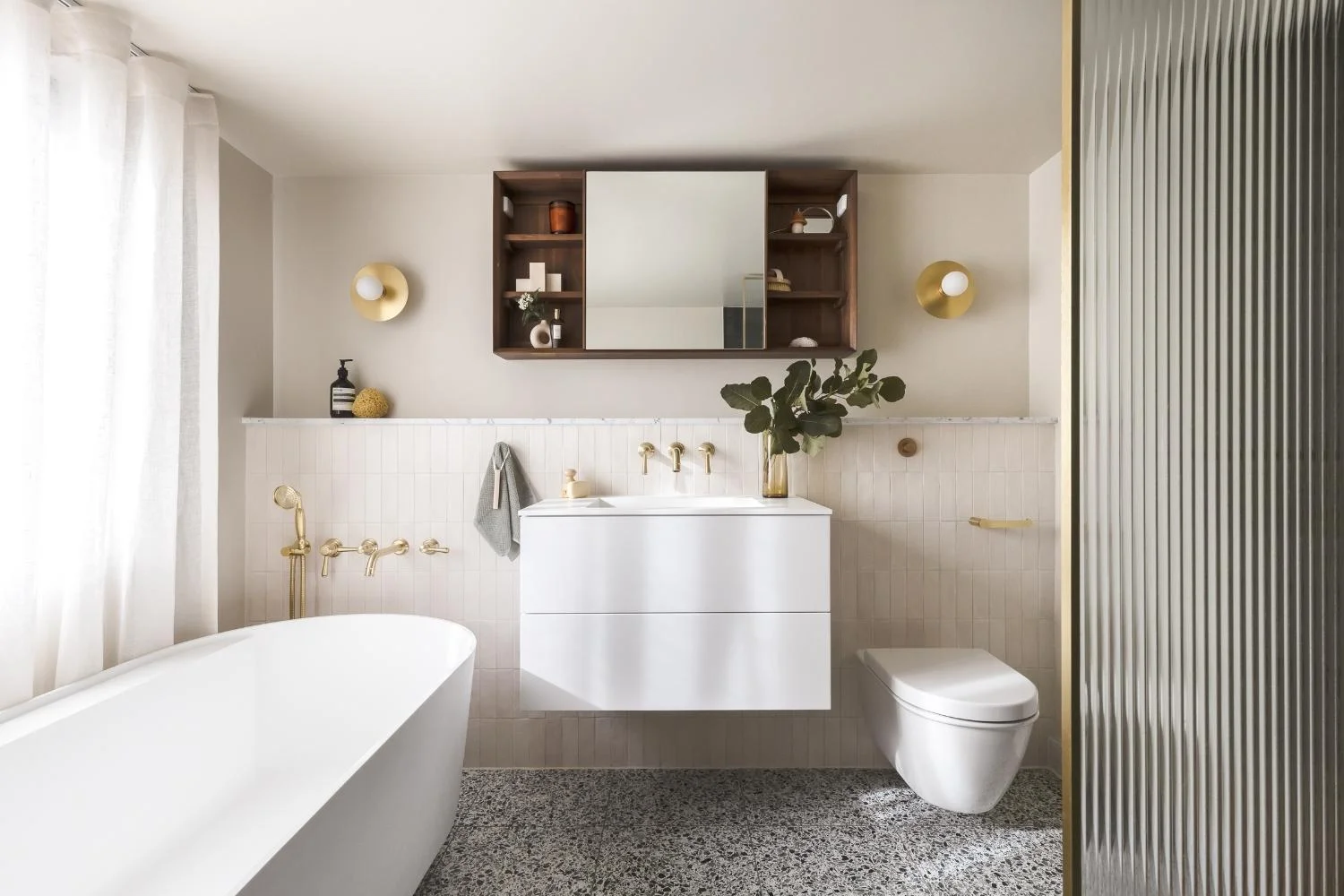
Balancing character and simplicity creates a natural bridge between old and new. Traditional architecture provides a sense of history, proportion, and craftsmanship, while modern design introduces light, efficiency, and functionality. When combined thoughtfully, the result is a home that respects its origins while supporting contemporary living.
This bridge is often expressed through contrast, where original features are set alongside modern materials and clean architectural lines. Glass, steel, and microcement can complement brick, timber, and stone, enhancing each. By pairing heritage character with modern performance, this approach results in interiors that feel cohesive, thoughtfully designed, and built to stand the test of time.
Design Principles for Blending Traditional UK Architecture with Modern Style
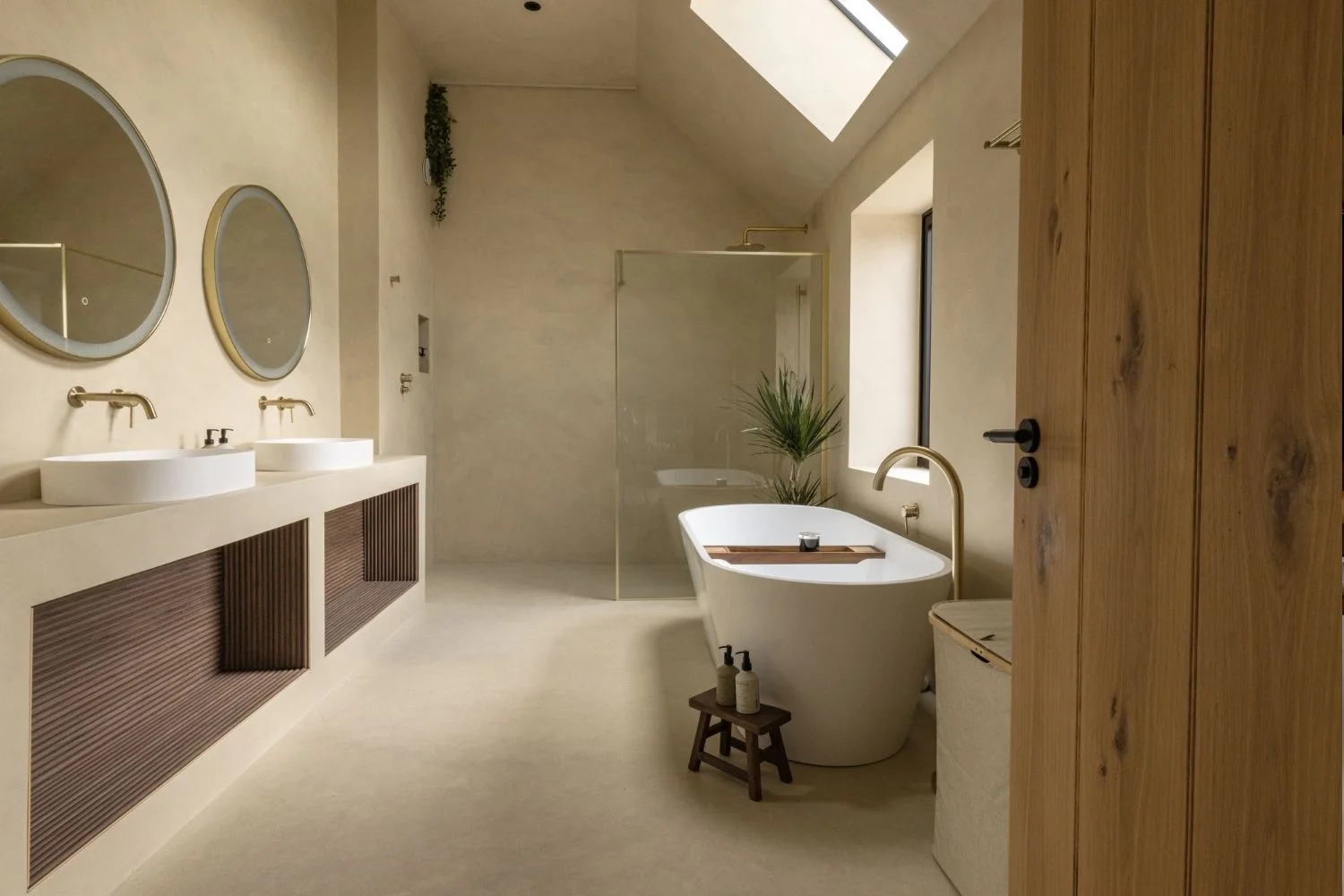
Successfully blending traditional UK architecture with modern style relies on respecting the original character while thoughtfully introducing contemporary elements, an approach that works particularly well for homeowners renovating older UK properties.
Keep The Architectural Character Intact
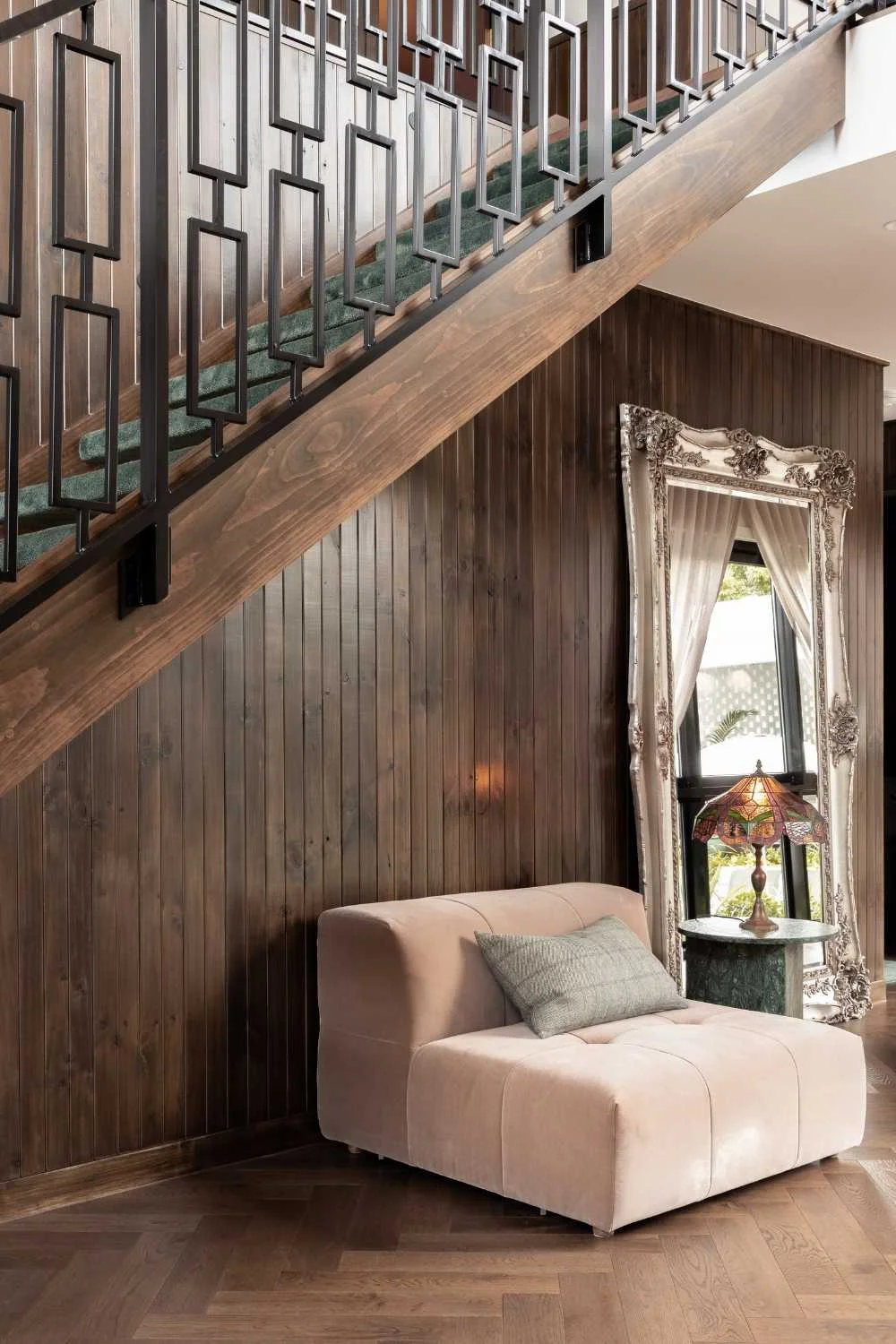
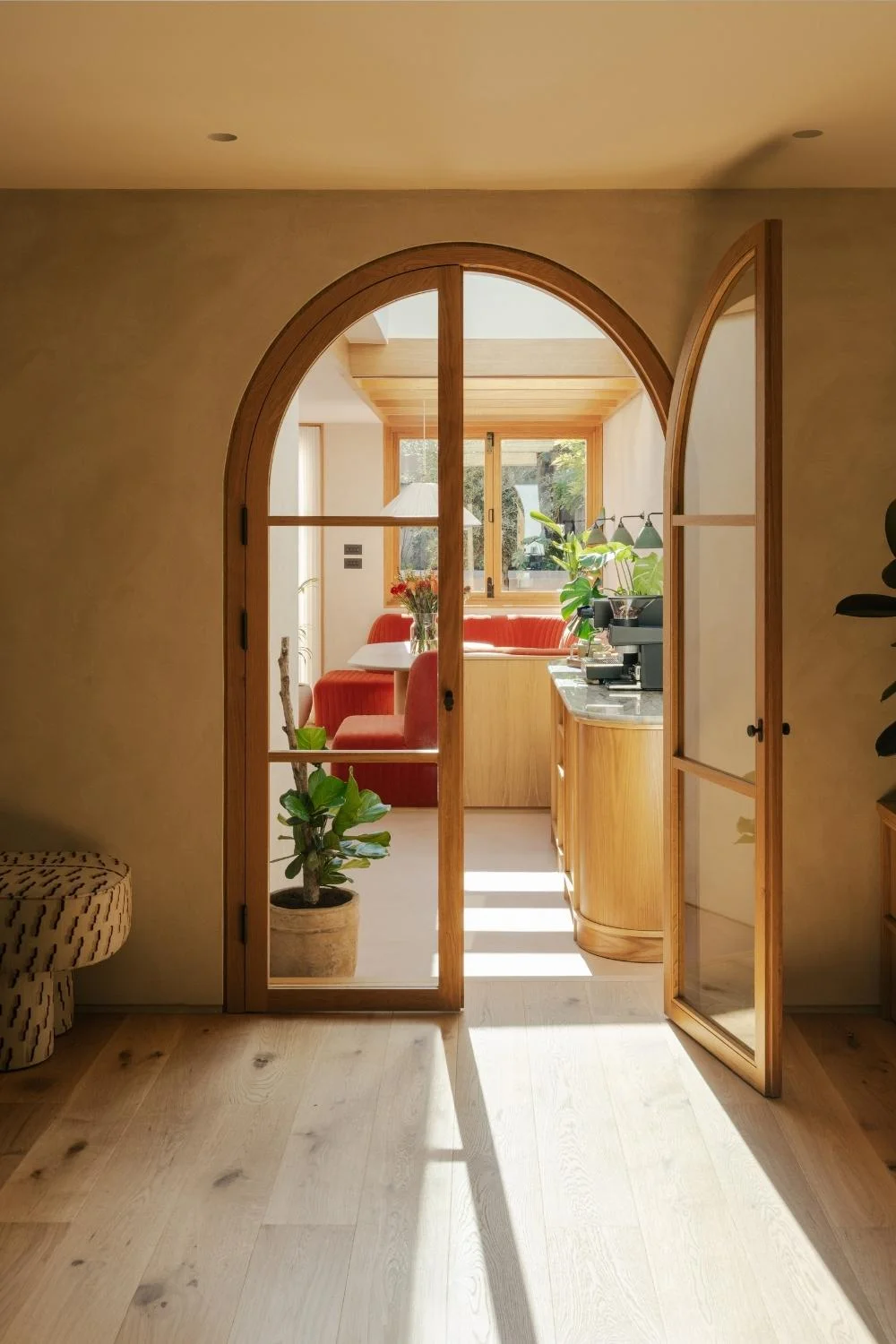
If your property is fortunate enough to retain original features, it’s important to preserve them. Elements such as cornices, brickwork, original timber, and fireplaces define the architectural character of period homes and provide a strong foundation for any renovation. Maintaining the façade and key period details not only protects the home’s heritage but also ensures modern updates feel considered and complementary rather than out of place.
Add Contemporary Materials for Contrast
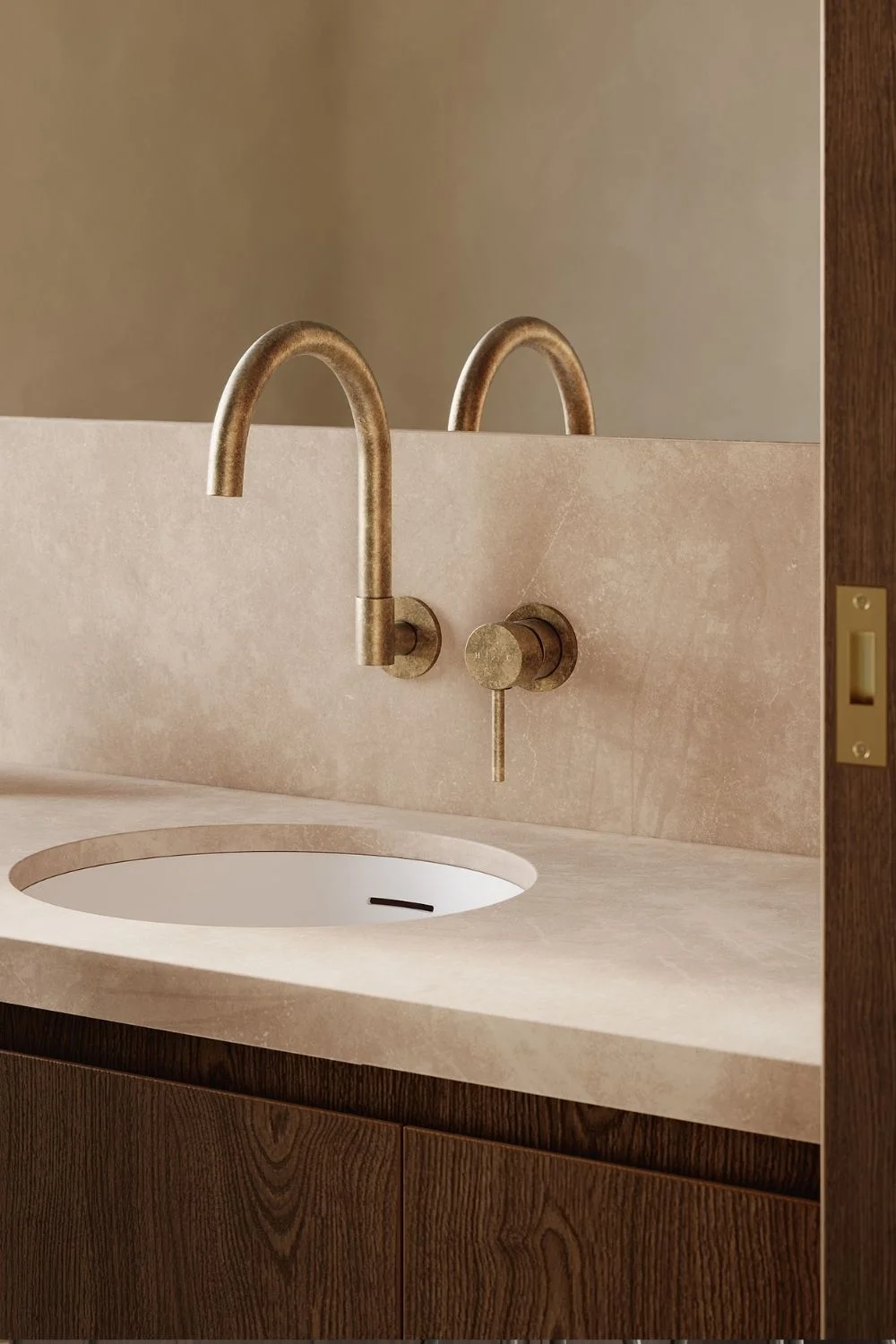
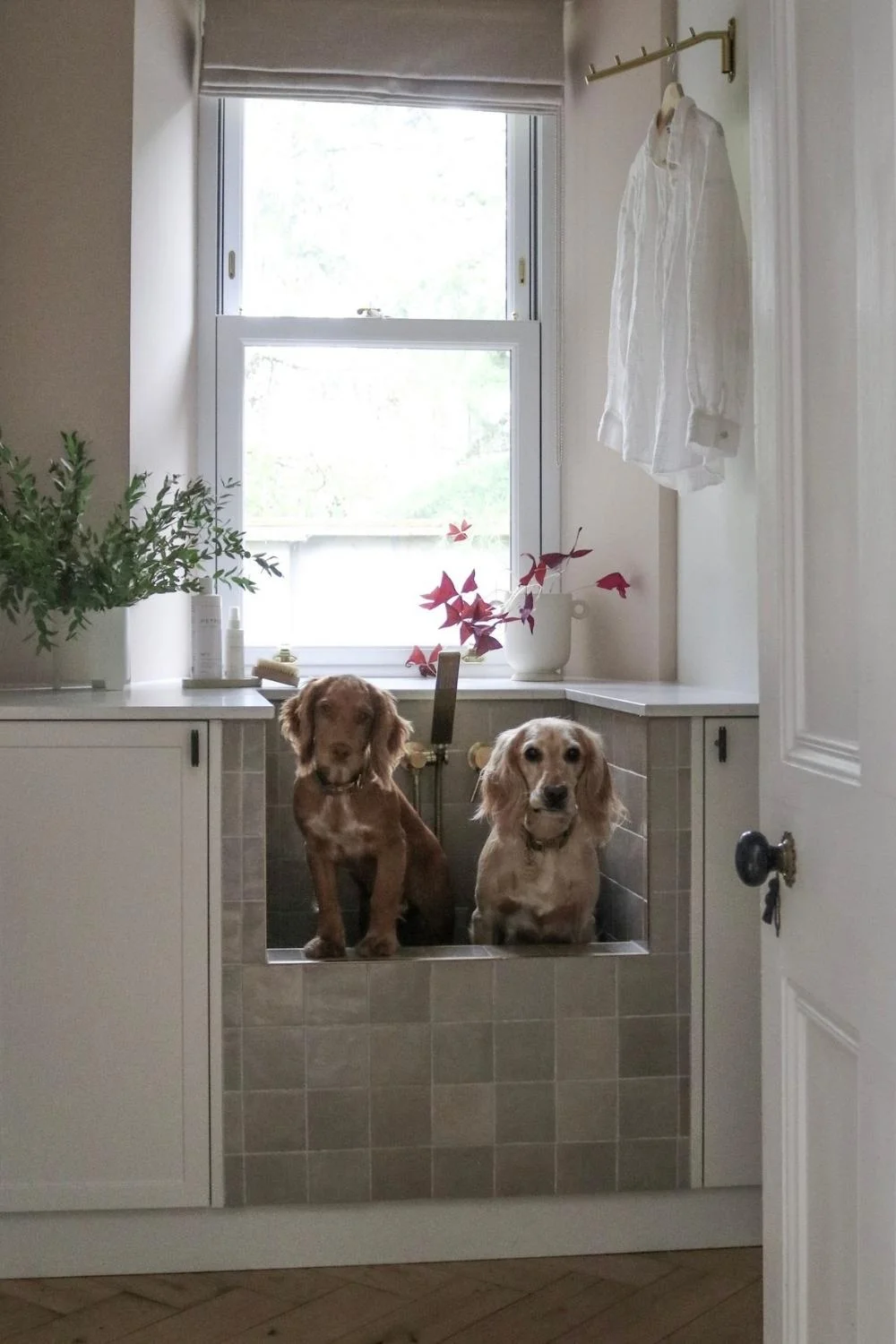
Introducing contemporary materials is one of the most effective ways to create contrast within a period home. Modern finishes such as stone surfaces, microcement, and glass partitions can add light, simplicity, and a sense of openness, helping traditional spaces feel more suited to contemporary living.
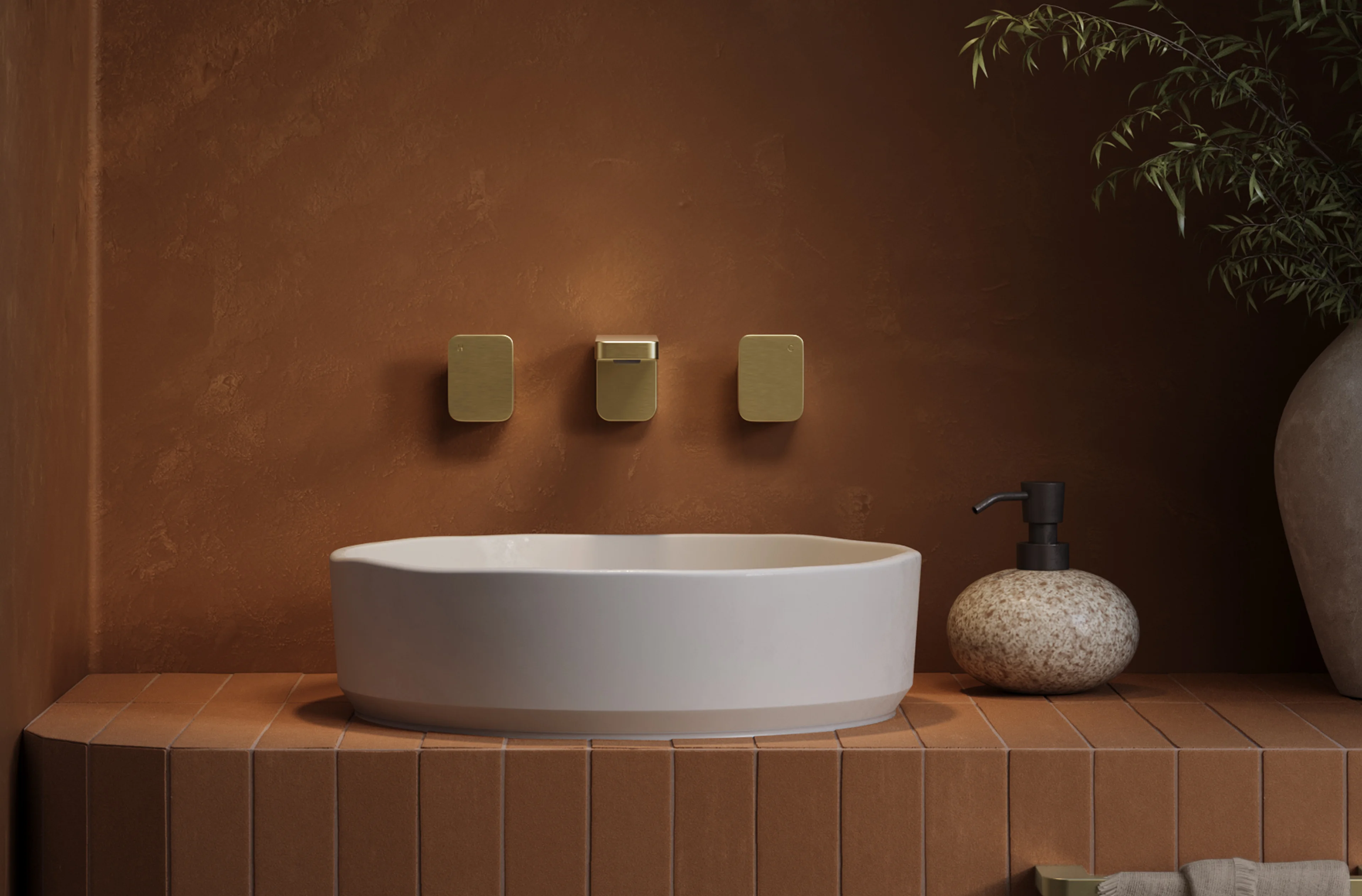
However, details matter just as much as structure. Our timeless antique brass tapware and antique brass accessories provide a sophisticated, heritage-inspired focal point that complements period features such as timber, brick, and decorative mouldings. With its unique textured finish and naturally ageing surface, it bridges traditional character with modern design. When selected thoughtfully, these elements enhance rather than compete with the home's architectural integrity.
Use a Neutral, Modern Colour Palette
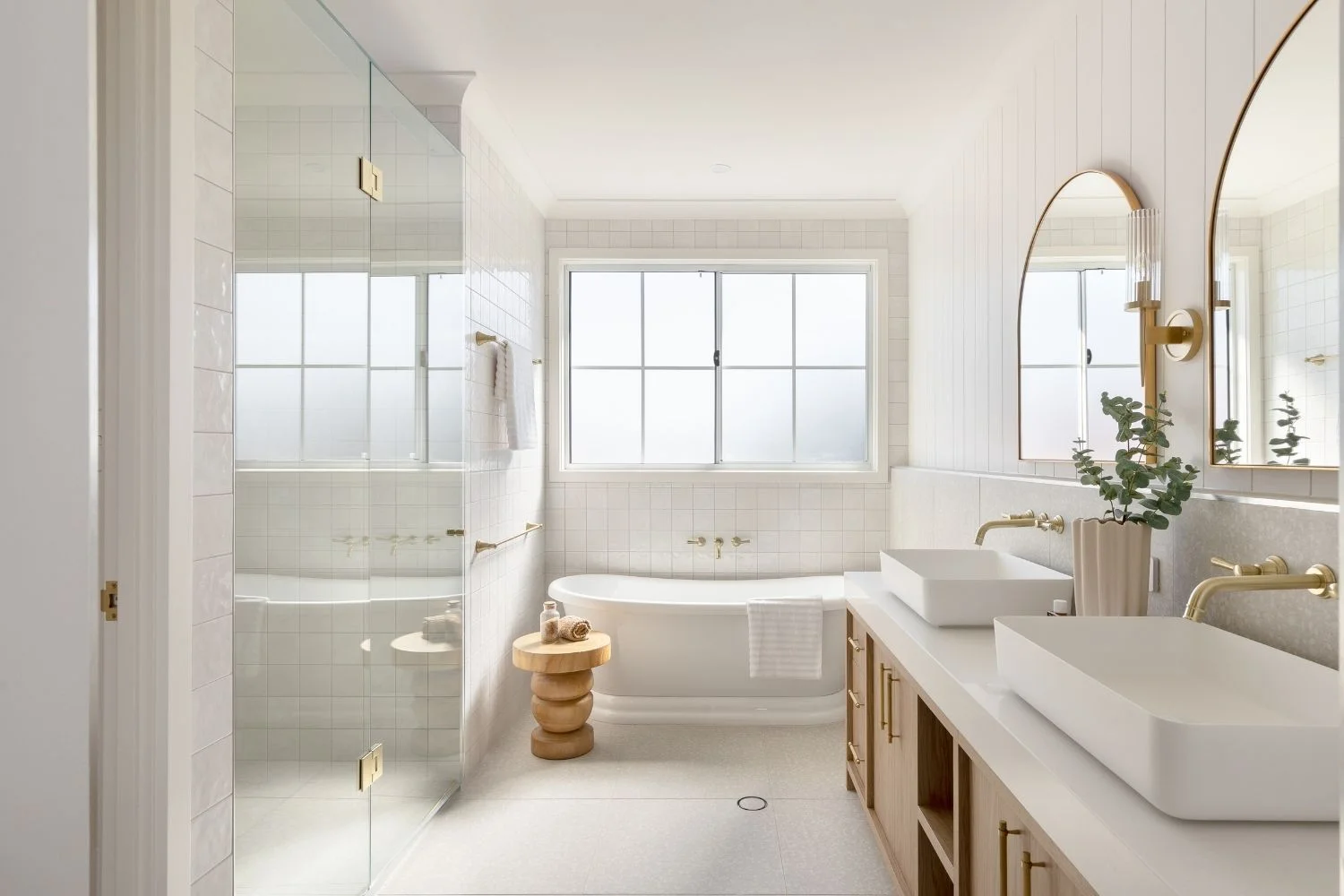
A neutral colour palette provides a calm, contemporary backdrop that works particularly well in period homes. Soft whites, taupes, warm greys, and earthy tones help create a sense of balance, allowing spaces to feel lighter and more cohesive without overwhelming original features.
Neutrals are especially effective at complementing period detailing, such as fireplaces and decorative timber. When paired with modern materials and finishes, a restrained palette bridges traditional architecture with modern design, creating interiors that feel timeless, elegant, and considered.
Balance Symmetry with Modern Simplicity
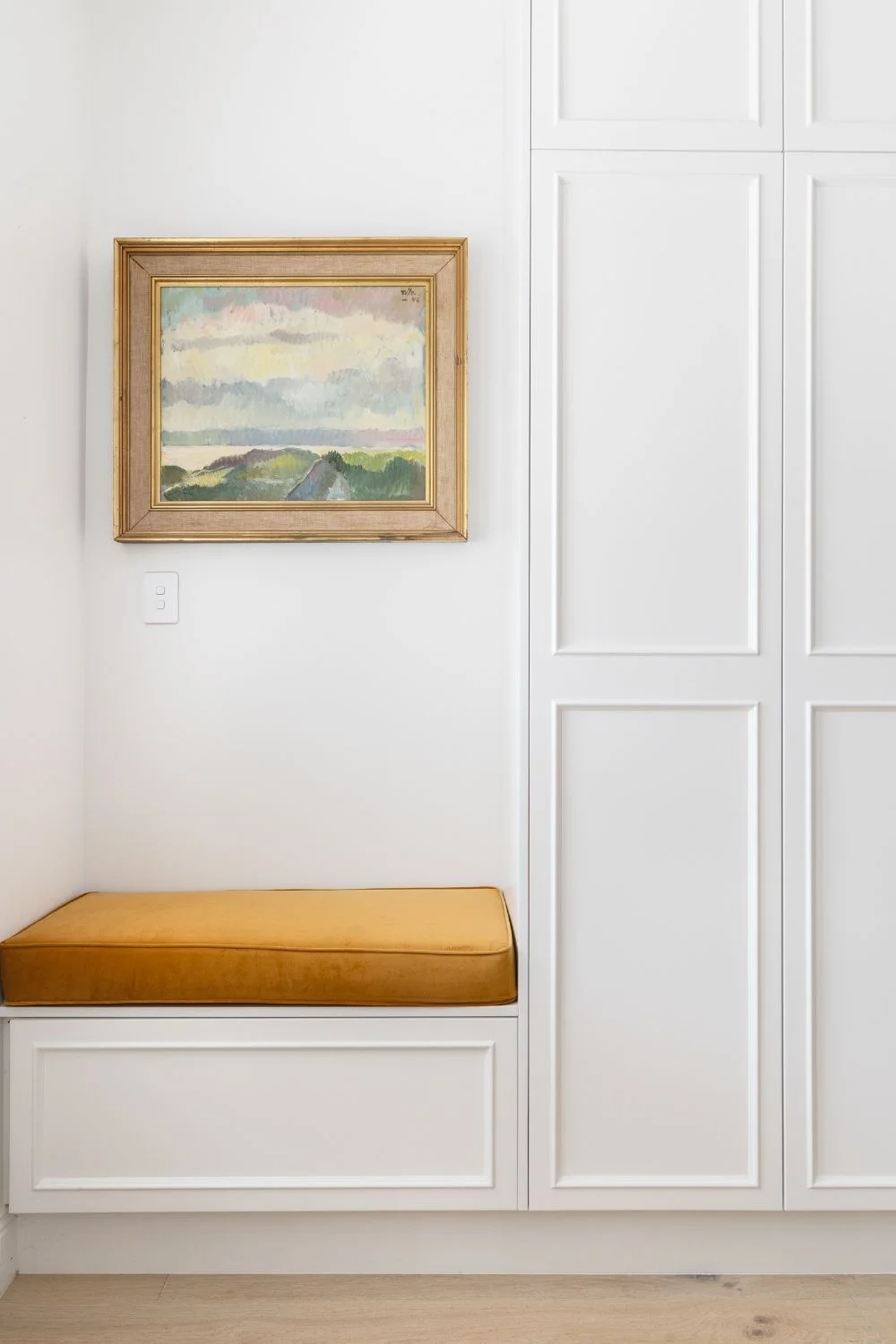
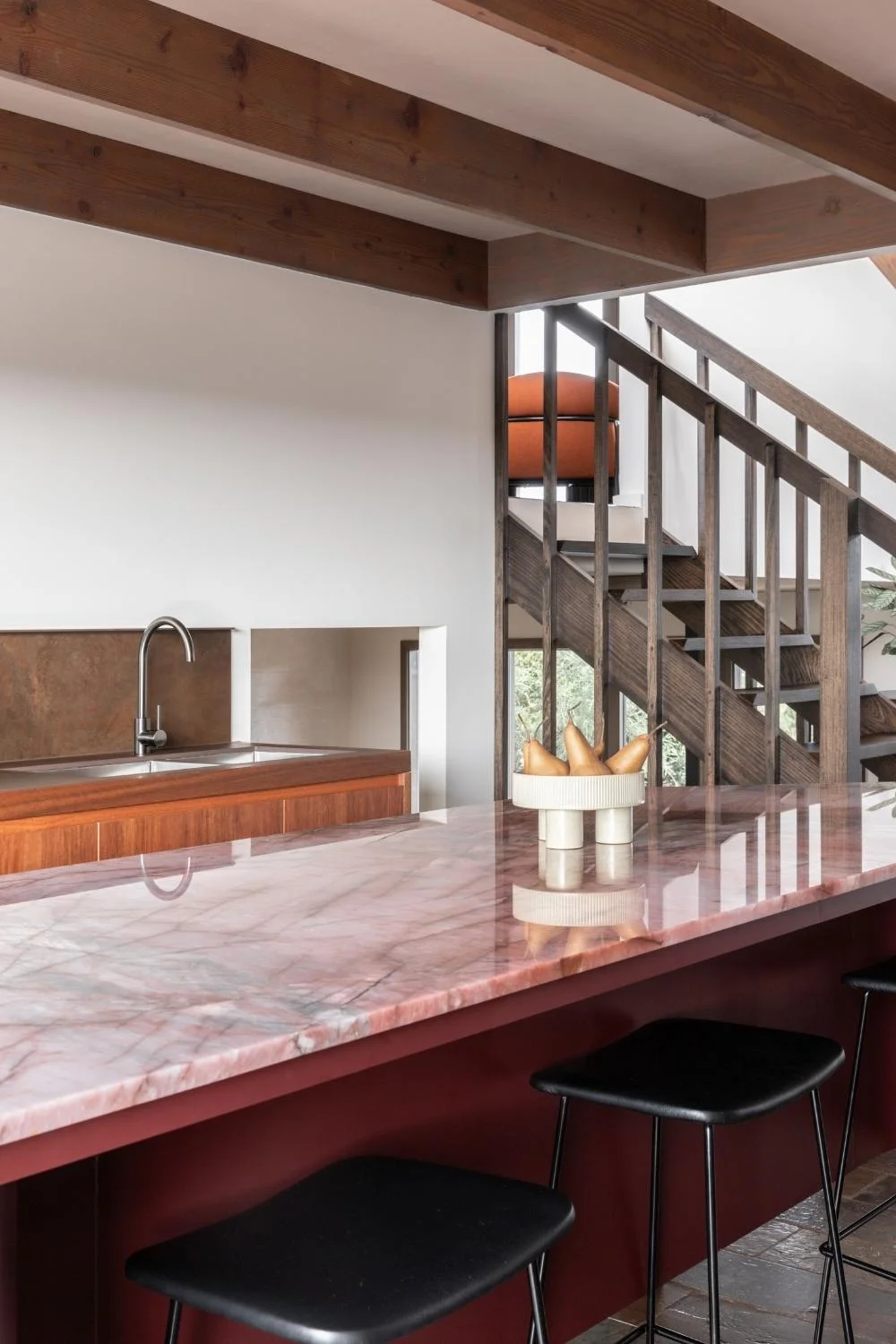
Many period homes already offer a strong sense of balance through their original architectural layouts. Georgian properties, in particular, are defined by symmetry and proportion, making them ideal settings for minimalist fixtures and streamlined fittings that enhance order without detracting from character.
In more ornate Victorian homes, where decorative detailing and layered rooms are a defining feature, introducing considered pieces such as our Kingsley Collection can lend a sophisticated, vintage edge. With subtle ornamental detailing, these fixtures complement period features while still feeling refined and contemporary, helping to bridge traditional character with modern simplicity.
Room-by-Room: How to Blend Modern Design in Traditional UK Homes
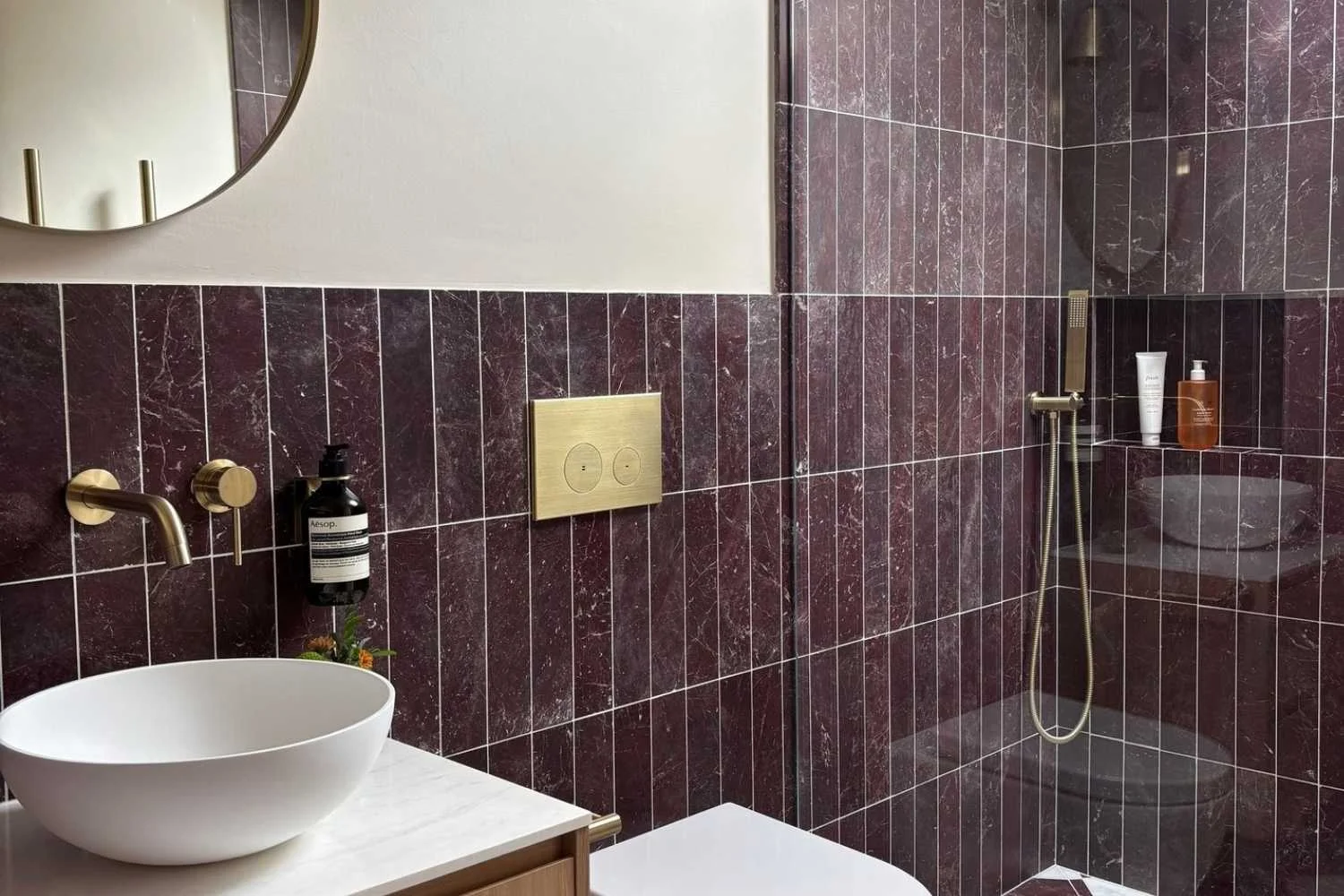
Taking a room-by-room approach can help navigate modern architecture vs traditional, allowing contemporary elements to be introduced thoughtfully while respecting the original character.
Kitchens in Period Properties
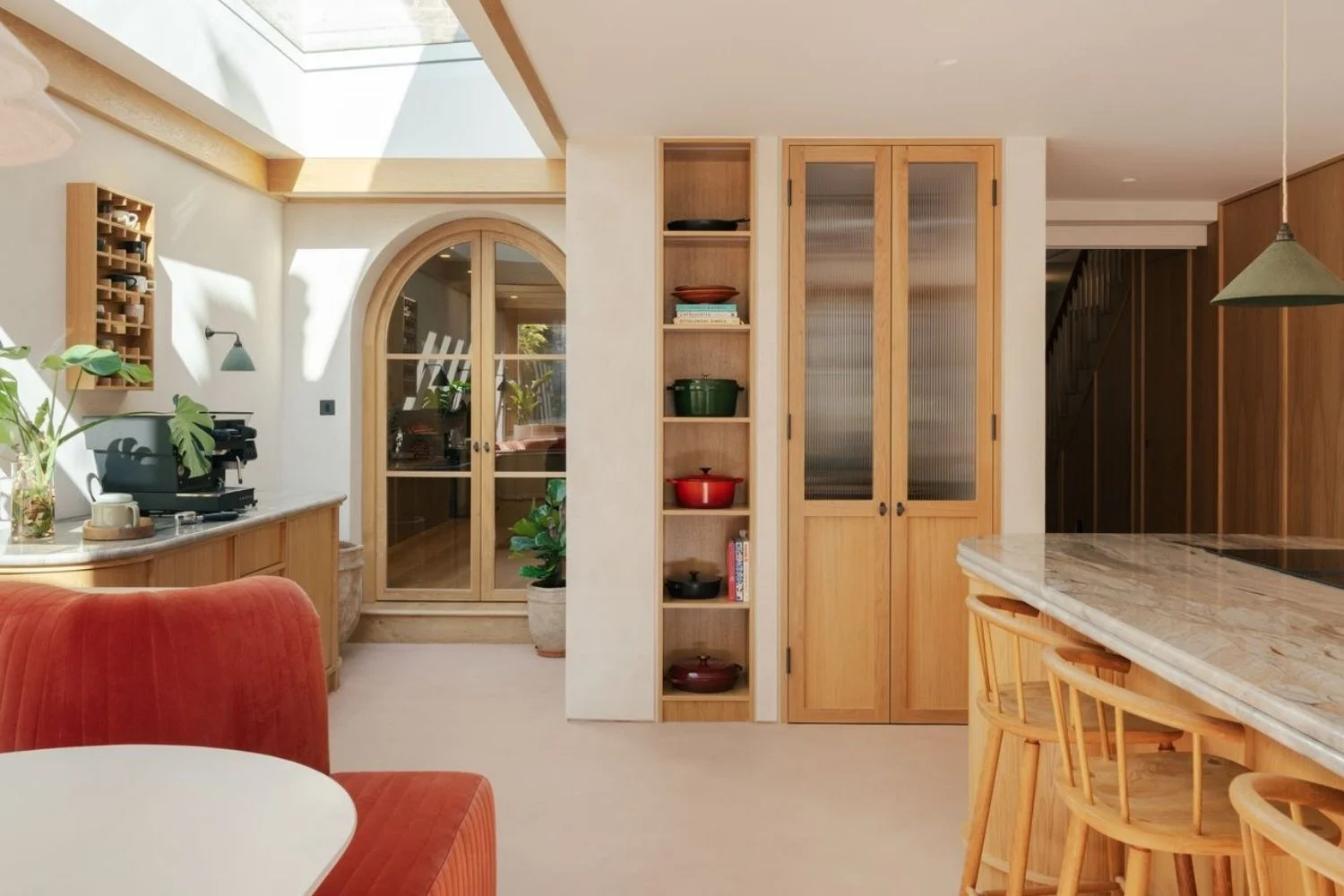
Classic cabinetry styles such as Shaker doors, in-frame cabinetry, and panelled designs work particularly well in period kitchens, reflecting the proportions and craftsmanship of traditional UK homes. Soft painted finishes, natural timber tones, and muted colours help maintain a timeless feel. Our antique brass tapware provides the perfect heritage touch. However, this doesn’t mean more traditional finishes shouldn't be considered. For instance, brushed brass tapware, brushed nickel tapware, matte black tapware, or white tapware can complement these spaces by introducing a subtle contemporary contrast.
Stone benchtops are particularly effective in achieving that fine combination of traditional and modern architecture, offering a timeless surface that complements both heritage detailing and contemporary finishes. Where possible, opening up layouts within traditional footprints can improve flow and natural light, creating kitchens that respect the home’s original structure while supporting modern living.
Heritage-Style Bathrooms
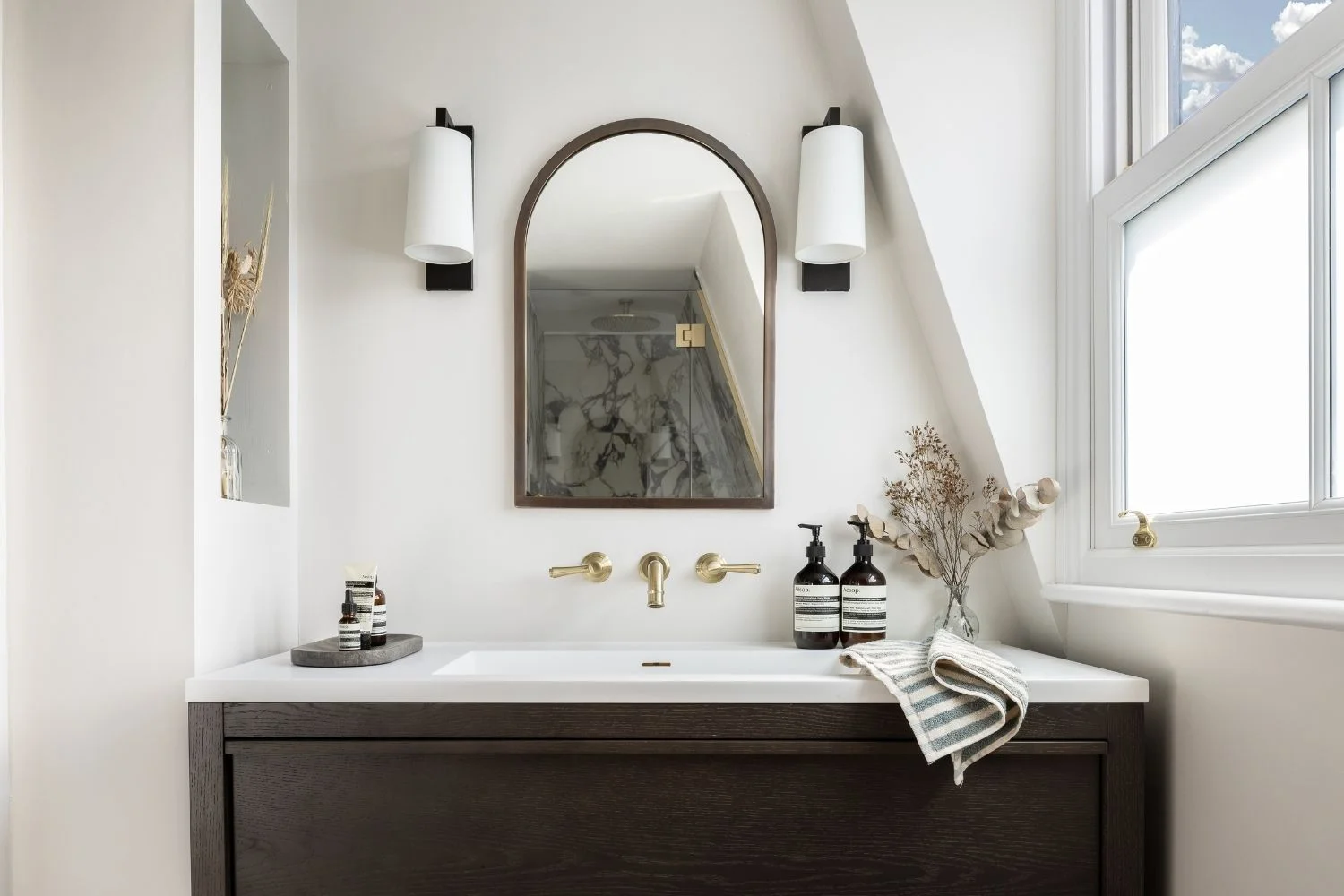
Similarly, heritage-style bathrooms strike a careful balance between preserving period character and introducing modern luxury. Traditional-inspired tapware, basins, and showers help maintain the elegance of older homes, while updated proportions and finishes ensure everyday comfort and performance.
Brushed brass accessories work particularly well in traditional settings, adding warmth and depth that complements period features without feeling overly ornate. Large format tiles provide a contemporary contrast, helping spaces feel more expansive while sitting comfortably alongside heritage elements. Where space allows, freestanding baths reinforce symmetry and visual balance, echoing the grandeur of traditional bathrooms while delivering a refined, modern experience.
Traditional Living Spaces with Modernity
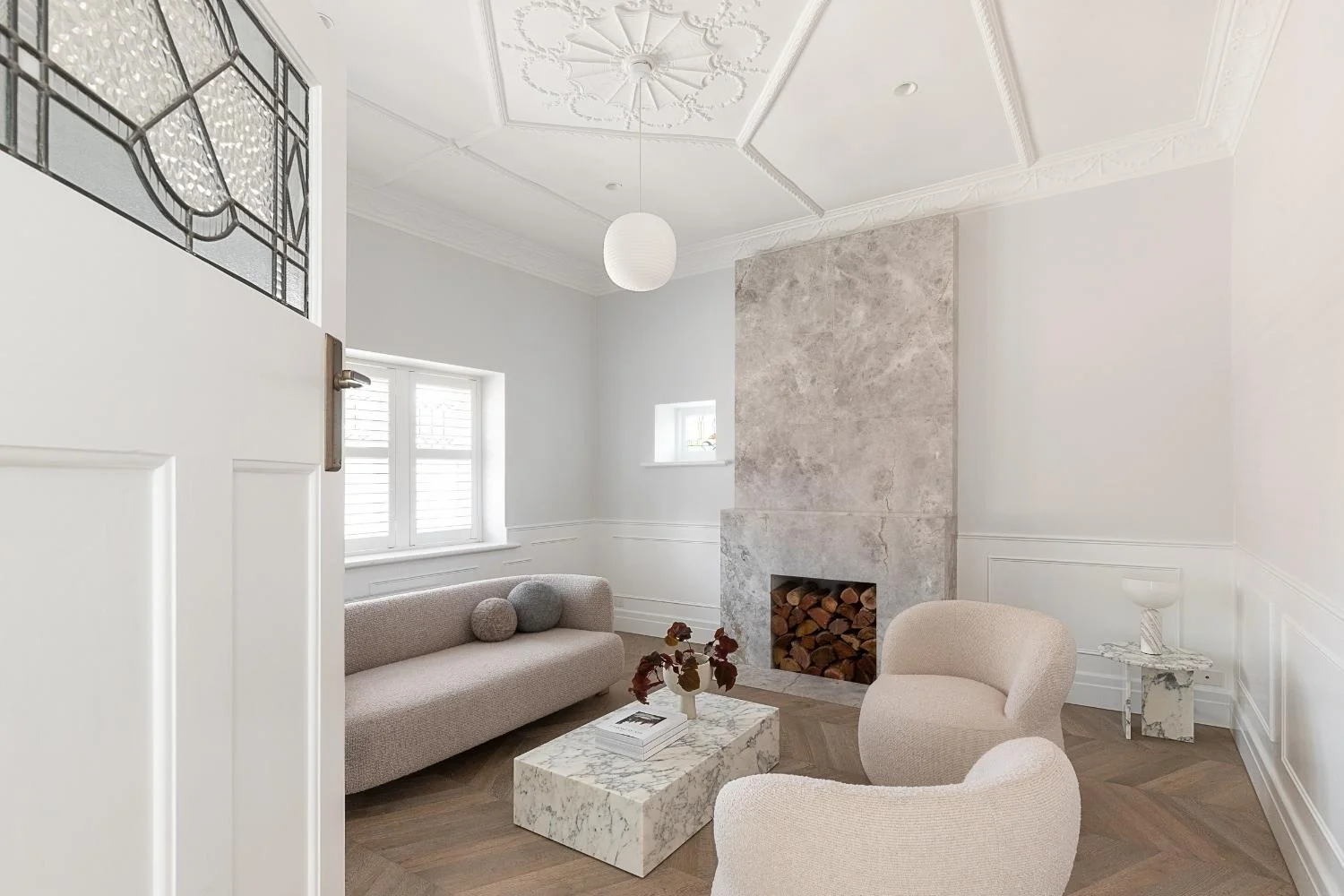
As we’ve seen, in traditional homes, modern updates work best when they enhance rather than overshadow original features. Lighting upgrades, including contemporary pendants, wall lights, and layered schemes, can modernise living spaces while improving both functionality and ambience.
Pairing contemporary furniture with heritage elements creates contrast and balance, allowing original fireplaces, cornices, and sash windows to take centre stage. Combining these traditional features with modern wall finishes, such as soft neutrals or textured plaster, helps bridge traditional vs modern architecture, resulting in living spaces that feel cohesive, considered, and ideally suited to contemporary living.
Common Mistakes to Avoid When Mixing Modern and Traditional
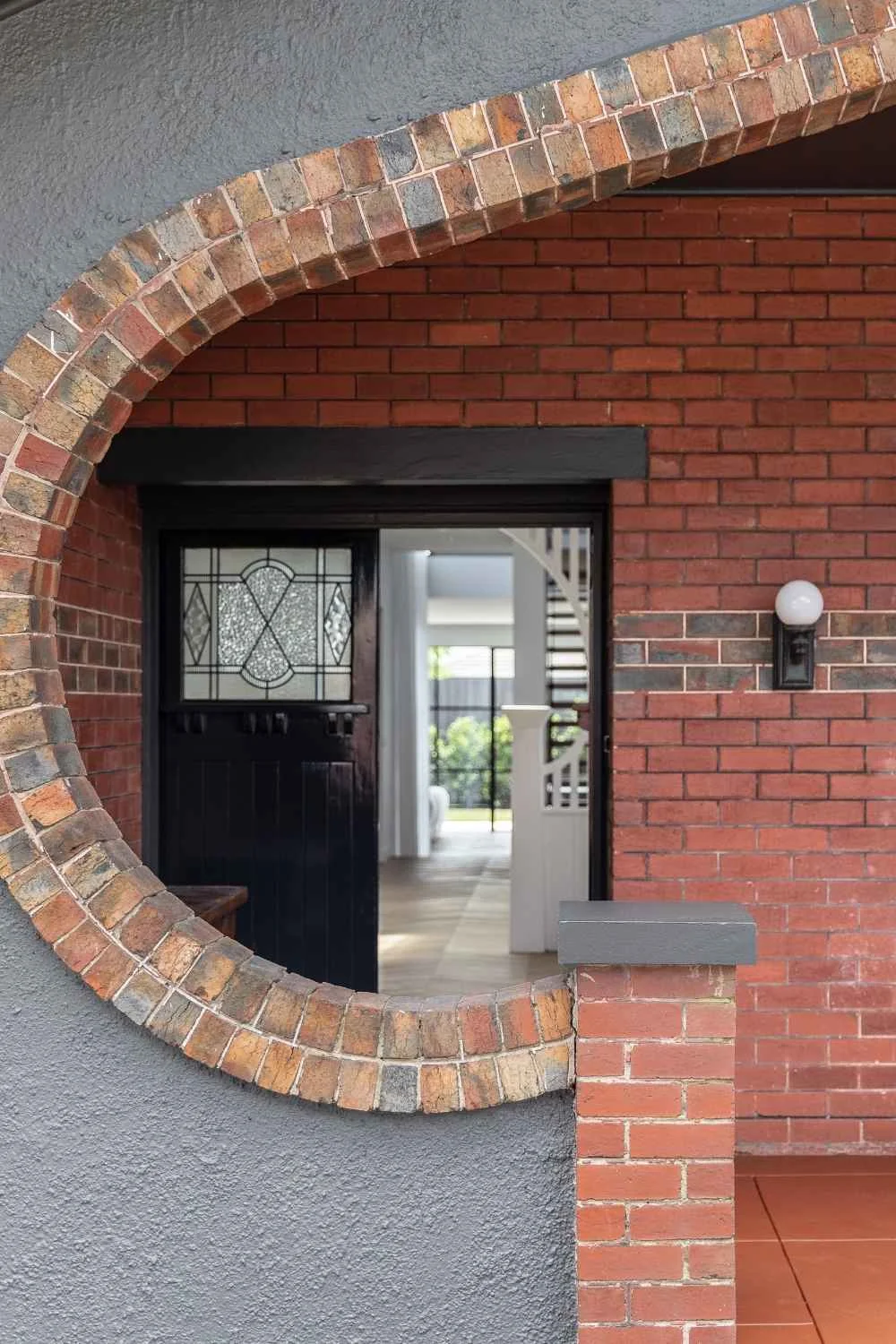
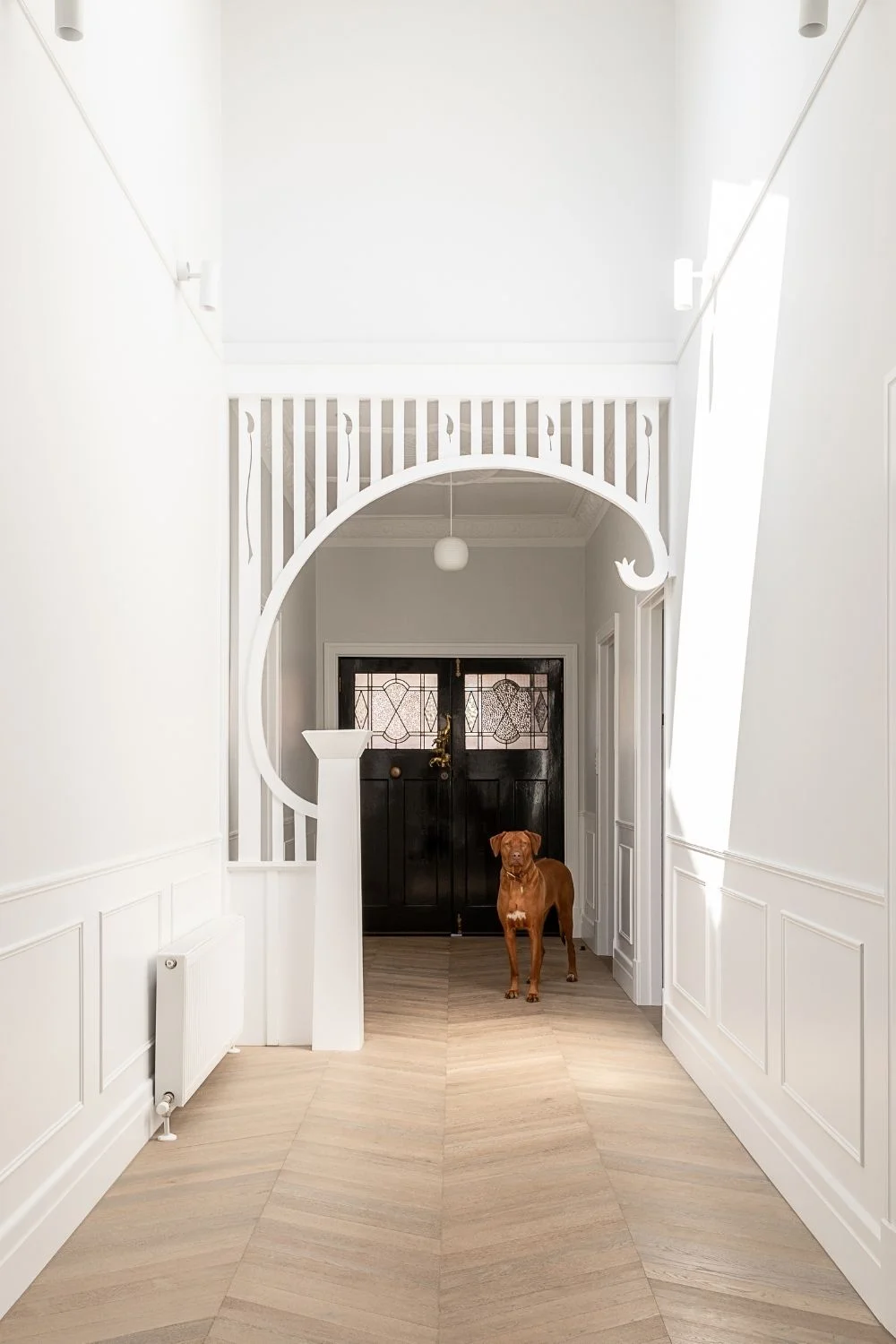
When blending modern updates with traditional homes in UK architecture, it’s easy to over-modernise and lose the heritage character that makes these properties unique. Using conflicting materials, ignoring original architectural proportions, or making poor lighting choices can disrupt the balance between old and new, leaving spaces feeling disjointed rather than harmonious.
Another common misstep is removing too many original features. Stripping out vintage fireplaces, timber detailing, or cornices in pursuit of a sleek aesthetic can erase the period charm that underpins a home’s identity. By avoiding these pitfalls, you can achieve a thoughtful blend of traditional vs modern architecture that honours the past while embracing contemporary design.
Final Tips for Achieving a Cohesive Modern Architecture vs Traditional Style
The key to a successful blend of modern architecture vs traditional design is working with the home’s existing character rather than against it. Let materials guide your modernisation by using finishes, textures, and fixtures that complement heritage features and ensure updates feel natural and considered.
Consistency across spaces is equally important. Carrying design choices, colour palettes, and materials through multiple spaces creates a cohesive flow, avoiding the jarring effect of disconnected interventions. Finally, resist the urge to rely on short-lived trends. Thoughtful, timeless decisions ensure that your home feels stylish and functional for years to come, while still celebrating its traditional heritage.
For further inspiration, read the following blogs:
2026 Bathroom Tile Inspiration: Trends, Textures & Timeless Style
How to Master Modern Farmhouse Design